
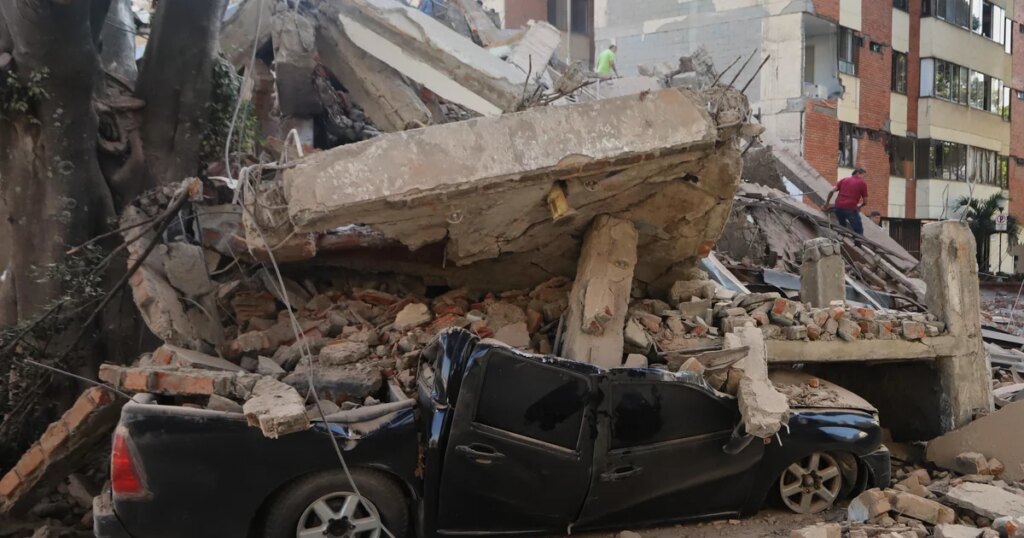
A powerful earthquake measuring 7.4 on the Richter scale hit western Colombia on August 10, 2026, resulting in at least 111 fatalities and injuring 87 others. The quake, which marks the most significant seismic event in the nation’s recorded history, originated in San José del Palmar, a rural area in Chocó province. The devastating aftereffects, including structural collapses and ensuing chaos, have left many communities grappling with loss and damage.
| Article Subheadings |
|---|
| 1) Epicenter and Initial Impact |
| 2) President’s Response and Recovery Efforts |
| 3) Quake’s Effect on Major Cities |
| 4) Response from International Community |
| 5) Historical Context and Future Precautions |
Epicenter and Initial Impact
The earthquake struck approximately 250 miles west of Colombia’s capital, Bogotá, with its epicenter located in San José del Palmar, a region severely affected by geological instability. The tremor was detected at around 8:34 AM ET, subsequently accompanied by a significant aftershock measuring 5.0 within the next hour. Reports indicate that the quake was felt across a vast expanse, affecting nearly 10.5 million people from the Andes to coastal regions.
Statistics indicate considerable human and structural losses, as at least 111 lives have been claimed, with many others left injured. Chocó Governor Nubia Carolina Córdoba-Curi stated via social media that local authorities are mobilizing emergency responses in the wake of this catastrophe, including search and rescue missions. Considerable panic ensued, with citizens immediately evacuating larger structures, fearing aftershocks and potential collapses.
President’s Response and Recovery Efforts
In his first public address following the disaster, President Abelardo de la Espriella expressed his condolences and assured the population of Colombia that government resources would be allocated to tackle immediate needs. “You are not alone,” he stated in a video message, emphasizing his commitment to aiding those affected. His administration has promised a robust response, intending to mobilize National Disaster Management teams to provide medical assistance, shelter, and food supplies.
Local officials are also assessing the damage in their respective regions. In the urban areas of Pereira and Cali, significant infrastructure damage has been reported. Emergency shelters are being established, and citizens are being urged to remain vigilant as aftershocks continue. The initial focus of relief efforts will include triaging the needs of the injured and restoring power to impacted areas.
Quake’s Effect on Major Cities
The earthquake has had a particularly devastating impact on cities such as Cali, Pereira, and Manizales, all of which have reported extensive structural damage, including collapsed buildings and disrupted community services. In Cali, Mayor Alejandro Eder noted that at least 30 structures were fully collapsed, urging residents to remain calm and report any emergencies to local authorities.
As panic gripped Pereira, shocking videos from the local airport depicted travelers evacuating as debris fell from ceilings. Mayor Mauricio Salazar reported at least 18 fatalities in Pereira, with many individuals still trapped under rubble. First responders are working tirelessly to locate survivors amid the chaos, facing a race against time as the structural integrity of buildings remains compromised.
Reports of destruction have spread to Manizales, where at least 17 buildings are confirmed collapsed, and the neo-Gothic cathedral’s tower suffered significant damage. Additionally, flights have been suspended across multiple airports in the region as authorities work to assess and manage the crisis.
Response from International Community
In response to the catastrophic event, U.S. Secretary of State Marco Rubio announced that the American government is prepared to assist Colombia in recovery efforts. Humanitarian organizations based in South Florida are organizing aid packages to assist those affected by the earthquake, focusing on immediate needs like food and medical supplies.
Efforts to stage successful rescue missions are being coordinated closely with local organizations and international partners. Discussions are underway to deploy additional resources as the full extent of the disaster becomes clearer. Public appeals for donations and assistance are being made to ensure that resources are efficiently distributed among those in dire need.
Historical Context and Future Precautions
This earthquake stands as the largest seismic event recorded in Colombia since records began in the early 1920s. The country frequently experiences seismic activities due to its strategic position on the “Ring of Fire,” a region characterized by high geological instability. The coffee-producing region, which has faced previous catastrophic events, including a devastating earthquake in 1999 that killed over 1,200 people, has seen its residential structures challenged once more.
In light of the recent calamity and the series of quakes affecting neighboring Venezuela, Colombian authorities are prompted to reassess their disaster preparedness programs. As the loss of life and property continues to rise, the country will inevitably need to invest further in building infrastructure that can withstand such natural disasters. Preventative measures, including public education on earthquake preparedness and stricter building regulations, will be crucial going forward.
| No. | Key Points |
|---|---|
| 1 | A 7.4 magnitude earthquake struck western Colombia, primarily affecting Chocó province. |
| 2 | At least 111 fatalities reported, along with numerous injuries and significant structural damage. |
| 3 | Colombian President Abelardo de la Espriella has pledged government support for recovery efforts. |
| 4 | Major cities like Cali and Pereira reported widespread destruction of buildings and chaos at evacuation sites. |
| 5 | International aid is mobilizing, and Colombians are urged to be prepared for aftershocks. |
Summary
The recent earthquake in Colombia has inflicted profound human and structural tolls, emphasizing the nation’s vulnerability to seismic events. With coordinated national and international support mobilizing in response to the tragedy, the nation once again confronts the imperative to enhance its preparedness and resilience against natural disasters. The immediate focus remains on recovery, humanitarian assistance, and safeguarding the lives of those impacted.
Frequently Asked Questions
Question: How can citizens help those affected by the earthquake?
Citizens are encouraged to donate to reputable humanitarian organizations working on the ground and offer support in local community initiatives aimed at providing immediate aid, including food, shelter, and medical services.
Question: What safety precautions should individuals take during earthquakes?
It is crucial to follow safety guidelines such as taking cover under sturdy furniture, staying indoors away from windows, and having an emergency preparedness kit ready to ensure safety during seismic events.
Question: What is being done to assess the damage caused by the earthquake?
Local authorities, in coordination with national disaster management agencies, are conducting damage assessments and mobilizing rescue teams to locate survivors and provide immediate relief to affected areas.