
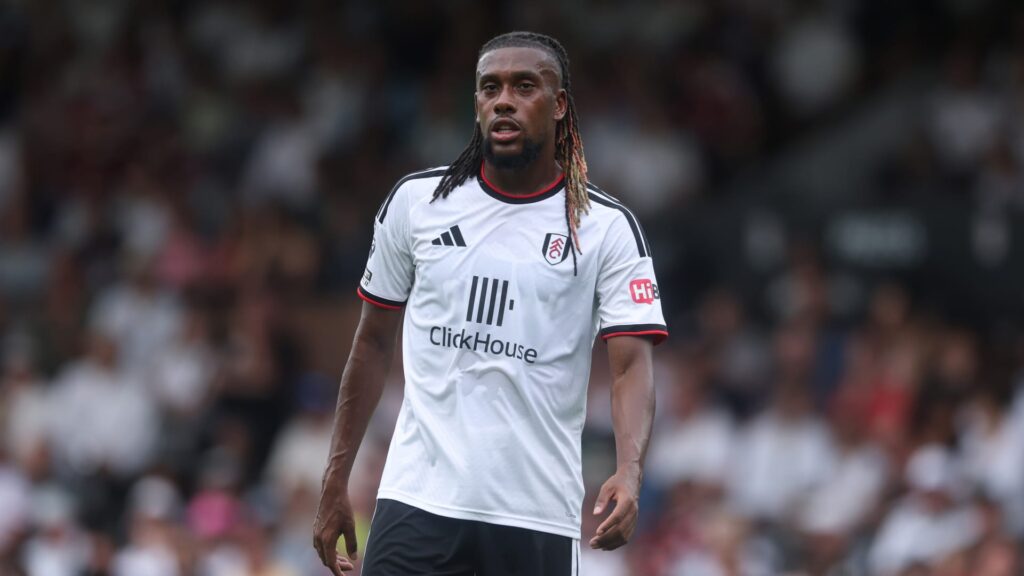
In a significant move to reshape the landscape of sports sponsorship, Premier League clubs have initiated the new season without gambling companies on the front of their matchday shirts. This league-wide restriction has led eight of the league’s 20 clubs to seek new front-of-shirt partners, thereby making strategic advertising positions available on a global scale. Among the clubs, Fulham Football Club has set a precedent by partnering with ClickHouse, a data infrastructure firm, reflecting a broader trend as clubs adapt to changing sponsorship landscapes.
| Article Subheadings |
|---|
| 1) Premier League’s New Sponsorship Landscape |
| 2) Shift from Gambling to Data Solutions |
| 3) Alternative Partnerships and New Opportunities |
| 4) Bookmakers Adapt to Restrictions |
| 5) Future of Betting Brands in Football |
Premier League’s New Sponsorship Landscape
The Premier League has embarked on a new phase, commencing the 2026/27 season without gambling logos prominently displayed on matchday shirts. This change signifies a growing trend among sports leagues worldwide to limit gambling advertisements, which have increasingly drawn criticism over potential impacts on public health and youth. The shift was implemented by league officials, who aimed to set a precedent for responsible advertising in sports.
As a result of this decision, around eight clubs have been forced to seek alternative sponsors for front-of-shirt placements. This move opens up valuable advertising slots that cater to companies looking to increase their visibility on one of the most popular stages in global sports. The timing of this change places a considerable number of lucrative sponsorship opportunities on the table all at once, resulting in a unique moment for both clubs and potential brands.
Shift from Gambling to Data Solutions
One notable example of this shift can be seen at Fulham Football Club, which has transitioned from partnering with the online betting company SBOTOP to a new sponsor, ClickHouse. This Silicon Valley data infrastructure company has seized the moment, perceiving an opportunity to align with a prestigious football club as a means of increasing their brand visibility.
“There’s a unique opportunity to become a sponsor of such an institution, and we just couldn’t pass it up,”
stated Tanya Bragin, the vice president of product and marketing at ClickHouse. This partnership not only enhances ClickHouse’s visibility on a global scale but also reflects a shift in the type of companies engaging with football sponsorships. Instead of traditional betting companies, firms from technology and data sectors are now making a big push into the sports sponsorship arena.
Alternative Partnerships and New Opportunities
The influx of sponsorship opportunities has not only allowed companies like ClickHouse to enter the fray but has also provided considerable leverage to potential partners in negotiations. As Tanya Bragin noted, “If there’s more inventory coming on the market at the same time, it’s a buyer’s market.” This suggests that sponsorship deals are now more competitive, which may lead to clubs securing better financial terms than before.
Despite this newfound leverage, the demand for sponsorship in the Premier League remains robust, with many firms willing to make significant investments to secure visibility in a league watched by millions. Analysts suggest that firms looking for sponsorship deals may still need to be prepared for costs that reflect the enduring prestige of the Premier League. The allure of associating a brand with such a well-regarded sporting event continues to hold significant value, justifying the high costs associated with sponsorship.
Bookmakers Adapt to Restrictions
The end of front-of-shirt gambling sponsorships doesn’t necessarily signify a full retreat for bookmakers in football. According to marketing manager at Fitzdares, Henry Beesley, the industry has anticipated these changes for some time and is ready to adapt strategy rather than exit the market completely. The options for bookmakers remain varied, as they can still capitalize on sleeve and training kit sponsorships, which are not subject to the new restrictions. This means that while their logos will not appear on the front of players’ shirts, their presence in football can still be maintained through other avenues.
“It’s about being a little bit more strategic,”
“We try and ask ourselves, ‘How do we keep telling our brand story through our sponsorships?’ And that’s ultimately got to be the focus,”
said Beesley. This statement underscores a shift in focus for bookmakers as they adapt to new regulations while continuing to seek out relationship-building opportunities within the sport.
Future of Betting Brands in Football
Despite the restrictions on front-of-shirt sponsorship, betting companies continue to find ways to remain involved in the sport. The question remains as to how these rules will affect overall visibility of gambling advertising and whether player sponsorships will take on new significance. Clubs such as Everton and Brentford have already made the transition from betting partners to firms in other sectors, indicating a long-term trend away from gambling sponsorships occupying prime advertising spots in football.
As the landscape continues to evolve, industry experts speculate that bookmakers will increasingly focus on maximizing the value of alternative sponsorship formats. This shift could contribute to a transformation in how football engages with betting brands, ultimately leading to a more responsible relationship between sports and gambling.
| No. | Key Points |
|---|---|
| 1 | The Premier League has banned gambling companies from the front of matchday shirts. |
| 2 | Eight clubs are affected, leading to a search for new sponsors. |
| 3 | ClickHouse, a data services firm, signed with Fulham Football Club as a new sponsor. |
| 4 | Bookmakers are adapting strategies to maintain their presence in the sport. |
| 5 | The restrictions may lead to increased value in alternative sponsorship forms. |
Summary
The Premier League’s move to exclude gambling sponsors from the front of matchday shirts marks a significant development in sports marketing and sponsorship strategies. This change not only reflects a growing awareness of responsible gambling advertising practices but also opens new avenues for potential sponsors from different sectors, including technology and data companies. As clubs navigate this transition, the future of sports sponsorship appears poised for growth and diversification, keeping in mind the need for strategic partnerships that resonate with fans and stakeholders alike.
Frequently Asked Questions
Question: What impact does the ban on gambling sponsors have on Premier League clubs?
The ban forces clubs to seek alternative sponsorships, leading to a shift towards partnerships with non-gambling companies, which may provide new revenue opportunities.
Question: How are bookmakers responding to these restrictions?
Bookmakers are adapting their sponsorship strategies to focus on alternative advertising avenues, such as sleeve and training kit sponsorships, rather than withdrawing from football altogether.
Question: Are betting companies still allowed to sponsor clubs in any capacity?
Yes, betting companies can still sponsor sleeves and training kits, meaning their presence in football continues, albeit in a modified form.