
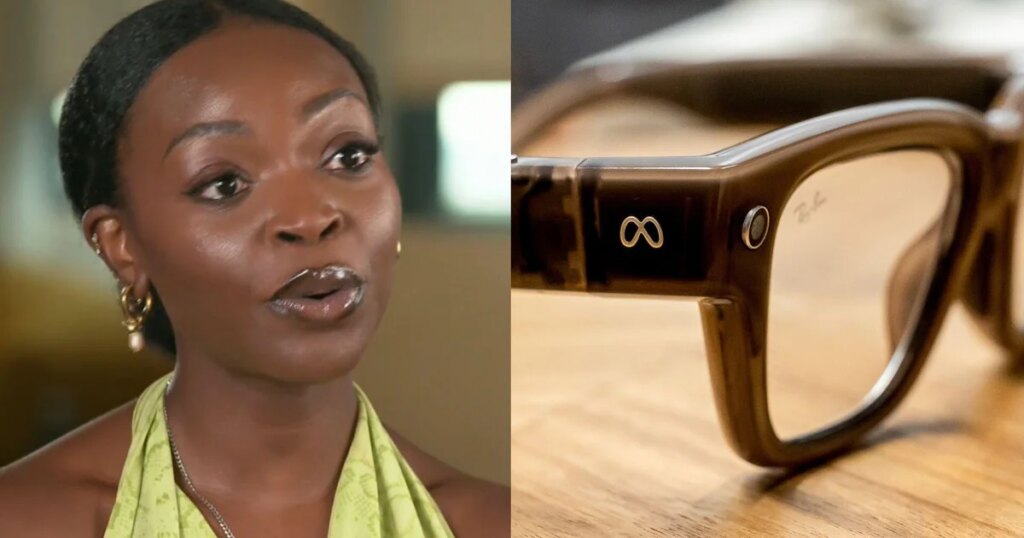
In a concerning incident involving the use of wearable AI technology, a woman learned she had been secretly recorded by a man using Meta’s AI-powered smart glasses. The video, which went viral on social media, highlighted an alarming trend where individuals are filmed without consent, particularly in prank-style videos. The victim, Toluwa Omitowoju, expressed her distress upon discovering the footage and emphasized the broader implications of such technology on personal privacy.
| Article Subheadings |
|---|
| 1) The Viral Incident of Secret Recording |
| 2) Response from Meta and Privacy Concerns |
| 3) Legal Implications Surrounding Consent |
| 4) Security Features of Ray-Ban Meta Glasses |
| 5) Public Awareness and Future Implications |
The Viral Incident of Secret Recording
A troubling incident recently came to light when Toluwa Omitowoju discovered she had been secretly filmed while engaging in her daily life. After her friends and acquaintances sent her a video circulating on social media, she realized that a man had recorded her without her knowledge or permission. The video quickly gained attention, accumulating over 200,000 views across various platforms; this incident underscores a growing trend where content creators exploit wearable AI technology to capture unwitting individuals in prank pickup line videos.
Omitowoju recounted her shock and displeasure upon seeing herself in the video. She recalled that there was no prior consent requested and that she was entirely unaware of the recording taking place. “I had no say,” she stated, highlighting the sheer lack of agency that victims face in these scenarios. Omitowoju indicated that many other women have reached out to her with similar experiences, amplifying the ongoing concerns regarding privacy violations associated with emerging technologies.
Response from Meta and Privacy Concerns
In light of these incidents, executives at Meta, the social media giant that owns Instagram, have responded to growing public concern. Adam Mosseri, the head of Instagram, announced that the platform is actively working to reduce the prevalence of content that harasses individuals or infringes on their privacy. In July, Mosseri stated, “If you’re posting content that is taking advantage of people and harassing them, like a lot of these pickup line kind of videos that we’ve heard of and seen recently, then we’re going to take the content down.”
This pledge to curb unauthorized postings reflects an ongoing challenge for platforms that rely on user-generated content. Meta has previously faced backlash regarding privacy concerns related to its products. A noteworthy investigation led by Texas Attorney General Ken Paxton in May examined potentially intrusive features of Ray-Ban Meta glasses, suggesting that they might violate personal privacy by enabling the covert filming of individuals, even in private environments like bathrooms.
Legal Implications Surrounding Consent
A significant aspect of the discourse surrounding wearable AI devices is the varying laws regarding consent for recording. In many U.S. states, the law only requires one party’s consent to record a conversation or interaction. This means that if the person recording is aware of the activity and the target is not, the recording could be deemed legal. This legal framework has raised alarms among privacy advocates, who argue that wearable technology could exacerbate the risks of non-consensual recording.
Omitowoju emphasized the potential threats posed by such gadgets, stating, “If someone sees a phone in front of their face, they have the opportunity to step away, to approach someone and say, ‘Hey, I don’t want you to record.’ With these smart glasses and the smart technology, you’re taking away the right of refusal.” Her comments resonate with the growing belief that technology is outpacing societal norms surrounding privacy and consent.
Security Features of Ray-Ban Meta Glasses
Amid these controversies, Meta claims that the Ray-Ban Meta glasses are equipped with privacy and safety features intended to safeguard against unauthorized recording. According to a statement from the company, an LED light designed to illuminate when the glasses are actively recording serves as a warning to those nearby. Moreover, Meta informed that the device incorporates software that should prevent recording if the light is covered or disabled.
However, a hands-on test conducted by a reporter revealed that the disabling mechanism for the LED light did not function correctly after recording had already commenced. Although Meta maintains that their tamper detection is supposed to issue a prompt advising the wearer to remove any obstruction before pressing record, such technical flaws raise further concerns about the effectiveness of these measures in practical situations.
Public Awareness and Future Implications
The incident experienced by Omitowoju and the ensuing reactions highlight the essential need for public awareness surrounding the use of life recording technologies. As these devices become increasingly integrated into society, it is crucial for individuals to recognize the potential risks associated with unwittingly being recorded. Enhanced awareness could empower people to take proactive measures, like engaging with wearers regarding the nature of their devices before interactions occur.
Looking ahead, it is imperative for regulatory bodies and technology companies to work collaboratively to establish clearer guidelines addressing privacy issues precipitated by wearable technology. As society continues to embrace these innovations, an ongoing dialogue regarding consent and privacy will be vital in shaping policies that protect individual rights in the digital age.
| No. | Key Points |
|---|---|
| 1 | A woman was secretly filmed without her consent using Meta’s AI-powered smart glasses. |
| 2 | The incident highlights growing concerns over privacy violations associated with wearable technology. |
| 3 | Meta’s head announced measures to combat non-consensual recording and privacy invasions on their platforms. |
| 4 | Laws on consent for recording interactions vary, often requiring only one party’s approval. |
| 5 | Technical challenges in privacy features of wearable devices raise concerns about their effectiveness. |
Summary
The incident involving Toluwa Omitowoju serves as a stark reminder of the implications posed by advanced wearable technologies. As these devices proliferate in daily life, issues surrounding privacy and consent demand urgent attention. The reactions from Meta and the ongoing legal discussions around these technologies indicate a crucial need for regulations that effectively protect individuals’ rights in the face of rapidly evolving technology.
Frequently Asked Questions
Question: What are Ray-Ban Meta glasses?
Ray-Ban Meta glasses are AI-powered smart glasses designed to integrate technology into everyday eyewear, allowing users to have hands-free recording capabilities and connectivity.
Question: What legal protections exist for individuals being recorded without consent?
Laws vary by state, but many only require one-party consent, meaning the person recording does not necessarily need permission from those being recorded.
Question: How can individuals protect their privacy in public spaces?
Awareness is key; individuals can proactively ask if they are being recorded or express their desire not to be filmed, especially when interacting with users of wearable technology.