
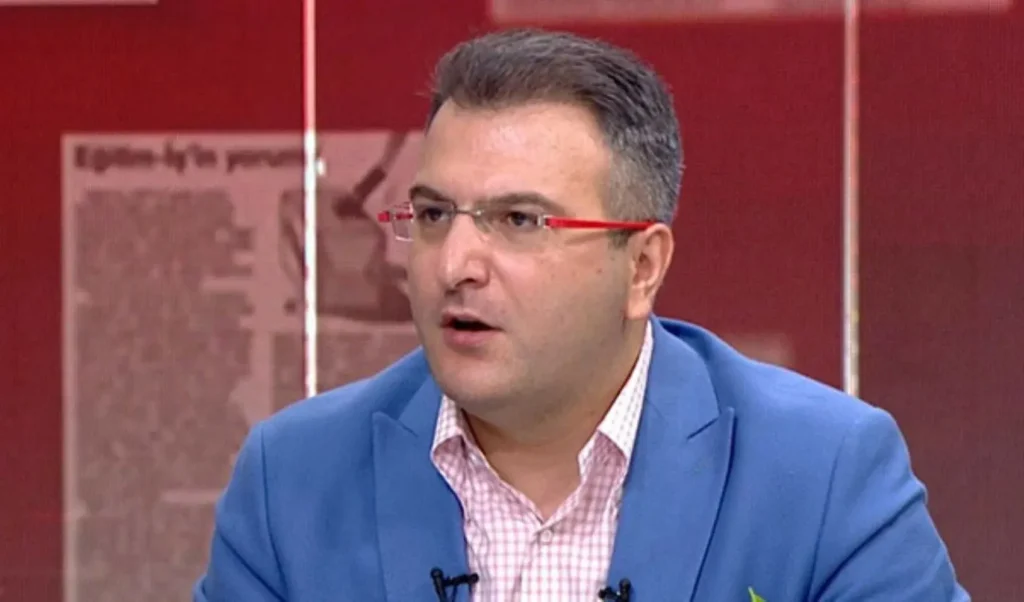
In a noteworthy development within Turkey’s media landscape, pro-government TV pundit Cem Küçük has been detained following allegations of disinformation and extortion. Reportedly, Küçük is accused of leveraging his social media presence to manipulate businesspeople for financial gain. This incident raises significant questions about freedom of the press and the implications for media professionals associated with the ruling government, especially as Küçük’s detention marks the third significant case against a pro-government journalist in recent months.
| Article Subheadings |
|---|
| 1) Background on the Allegations Against Küçük |
| 2) Overview of Küçük’s Career and Political Stance |
| 3) Context of Recent Detentions in Turkish Media |
| 4) Political Commentary and Public Perception |
| 5) Implications for Turkish Journalism and Freedom of Expression |
Background on the Allegations Against Küçük
The accusations surrounding Cem Küçük, a well-known pro-government commentator, revolve around claims that he manipulated social media information concerning various business figures for profit. According to judicial sources cited by pro-government media outlets, Küçük’s activities included sharing damaging posts about these individuals, suggesting a malicious intent to extract financial benefits. Police investigations reportedly uncovered evidence linking Küçük to cestrategic communications with businesspeople, as well as suspicious financial transactions in his accounts that corroborate these allegations.
On July 27, Küçük was removed from his positions at both TGRT Haber and Türkiye newspapers, marking a significant turn in his career. This dismissal seemingly aligns with the growing scrutiny being faced by media personalities who align closely with the ruling parties, illustrating the precarious nature of supporting narratives that may later fall under legal examination.
Overview of Küçük’s Career and Political Stance
Küçük has long been recognized as a polarizing figure in Turkish media due to his unwavering support for government policies and rhetorical styles that often attract controversy. Having built his career as a staunch advocate of President Recep Tayyip Erdoğan, Küçük has frequently positioned his arguments within the context of nationalism and government solidarity. His assertive presence in political discussions has made him both a respected and reviled figure among different factions of the public.
Over his years of commentary, Küçük has not shied away from expressing strong opinions on various aspects of Turkish politics, even anticipating significant shifts within the opposition’s ranks. Additionally, his recent comments regarding the leadership changes in the main opposition party, Republican People’s Party (CHP), further illustrate his contentious role in affecting public opinion. Such commentary has often sparked debates about not only political accountability but also the ethical responsibilities of journalists and media figures.
Context of Recent Detentions in Turkish Media
Küçük’s detention adds to a troubling trend in Turkey, where several prominent pro-government media figures have recently faced legal actions unrelated to their journalistic duties. Examples include detentions of fellow journalists Mehmet Akif Ersoy and Rasim Ozan Kütahyalı, who have been implicated in serious offenses, including drug trafficking and illegal betting networks, respectively. Their cases suggest a pattern of government skepticism towards media figures, potentially driven by a deeper desire to assert control over the narrative surrounding governance and media freedoms.
Such instances not only highlight the precarious position of journalists aligned with the ruling establishment but also raise concerns about the broader implications for press freedom and ethical conduct in journalism. The environment in Turkey increasingly reflects the complexities of navigating allegiance to the government while adhering to journalistic integrity.
Political Commentary and Public Perception
Küçük’s remarks about the CHP’s interior dynamics, especially regarding the removal of Özgür Özel from party leadership, illuminate the evolving landscape of Turkish political commentary. His predictions that Özel’s newly formed party would eclipse the CHP in future elections reflect ongoing tensions within the opposition, as many supporters are switching allegiances. This political realignment has puzzled many observers and added a layer of uncertainty to the upcoming electoral prospects.
Despite being known for his loyal advocacy of the government, Küçük’s comments critical of the CHP leadership may have inadvertently crossed lines that led to his dismissal and subsequent legal troubles. His critics argue that such cautionary tales about government failures run contrary to the loyalist rhetoric expected from pro-government journalists. This contradiction raises important questions about the limits of dissent, even within the ranks of government supporters in journalism.
Implications for Turkish Journalism and Freedom of Expression
The implications of Küçük’s detention extend beyond his individual case to broader themes concerning freedom of expression and the safety of journalists in Turkey. His decline marks an increasing atmosphere of fear surrounding media professionals, especially those associated with the government. As media scrutiny increases, there are fears that this climate may stifle freedom of expression and discourage open debate, which are essential for a healthy democracy.
Furthermore, Küçük’s case illustrates the fragility of loyalty within the realm of political discourse in Turkey. Journalists who once held respected positions may find themselves at the mercy of changing political tides. In this landscape, ethical considerations in journalism remain highly pertinent, as the distinction between personal belief and public responsibility continues to blur.
| No. | Key Points |
|---|---|
| 1 | Cem Küçük is detained on allegations of disinformation and financial exploitation. |
| 2 | Küçük’s departure from media outlets marks a critical point in Turkey’s media landscape. |
| 3 | His detention is part of a concerning trend among pro-government journalists facing legal troubles. |
| 4 | Recent comments about CHP leadership shifts contributed to the public unease surrounding his position. |
| 5 | The implications of Küçük’s case raise concerns about the future of press freedom in Turkey. |
Summary
The detention of Cem Küçük presents significant concerns regarding the state of journalism in Turkey, suggesting a tightening grip on media expression and political discourse. As pro-government figures face increasing scrutiny, the consequences for journalism’s integrity and freedom become ever more pronounced. Küçük’s case serves as a reminder of the delicate balance journalists must navigate in an environment fraught with political tension, where even loyal advocates can find themselves vulnerable to legal repercussions.
Frequently Asked Questions
Question: Who is Cem Küçük?
Cem Küçük is a pro-government journalist known for his strong support of the ruling party in Turkey.
Question: What are the accusations against Küçük?
He is accused of using his social media platform to spread disinformation about businesspeople for financial gain.
Question: What are the broader implications of Küçük’s detention?
His detention raises concerns over press freedom in Turkey and suggests a chilling effect on journalistic integrity amidst political pressures.