
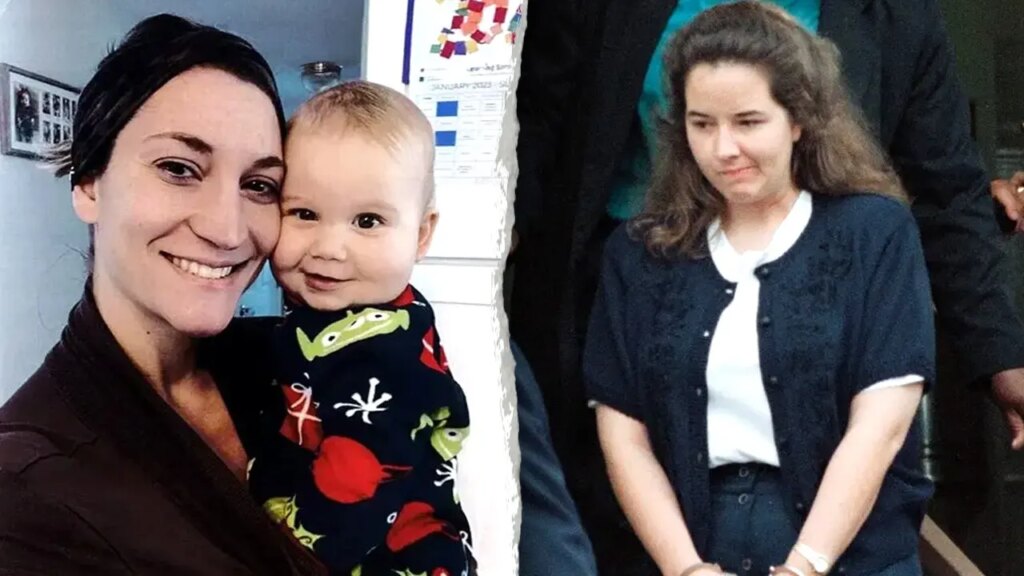
The ongoing trial of Lindsay Clancy, who is charged with the murder of her three children, continues to draw significant public attention and scrutiny. Clancy, 36, faces three counts of first-degree murder following the tragic deaths of her children—Cora, Dawson, and Callan—who were discovered strangled at their Massachusetts home in January 2023. As the trial progresses, expert testimonies and jury dynamics come into play, shedding light on the complexities surrounding mental health issues and public perception in cases of maternal filicide. With key decisions expected from the jury soon, analysis of the intricate factors influencing this case is paramount.
| Article Subheadings |
|---|
| 1) Overview of the Charges Against Clancy |
| 2) Defense Strategy: The Role of Postpartum Psychosis |
| 3) Impact of Jury Composition on the Outcome |
| 4) Statements from Legal Experts and Analysts |
| 5) Public Reaction and the Mental Health Discourse |
Overview of the Charges Against Clancy
In January 2023, the three children of Lindsay Clancy—aged just under six—were found dead at their home in Duxbury, Massachusetts. The circumstances surrounding their deaths were horrifying; authorities allege that Clancy strangled them in a moment of severe mental distress. Clancy has been charged with three counts of first-degree murder. Following these tragic events, she was detained, prompting a series of legal proceedings that have only recently culminated in a lengthy trial.
The prosecution is tasked with proving that Clancy acted with premeditation and intent. It is understood that the state aims to paint a portrait of Clancy as a woman who, despite the challenges of motherhood, consciously chose to harm her children. On the opposite side, Clancy’s defense team argues for the influence of mental illness on her actions, positioning her not as a deliberate killer, but as a mother overcome by postpartum psychosis.
As the trial unfolds, the courtroom has become a venue for emotional testimonies from family members, mental health experts, and law enforcement officials. Each perspective contributes to a narrative that seeks to understand how a mother could commit such an unspeakable act against her offspring.
Defense Strategy: The Role of Postpartum Psychosis
Central to the defense’s case is the claim that Lindsay Clancy was suffering from postpartum psychosis, a severe mental health condition that can emerge after childbirth. Her attorney asserts that during the time of the tragic incident, Clancy was not in a sound state of mind, and thus should not be held criminally responsible for her actions.
Defense experts, including psychiatrists, have been called to the stand to elaborate on the nature and symptoms of this mental illness. The prosecution, however, has been quick to challenge this defense, questioning the timing and validity of Clancy’s claims of hallucinations and disassociation. Testimonies from mental health professionals have included detailed analyses of her mental health history leading up to the incident, with some suggesting that Clancy had not exhibited severe symptoms prior to the murders.
The question of whether Clancy experienced “command hallucinations,” a specific symptom of postpartum psychosis where an individual hears voices compelling them to act, plays a crucial role in this case. Notably, forensic psychiatrist Gregory Saathoff testified about the unusual nature of the auditory hallucinations Clancy described, stating that such reports were often absent from her previous medical evaluations. This inconsistency raises questions about the sufficiency of the mental illness defense.
Impact of Jury Composition on the Outcome
The jury for this case is predominantly female, comprising 12 women and 6 men, with an expectation that deliberation will reflect the unique dynamics of their collective experiences. Rep. Tommy Pope, a former prosecutor with insight into similar cases, suggested that the jury might possess a complex viewpoint regarding maternal roles and responsibilities. He speculated that women on the jury may not express the sympathy that some would expect for Clancy due to their own experiences with motherhood.
Pope indicated that many women may resonate with the hardships and pressures of motherhood and could be less forgiving toward Clancy if they perceive her actions as a failure to uphold maternal duties. This potential lack of empathy may complicate the defense’s argument that Clancy was a victim of her mental illness rather than an intentional perpetrator.
The preponderance of female jurors also suggests that the jury’s composition could lead to varied interpretations of Clancy’s circumstances, where personal experiences may influence their decisions significantly. Observers note that discussions surrounding mental illness, especially among women, could become particularly charged given the emotional weight of the case.
Statements from Legal Experts and Analysts
Throughout the trial, varied expert opinions have emerged regarding the implications of mental health in dastardly crimes like that of Clancy’s. Some legal experts argue that while mental illness may serve as a mitigating factor, it does not absolve an individual from accountability in heinous acts like murder.
“Postpartum is real, but killing children demands accountability,”
stated a prosecutor during the proceedings, emphasizing that circumstances surrounding a crime should not excuse its brutality.
Defense witnesses have elaborated that Lindsay Clancy was undergoing immense psychological distress prior to the murders and that the societal stigma surrounding maternal mental health issues requires enhanced support systems. They emphasized that many mothers live in silence with their struggles due to fear of judgment, leading to potentially catastrophic consequences.
Analysts continue to debate whether the jury will recognize Clancy’s mental health challenges while simultaneously holding her accountable for her actions. The complex nature of the human psyche presents challenges for jurists and public alike—where compassion often collides with the moral imperative of justice.
Public Reaction and the Mental Health Discourse
The trial has incited robust public discourse surrounding maternal mental health, a topic often shrouded in taboo and misunderstanding. Many advocates for mental health awareness are keen to leverage the case to highlight systemic issues in maternal care and mental health support. Supporters of Lindsay Clancy have gathered outside the courthouse, emphasizing the need for improved education and resources for postpartum mothers.
“This trial has really made a lot of us realize just how bad things are,” remarked one supporter, reflecting on the emotional toll of the proceedings. There’s a growing sentiment that as this tragic event unfolds, it can catalyze change in how society addresses maternal mental health.
Despite the gravity of the situation, conversations around Clancy’s case highlight an urgent need for discussions about mental health resources and support for new mothers. There’s a call for comprehensive healthcare education regarding postpartum conditions, ensuring that mothers receive not just medical care but emotional support post-childbirth.
| No. | Key Points |
|---|---|
| 1 | Lindsay Clancy is charged with three counts of first-degree murder for the deaths of her children. |
| 2 | The defense argues that Clancy suffered from postpartum psychosis during the incident. |
| 3 | The jury is predominantly female, which may influence their perspective on the case. |
| 4 | Experts testify on the complexities of mental health as it relates to criminal accountability. |
| 5 | Public discourse surrounding maternal mental health has intensified as the trial progresses. |
Summary
The trial of Lindsay Clancy serves as a complex intersection of legal proceedings and mental health discourse. As she grapples with serious charges surrounding the tragic deaths of her children, various factors including jury composition, expert testimonies, and public sentiment shape the narrative of her case. The looming decisions from the jury will not only determine Clancy’s fate but could also catalyze broader discussions about maternal mental health and the societal support structures necessary to protect vulnerable mothers. The outcome of this trial will likely resonate beyond the courtroom, compelling society to examine the intricacies of mental health and accountability.
Frequently Asked Questions
Question: What charges is Lindsay Clancy facing?
Lindsay Clancy is facing three counts of first-degree murder in connection with the deaths of her three children.
Question: What defense strategy is being employed in her trial?
The defense is arguing that Clancy was suffering from postpartum psychosis at the time of the incident, which may affect her criminal responsibility.
Question: How has the public responded to the trial?
The trial has sparked significant public interest, leading to discussions about maternal mental health and advocacy for better support systems for mothers.