
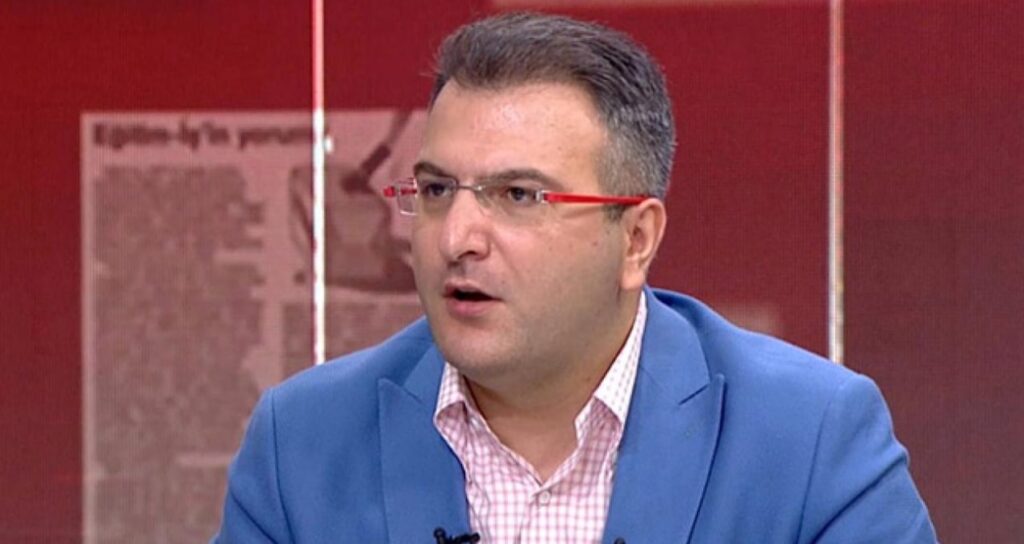
Recent developments in the Cem Küçük investigation have drawn significant attention, revealing complex financial maneuvers surrounding the well-known journalist. The Istanbul Chief Public Prosecutor’s Office has issued arrest warrants for key figures involved in the case, including employees of Beyaz TV and a prominent businessman. Reports of suspicious financial activities, including money laundering allegations, bring forth critical insights into how media presences can influence or intertwine with financial transactions in contemporary journalism.
| Article Subheadings |
|---|
| 1) Investigation Overview and Key Arrests |
| 2) Suspicious Financial Transactions and MASAK Report |
| 3) Alleged Payments for Positive Media Coverage |
| 4) The Expanding Network of Involvements |
| 5) Implications for Journalism and Accountability |
Investigation Overview and Key Arrests
The investigation into Cem Küçük, a prominent Turkish journalist, is progressing rapidly under the supervision of the Istanbul Chief Public Prosecutor’s Office. Recently, an arrest warrant was issued for İsmail Çanak, an employee at Beyaz TV, associated with the ruling party’s deputy, Osman Gökçek. Alongside Çanak, the notable businessman Serdar Özyurt, Chairman of Özyurt Holding, and famed journalist Ahsen Melek Kocatürk are also implicated but have reportedly gone missing, leading to increased scrutiny regarding their roles in the investigation. Notably, Kocatürk is said to be currently outside the country.
This investigation began after serious allegations emerged against Küçük, with initial claims involving the dissemination of misleading information and acts of blackmail. In the subsequent stages, the scope of accusations broadened to include money laundering, misleading public information, and even prostitution. The unfolding situation has put a spotlight on how investigative measures are being implemented within Turkish journalism, revealing potential unchecked practices that could compromise journalistic integrity.
Suspicious Financial Transactions and MASAK Report
An integral part of the investigation involves a detailed financial analysis conducted by the Financial Crimes Investigation Board (MASAK). According to their report, significant and unusual financial movements have been detected in Küçük’s bank accounts from 2019 to 2026, with a massive figure of around 35 million liras reported as money inflow. This report highlights a concerning pattern of transactions that raise questions about their origins and the corresponding financial health of the journalist.
Specifically, the MASAK report outlines that while Küçük received a large portion of this influx from legitimate sources such as salaries and royalties (totaling around 14 million lira), a concerning segment (approximately 5 million lira) came from unidentified sources. Transactions deemed suspicious encompassed a remarkable frequency and volume that could not be typically accounted for by personal finances, illustrating a need for further investigation into why the money was transferred and its intended use.
For instance, the report found numerous transactions that lacked adequate explanations, which is a significant concern given the scrutiny placed on journalists and their finances. Evidence suggests that there is a class of financial activity that connects Küçük to people whose monetary support could align with negative or positive media coverage, potentially indicating a quid pro quo situation. These revelations not only place Küçük under a harsher lens but also reflect broader issues pertaining to financial transparency in media operations.
Alleged Payments for Positive Media Coverage
Connections between financial transactions and the favorable media coverage raised alarm bells during the ongoing investigation. Reports indicate that substantial amounts of money were transferred to Küçük’s account from various businessmen, with specific cases pointing toward possible payments made in exchange for positive portrayal in the media.
For example, the transfer of 50,000 lira from İrem Turan, identified as an assistant for Seyfettin Selim, owner of Selim İnşaat, is being examined. The analysis indicates that Küçük published articles that benefitted Selim’s image, with the transfer labeled as a payment for news coverage. Furthermore, additional funds were also transferred from Selim himself to Küçük, suggesting a transactional relationship rather than a professional journalist-source dynamic.
This pattern of receiving payments from prominent businessmen in return for favorable news coverage raises critical ethical questions about the independence of the media. The investigation’s findings have led to an increased call for accountability and transparency in financial dealings within the journalism sector.
The Expanding Network of Involvements
As the investigation unfolds, new layers of involvement are emerging. The financial networks connecting Küçük to various individuals and organizations are not only extensive but also intricate. Various companies and individuals, including a driver for a construction company, are being scrutinized for their financial interactions with Küçük.
The movements of 40,000 lira from Serdar Cömert, a driver for Atalay Demirbaş, alongside several other transactions, hint at a concerning trend where media outlets may potentially collude with businesses for favorable coverage. The overall environment painted by these findings suggests a culture of impropriety prevalent in certain sectors of the Turkish media landscape, where business interests and journalism increasingly collide.
As a result, ongoing scrutiny will likely extend beyond Küçük and include the various individuals connected to him. The possibility that these financial interactions were designed to manipulate how news is presented poses significant challenges for upholding journalistic standards and public trust.
Implications for Journalism and Accountability
The revelations surrounding the Küçük investigation present crucial implications for the field of journalism, especially in regards to ethical practices. The intertwining of financial support and media coverage raises a cautionary flag about the potential compromise of journalistic integrity. With increasing evidence that practice may blur the lines between reporting and transactional favor, a reevaluation of norms and standards in Turkish journalism may be warranted.
Notably, the prospects of accountability and reform become evident as authorities scrutinize financial networks within journalism. The involvement of the Istanbul Chief Public Prosecutor’s Office further underscores the serious nature of these allegations and reinforces the importance of tackling corrupt practices in media to safeguard the profession’s credibility. Heightened transparency measures and clearer ethical guidelines will be essential in restoring public trust and ensuring the integrity of journalistic endeavors moving forward.
| No. | Key Points |
|---|---|
| 1 | An investigation into Cem Küçük has led to arrests and serious allegations, including money laundering. |
| 2 | MASAK’s report indicates large suspicious transactions in Küçük’s accounts, with 35 million lira inflow detected. |
| 3 | Allegations suggest that payments were made to Küçük from businessmen in exchange for favorable media coverage. |
| 4 | The network of financial dealings implicates multiple individuals and raises questions about media ethics. |
| 5 | Discussion regarding accountability in journalism has surged, highlighting the need for reform in ethical guidelines. |
Summary
The unfolding investigation surrounding Cem Küçük portrays a concerning nexus between journalism and financial misconduct in Turkey. The subsequent implications challenge the established norms and practices within the field, necessitating a proactive approach toward transparency and ethical standards. As authorities continue to examine the financial interactions tied to Küçük and associated figures, the broader media industry may need to reassess its commitment to integrity, highlighting the role of independent journalism in preserving public trust and accountability.
Frequently Asked Questions
Question: Who is Cem Küçük?
Cem Küçük is a prominent journalist in Turkey whose recent investigation has led to serious legal allegations against him, including money laundering and blackmail.
Question: What accusations have been made against Küçük?
Küçük is facing multiple allegations, including publicly disseminating misleading information, blackmail, and financial crimes linked to money laundering.
Question: How do the findings impact journalism?
The findings suggest a potential compromise of journalistic integrity, raising ethical concerns about the influence of financial transactions on media coverage.