
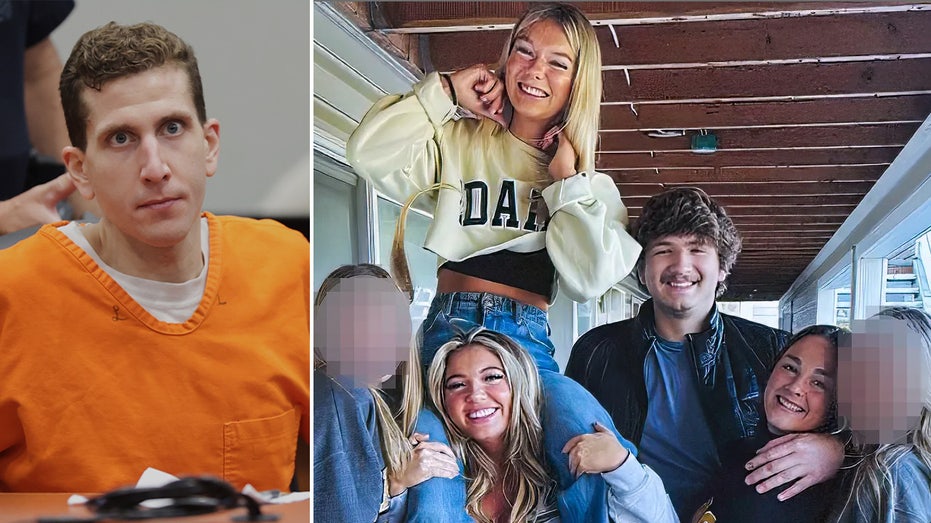
Bryan Kohberger’s request for post-conviction relief has renewed criticism of the plea agreement that spared him the death penalty in the killings of four University of Idaho students. Forensic psychologist Dr. Kris Mohandie argues prosecutors missed an opportunity by failing to require a detailed account of the murders. Kohberger is now challenging his conviction while claiming ineffective counsel, misleading advice and innocence. His legal filing has also forced the victims’ families to revisit a case they believed had concluded.
| 1) | Criticism of the plea agreement |
|---|---|
| 2) | Details of Kohberger’s post-conviction petition |
| 3) | What prosecutors gained and lost |
| 4) | Psychologist’s assessment of Kohberger’s conduct |
| 5) | Impact on the victims’ families |
Criticism of the plea agreement
The agreement was reached in Idaho in 2025 after Bryan Kohberger pleaded guilty to killing four students: Madison Mogen, Ethan Chapin, Xana Kernodle and Kaylee Goncalves. In exchange for the guilty pleas, prosecutors removed the possibility of a death sentence. Kohberger received four consecutive life sentences without parole, followed by an additional 10-year sentence.
Dr. Kris Mohandie, a police and forensic psychologist who has commented on the case, said the prosecution should have required Kohberger to provide a complete account of the killings before accepting the agreement. He argued that a detailed confession could have tied Kohberger to a specific narrative and limited his ability to later dispute what happened.
“It was a real mistake and series of heavy mistakes by the DA’s office to enter into this deal, because now here we are, putting the victims through all this again with having gotten nothing,” Mohandie said.
Details of Kohberger’s post-conviction petition
In July 2026, Bryan Kohberger filed a petition for post-conviction relief. He alleged that his attorneys provided ineffective assistance and that he had been misled. Despite admitting responsibility during a July 2025 change-of-plea hearing, the petition reportedly maintains that he is innocent of the murders.
The filing came after a new attorney was appointed following Kohberger’s request for relief. The petition seeks to reopen legal questions surrounding the guilty plea and the representation he received. It also comes despite the waiver of appellate rights included in the plea arrangement, leaving the court to assess whether any claimed constitutional or procedural defects could justify further proceedings.
What prosecutors gained and lost
The plea ended the possibility of a capital trial and secured a conviction without a lengthy courtroom presentation of all the evidence. Investigators had found Kohberger’s DNA on a knife sheath recovered at the crime scene, in a bed associated with two of the four students. Prosecutors therefore obtained life sentences and avoided the uncertainty of a death penalty trial.
Latah County Prosecutor Bill Thompson said after sentencing that officials believed Kohberger might lie if required to explain the killings in detail. Mohandie rejected that reasoning, saying even an incomplete or self-serving account would have provided prosecutors with an admission that could be tested against the evidence.
“So pin him to a story is part of why you do this,” Mohandie said.
Psychologist’s assessment of Kohberger’s conduct
Dr. Kris Mohandie said Kohberger’s handwritten petition and efforts to draw public attention to his case fit traits he has previously associated with the convicted killer. He described a possible desire to outmaneuver legal authorities and maintain notoriety, while emphasizing that such observations are his professional interpretation rather than a court finding.
Mohandie also pointed to Kohberger’s decision to contact a reporter from prison before filing the petition. He said the behavior reflected what he characterized as a belief that the defendant is unusually intelligent or capable of outsmarting others. Mohandie urged the public not to treat convicted killers as fascinating public figures.
“They are terrible people and monsters,” Mohandie said.
Impact on the victims’ families
The new legal challenge has reopened painful proceedings for the families of Madison Mogen, Ethan Chapin, Xana Kernodle and Kaylee Goncalves. Although Kohberger remains imprisoned under four life sentences and an additional 10-year term, the petition requires courts and attorneys to revisit the circumstances of the plea.
Mohandie said the absence of a fuller confession has increased the scope for dispute and allowed Kohberger to present competing explanations. He argued that the renewed litigation risks re-traumatizing families while offering them no additional account of why the students were killed.
| Number | Key Point |
|---|---|
| 1 | Kohberger pleaded guilty in 2025 and avoided the death penalty. |
| 2 | He is serving four consecutive life sentences without parole plus 10 years. |
| 3 | His 2026 petition alleges ineffective counsel and misleading advice. |
| 4 | A psychologist says prosecutors should have required a detailed confession. |
Summary
Kohberger’s plea agreement delivered a final conviction and protected him from a possible death sentence, but it did not prevent a later post-conviction challenge. Mohandie believes prosecutors should have secured a fuller account of the killings before accepting the plea. The petition’s outcome will depend on the court’s review of the alleged legal and constitutional defects, not on the psychologist’s assessment.
Frequently Asked Questions
What sentence is Bryan Kohberger serving?
Bryan Kohberger is serving four consecutive life sentences without the possibility of parole, plus an additional 10-year sentence.
Why did Kohberger file for post-conviction relief?
His petition alleges ineffective assistance of counsel and claims he was misled. It also maintains that he is innocent despite his guilty plea.
What does the psychologist say prosecutors should have done?
Dr. Kris Mohandie says prosecutors should have required Kohberger to provide a detailed confession before accepting the plea agreement.