
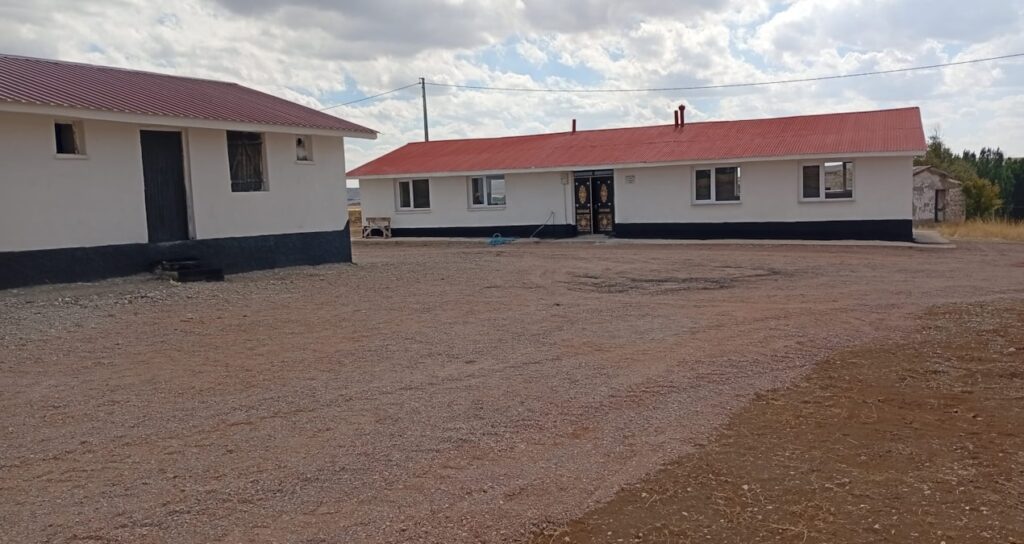
In a remarkable demonstration of community spirit and collaboration, villagers in Soğukpınar, a small village in the Kangal district of Sivas, have successfully renovated their 50-year-old school building and lodging. Guided by village headman Erdoğan Yılmaz, the villagers undertook this initiative, transforming the long-idle infrastructure into a functional space meant for social and cultural gatherings. Committed to preserving their heritage, the renovation included comprehensive repairs to the building, culminating in a celebratory dance, known as halay, performed by residents in the school garden.
| Article Subheadings |
|---|
| 1) Community Initiative to Revitalize an Idle Building |
| 2) Renovation Efforts and Outcomes |
| 3) Leadership and Coordination by Local Officials |
| 4) Future Uses of the Renovated Building |
| 5) Celebration and Community Engagement |
Community Initiative to Revitalize an Idle Building
The village of Soğukpınar, nestled in the Kangal district of Sivas, witnessed a significant transformation as the community came together to revive their long-abandoned school building. Previously unusable for many years, this 50-year-old infrastructure was once an integral part of the village’s social and educational fabric. The initiative to renovate it emerged from a collective desire to restore a vital resource that had fallen into disrepair. The immediate actions began only after Erdoğan Yılmaz, the village headman, secured the necessary permissions from local authorities, paving the way for a grassroots movement that would breathe new life into the structure.
The effort was truly a reflection of communal engagement, as villagers pooled their resources and support for the renovation project. Many members contributed not only financially but also donating their time and labor for the repairs. The community’s commitment to this endeavor highlighted the importance of preserving local heritage and advocating for the reuse of existing infrastructure instead of letting it deteriorate further.
Renovation Efforts and Outcomes
The renovation process involved extensive work both inside and outside the school building. Villagers worked diligently to renew the plaster on both the interior and exterior walls, ensuring that the building not only looked appealing but also met safety standards. New doors and windows were installed, allowing for better insulation and security, while the kitchen facilities were updated to improve usage possibilities. The transformation was so thorough that the building was declared to be in excellent condition upon completion of the renovation.
By restoring the building with their own hands, the villagers not only enhanced a once idle space but also fostered a sense of pride and ownership within the community. The successful renovation has set a precedent within the village and could serve as a model for similar initiatives in other localities facing challenges with unused public buildings.
Leadership and Coordination by Local Officials
The driving force behind this renovation was none other than village headman Erdoğan Yılmaz. His leadership was crucial in initiating the project and maintaining momentum: “This place was lying idle. We got our permission from the authorities. We started its renovation without changing its physical structure,” he stated during the celebrations. His efforts to gather opinions and support from the residents emphasized the democratic nature of the project, as local villagers engaged in discussions about the building’s future.
His acknowledgment of the villagers’ contributions showed a strong awareness of communal support in achieving common goals. With the local tradespeople also stepping up, the response illustrated a community-wide commitment to rejuvenate a space that was once integral to education and social gatherings.
Future Uses of the Renovated Building
Looking ahead, plans for the renovated building are poised to enhance community life even further. The intention is to transform the space into a multi-purpose hall that would be available for a variety of social and cultural events. This vision not only connects the community to its history but also provides a central location for gatherings, workshops, and celebrations.
Moreover, the surrounding garden area is projected to become a focal point for diverse events to be organized by community members. The hope is that the revitalized site will strengthen bonds among residents and help foster a spirit of collaboration and engagement within the village.
Celebration and Community Engagement
Once the renovation work was concluded, the villagers gathered joyously to celebrate their achievement. In a spirited display of unity, they engaged in halay, a traditional dance symbolizing community bonding, in front of the renovated school. Accompanied by music, the event became a festive occasion, marking not only the completion of the project but also reinforcing communal ties and shared pride in their accomplishments.
The celebration served a dual purpose—honoring the diligent work that went into the renovation while energizing the community and encouraging ongoing collaboration. This event highlights the cultural aspects of village life, suggesting a resurgence of local traditions as a means of fostering deeper connections among residents.
| No. | Key Points |
|---|---|
| 1 | Community members in Soğukpınar initiated the renovation of a long-abandoned school building. |
| 2 | The renovation process included extensive repairs and updates to the building’s structure. |
| 3 | Local headman Erdoğan Yılmaz played a pivotal role in gathering permissions and support. |
| 4 | Plans for the building’s future include its use as a multi-purpose hall for various community events. |
| 5 | The renovation was celebrated with a community dance, emphasizing the importance of togetherness. |
Summary
The renovation of the former school building in Soğukpınar village emphasizes the significant role of community activism in preserving local heritage and enhancing social infrastructure. Through collaboration and leadership, the villagers have not only revitalized a long-idle building but also fostered an inclusive environment for future gatherings. This initiative serves as an inspiring example that highlights the power of community engagement, dedication, and cultural pride.
Frequently Asked Questions
Question: Why was the school building in Soğukpınar village renovated?
The school building was renovated to restore its use as a community resource and to prolong the historical significance of the structure within the village.
Question: Who led the renovation efforts?
The renovation was led by village headman Erdoğan Yılmaz, who coordinated efforts and secured necessary permissions from local authorities.
Question: What future plans are proposed for the renovated building?
The renovated building will serve as a multi-purpose hall for social and cultural events, strengthening community ties and promoting local engagement.