
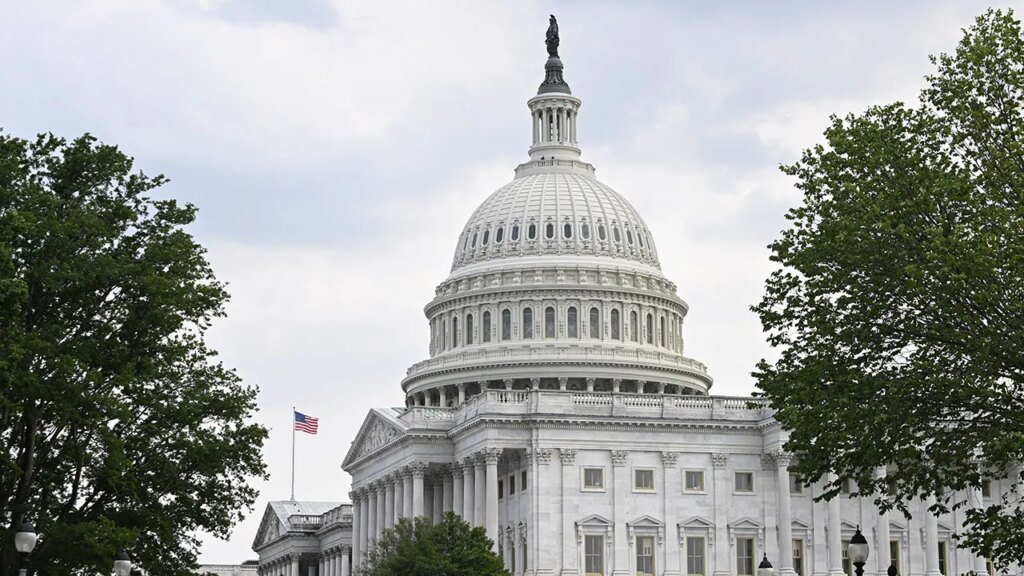
Election season is heating up as both the Republican and Democratic parties brace for pivotal Senate races. With U.S. Senators facing challenges that could shift the balance of power in Congress, the stakes are higher than ever. Polls indicate a competitive landscape, with numerous races showing tight margins. Despite the predictions of a Democratic wave, the outcome remains uncertain as key factors such as campaign spending and local issues could influence voters’ decisions significantly.
| Article Subheadings |
|---|
| 1) The Current Political Landscape |
| 2) Key Senate Races to Watch |
| 3) The Role of Funding in Campaigns |
| 4) Challenges Facing Republican Candidates |
| 5) Democratic Strategies and Expectations |
The Current Political Landscape
As the U.S. approaches a critical election cycle, uncertainty looms over the political landscape. Both major parties are bracing for a showdown as they vie for control of the Senate, which could ultimately determine the legislative agenda for the next couple of years. Amidst rising tensions and divisive issues such as healthcare and immigration, each party is rallying its base while trying to sway undecided voters.
Currently, political analysts observe fluctuating dynamics across several key states, highlighting the fine line between victory and defeat. It is essential to understand not just the candidates, but also the underlying sentiments within the electorate as they respond to local and national issues. The opportunities and challenges presented in this political landscape could drastically influence voter turnout and preferences come election day.
Key Senate Races to Watch
Among the numerous Senate races that could reshape the political hierarchy, several key contests stand out. Notably, the race in Maine features incumbent Senator Susan Collins, who is under pressure as she faces her challenger, Troy Jackson. Collins’ political career has been marked by her moderate stance, but as the election approaches, many are questioning her popularity and capability to secure a win in such a contentious environment.
In Iowa, Josh Turek, a candidate with a compelling personal story, is running against incumbent Representative Ashley Hinton. Turek’s background as a wheelchair basketball player and legislator brings a unique perspective to the race. Hinton’s campaign, however, has focused on broader national issues that appeal to conservative voters, including immigration policies and military engagement—topics that Turek has countered with an emphasis on healthcare and national stability.
Additionally, in Kansas, the competitive contest features incumbent Republican Senator Roger Marshall facing off against Democrat Adam Hamilton, who enjoys local support as a church founder. This race is particularly intriguing as it juxtaposes Hamilton’s community-driven platform against Marshall’s healthcare background, especially in light of recent controversies surrounding Marshall’s past legal actions as a physician.
The Role of Funding in Campaigns
Funding plays a pivotal role in shaping the outcomes of critical Senate races. The Republican Party is reportedly investing millions in advertisements and campaign outreach, which could provide a significant edge to their candidates. The influx of financial resources allows GOP candidates to saturate media markets and spread their messages, despite the challenges of early voting dynamics where opinions may already be formed.
Nevertheless, the effectiveness of the spending remains to be seen. In this cycle, many voters have expressed fatigue with political advertisements, creating a complex relationship between campaign spending and actual voter behavior. While financial power is invaluable, the effectiveness of connecting with voters on a personal level may ultimately dictate the trajectories of these races.
Challenges Facing Republican Candidates
Republican candidates are grappling with numerous challenges as they seek to maintain their foothold in traditionally conservative states. Factors such as evolving voter demographics, changing social attitudes, and controversies surrounding their candidates can create hurdles in winning elections. In North Carolina, for instance, there is speculation that resources have been redirected, conceding potential wins to Democratic candidates like former Governor Roy Cooper.
The Democratic Party has begun exploiting these vulnerabilities, positioning themselves as the party of the people, especially in areas where local issues resonate strongly with constituents. The risk for Republican candidates lies in their need to differentiate themselves from national narratives that could hinder their local campaigns.
Democratic Strategies and Expectations
As the election approaches, Democrats are bolstered by a sense of optimism, buoyed by the potential for capturing crucial Senate seats. Their strategies include grassroots mobilization, emphasizing the importance of local voices and agendas. With close races in states perceived as Republican strongholds, Democrats believe they have a viable path to increasing their representation.
Democratic candidates have begun crafting narratives that align with the needs and concerns of their constituents, which range from economic stability to healthcare access. This approach has proven effective in mobilizing not only their base but also undecided voters who may be swayed by relatable topics. The narrative that ‘all politics are local’ resonates strongly as candidates fight for every last vote.
| No. | Key Points |
|---|---|
| 1 | Control of the Senate remains uncertain as key races unfold. |
| 2 | Key candidates include incumbents facing significant challenges. |
| 3 | Funding plays a critical role in shaping campaign dynamics. |
| 4 | Republican candidates face challenges in maintaining traditional voter bases. |
| 5 | Democrats are utilizing local strategies to enhance voter engagement. |
Summary
The upcoming Senate elections stand at a crucial juncture that could define the legislative landscape for years to come. With a mix of seasoned incumbents, fresh challengers, and an electorate that is increasingly diverse and discerning, both parties must navigate complex dynamics to capture the necessary seats. As funding floods into races and both sides refine their campaigns, the interplay of local issues with larger political narratives will likely determine the outcomes and could reshape the future of governance.
Frequently Asked Questions
Question: What are the key factors influencing the upcoming Senate elections?
Key factors include candidate popularity, campaign funding, voter demographics, and local issues that resonate with the electorate.
Question: How significant is campaign funding in Senate races?
Campaign funding is crucial as it enables candidates to secure media coverage, outreach efforts, and overall visibility among voters, but it does not always guarantee victory.
Question: Why are Republicans facing challenges in traditionally conservative states?
Republicans are facing challenges due to shifting demographics, changing social attitudes, and controversies that diminish voter confidence in their candidates.