
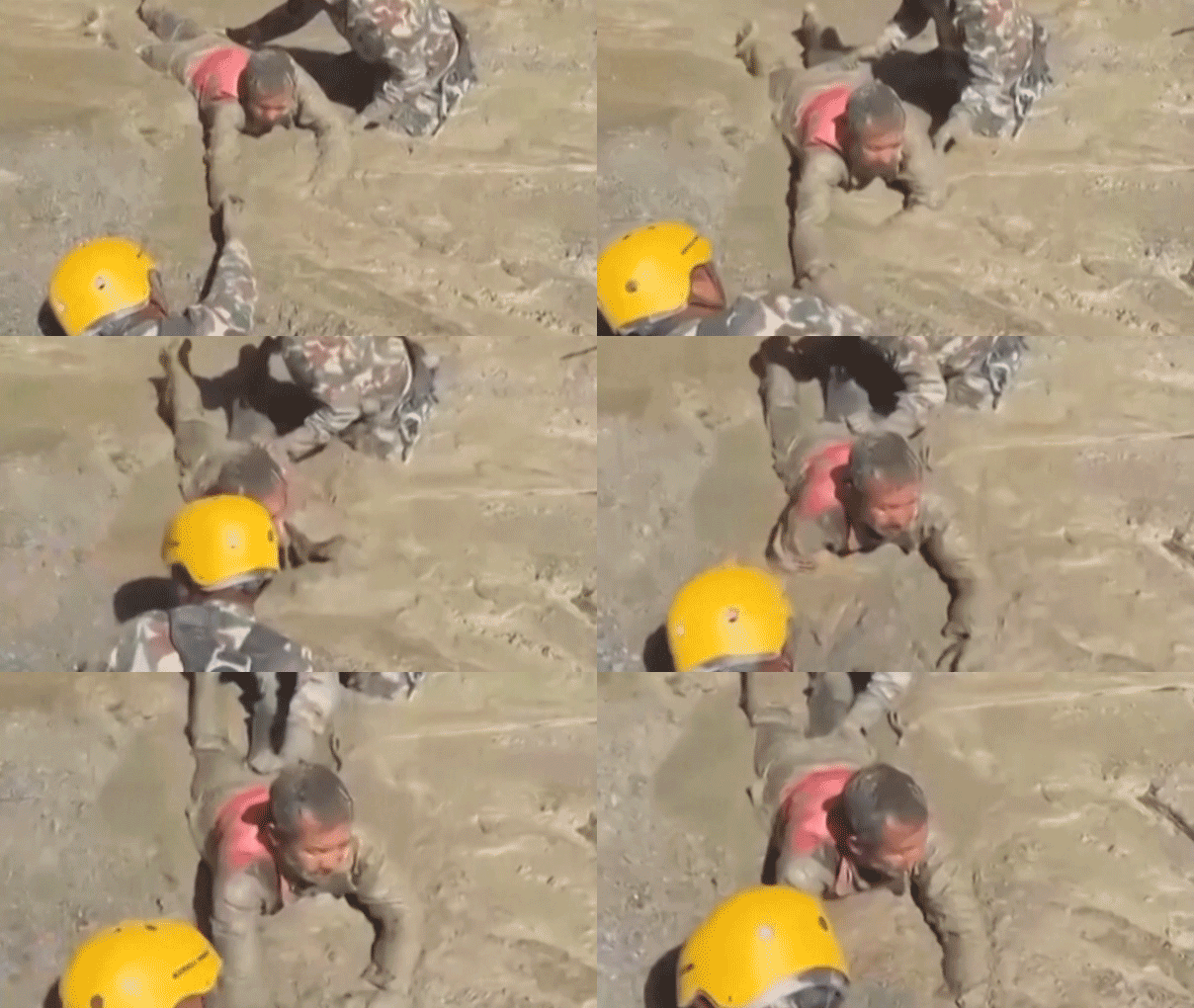
In a tragic turn of events, a devastating mudslide in Nepal has claimed the lives of at least 538 individuals, with thousands still missing. The incident, caused by a glacial collapse, struck the Rasuwa district and extended its effects into the neighboring Tibetan region of China. Rescue efforts have been mobilized, with officials confirming that several hundred people have been rescued from mud-filled tunnels and surrounding flooded areas. The situation continues to evolve as more than 1,000 people remain unaccounted for.
| Article Subheadings |
|---|
| 1) Overview of the Disaster |
| 2) Rescue Operations Underway |
| 3) Details on Casualties and Missing Persons |
| 4) Causes of the Mudslide |
| 5) Responses from Officials and Aid Organizations |
Overview of the Disaster
The recent mudslide in Nepal has been characterized as one of the most severe natural disasters the region has faced, impacting not only local communities but also reaching into China’s territory. The disaster struck during the early hours on August 26, 2026, when a significant glacial collapse created torrents of mud and debris that swept through the valleys, particularly in the Rasuwa district of Nepal. The incident caused immense disruption, triggering flash floods and mudflows that resulted in substantial destruction of infrastructure and homes.
Eyewitness accounts describe chaotic scenes as the mudslide engulfed populated areas, with residents frantically seeking safety. Local reports indicate that the intensity of the mudslide was so powerful that it dismantled well-constructed buildings as if they were made of toothpicks. Videos released by authorities document the harrowing rescue missions as emergency responders fought against time to save trapped individuals.
Rescue Operations Underway
In the aftermath of the disaster, the Nepalese government, along with various rescue teams, launched extensive operations to locate and save affected individuals. Prime Minister officials reported that as of recent updates, over 350 people have successfully been rescued from a tunnel associated with a local hydropower project that became inundated with mud. In addition to the tunnel rescues, about 533 residents have been safely relocated from flooded areas, showcasing the resilience and dedication of the rescue teams actively engaged in challenging conditions.
Rescue operations continue in full swing, with search efforts focused on unearthing survivors trapped beneath layers of mud and debris. However, the ongoing efforts face significant challenges including unstable terrain, continuous rainfall, and treacherous conditions within the affected regions. The government has coordinated with multiple agencies and NGOs to utilize equipped personnel, machinery, and helicopters to expedite the rescue missions while prioritizing the safety of both the responders and the potential survivors.
Details on Casualties and Missing Persons
The human toll of the disaster is staggering, with the Nepal National Disaster Risk Reduction and Management Authority (NDRRMA) reporting at least 538 confirmed dead. Meanwhile, approximately 1,924 individuals are still unaccounted for on the Nepalese side, presenting a grave concern for family members and officials alike. The situation is worrying, particularly as reports from the Chinese side of the border indicate five deaths with at least 558 missing individuals due to the mudslide’s extensive impact.
Among those missing are approximately 90 individuals identified as American tourists, which has heightened concern at the diplomatic level. Efforts to reunite families and provide updates on the investigation are ongoing, and the situation remains fluid, as rescue teams work continuously to gather information and provide assistance.
Causes of the Mudslide
The mudslide’s origin has been connected to a glacial collapse that occurred in nearby Langtang National Park, triggered by tectonic activity in the region. According to the U.S. Geological Survey (USGS), a massive ice rock entered the Lhende Khola River system, leading to the catastrophic flow of debris and mud that has devastated communities. Historical data indicate that seismic activity is common in this mountainous region, but the scale and destructive nature of this event have shocked experts.
The geological factors that contributed to this disaster highlight the region’s vulnerability to extreme weather and geological phenomena. Increased climate variability, which has resulted in more frequent glacial melt, often precipitates such disastrous events, raising concerns among environmental scientists regarding future occurrences.
Responses from Officials and Aid Organizations
Responses from the Nepalese government have been rapid, with top officials making public reassurances about the ongoing rescue efforts. In an address to the media, government representatives emphasized their commitment to utilizing all available resources to assist the affected populace. “We will not spare any efforts in saving lives,” commented a senior rescue official, reinforcing the resolve of the authorities in addressing this disaster.
The international community has also begun responding, with offers of aid from various countries and global organizations. Humanitarian organizations are mobilizing support to provide essentials like shelter, food, and medical supplies for those who have survived the mudslide. Nations around the world are already preparing to send teams and resources to assist in recovery and rebuilding efforts in Nepal.
| No. | Key Points |
|---|---|
| 1 | Over 538 confirmed dead due to the mudslide in Nepal. |
| 2 | Approximately 1,924 individuals are still missing. |
| 3 | 350 people have been rescued from the flooded tunnels. |
| 4 | The mudslide was triggered by a glacial collapse after an earthquake. |
| 5 | International and domestic rescue efforts are ongoing. |
Summary
The catastrophic mudslide in Nepal serves as a grim reminder of the region’s vulnerability to natural disasters exacerbated by climatic changes and geological instability. With hundreds confirmed dead and many missing, the urgency of rescue operations is paramount as officials strive to reunite families and provide aid to survivors. This disaster not only highlights the immediate need for humanitarian response but also prompts reflection on disaster preparedness and infrastructure resilience against the changing climate.
Frequently Asked Questions
Question: What caused the mudslide in Nepal?
The mudslide was primarily triggered by a glacial collapse following an earthquake in the region, resulting in significant debris flow and flooding.
Question: How many people have been rescued so far?
As of the latest reports, rescue operations have successfully saved over 350 individuals from mud-filled tunnels and adjacent flooded areas.
Question: What is being done to assist the victims of the mudslide?
The Nepalese government, along with international humanitarian organizations, is actively mobilizing resources to provide shelter, food, and medical supplies to the victims while conducting ongoing rescue operations.