
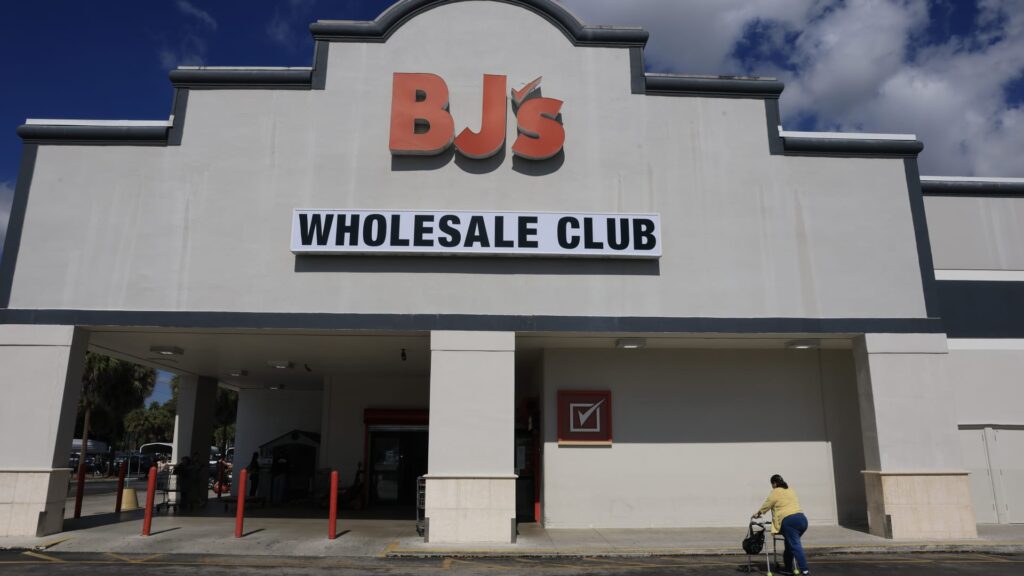
In response to changing consumer habits and economic pressures, retailers across the United States are streamlining their inventory selections. As inflation affects customers’ spending power, many retailers, including Dollar General, Under Armour, and BJ’s Wholesale Club, are choosing to reduce the number of items they sell—known as stock keeping units (SKUs)—to improve their financial health and satisfy investors. This trend, while aiding in profitability, comes with the trade-off of limited choices for consumers.
| Article Subheadings |
|---|
| 1) Retailers’ New Strategy: Reducing Inventory |
| 2) The Balance Between Choices and Profitability |
| 3) Inventory Management Trends in Retail |
| 4) Challenges in SKU Reduction |
| 5) The Impact of SKU Rationalization on Sales |
Retailers’ New Strategy: Reducing Inventory
In an effort to bolster their finances amid inflation, many retailers are strategically reducing their product assortments. This decision to trim SKUs is notably evident among companies like Dollar General, which announced a cut of 1,500 SKUs in March. Following suit, Under Armour indicated a plan to reduce its SKUs by an additional 25% on top of an already 25% reduction in the past few years. Similarly, BJ’s Wholesale Club expressed intentions to draw down approximately 20% of its SKUs, emphasizing a significant shift in retail inventory management. This initiative is largely aimed at cleaning up balance sheets, enabling these companies to stabilize their sales and improve their profitability at a time when consumers are becoming increasingly selective with their spending.
As consumers face higher prices for essentials like food and gas, the change in consumer behavior reflects a cautious approach to discretionary spending. Retailers are responding accordingly, as evidenced by recent earnings calls that showcased their intentions to streamline product availability. This strategic move represents an adaptation to changing market dynamics and a broader focus on maintaining operational efficiency.
The Balance Between Choices and Profitability
While the reduction in product selection can lead to increased profitability for retailers, it often results in consumers facing fewer choices. Removing lesser-selling items can minimize inventory overhead and alleviate losses associated with unsold products; however, this approach can be a double-edged sword. Retail analysts, including Simeon Siegel, highlight that a lack of diversity in product offerings could alienate customers who may seek better selection or alternatives.
“Selling fewer options is not the same as selling fewer things,”
noted Siegel, emphasizing that even successful brands like Lululemon have had to confront the consequences of excessive discounting and limited choices.
Moreover, as brands like Lululemon experienced both growth and decline in sales and operating profits, they learned that trimming inventory is not a blanket solution to restore profitability. During fiscal 2025, for instance, while Lululemon managed to increase its sales by over $500 million, its operating profit observed a striking drop of about $300 million. This reflected not just the effect of SKU reductions but a broader necessity for brands to adapt their strategies and achieve a tactical balance in revenue versus brand integrity.
Inventory Management Trends in Retail
Retailers are increasingly adopting inventory management techniques that emphasize curation and strategic offerings rather than mere volume. Large retailers like BJ’s and discount chains such as Dollar General are finding that refining their product categories helps to position them competitively in a crowded marketplace. Reducing SKUs allows them to better manage their inventory while maintaining a focus on top-selling products. For example, BJ’s is refining its offerings to focus on high-demand goods, which ultimately position them to enhance sales in other product categories by creating space on their shelves. The company’s CEO, Robert Eddy, confirmed this approach, stating that cutting products allows for an influx of new offerings that resonate with what consumers are currently seeking.
In a similar vein, Dollar General experienced value creation after letting go of 1,000 SKUs in June 2025. When it chopped down an additional 1,500 SKUs in March 2026, benefits were seen in supply chain performance, making it easier for the company to respond to consumer demands efficiently. As CEO Todd Vasos pointed out, “Being more productive there means getting product to the shelf faster and being there for the consumer with the right amount of items and products that she’s looking for as quickly as we possibly can.”
Challenges in SKU Reduction
Reducing inventory is not without its challenges, and retailers must navigate potential pitfalls that come with SKU slimming. One significant risk is losing customers to competitors that still carry the products being cut. Previous SKU reduction attempts by companies like BJ’s have not always resulted in the intended sales increases; instead, they sometimes negatively impacted revenue streams. As Eddy acknowledged, previous eliminations had adverse effects, leading the company to reintroduce certain items after realizing that restricting choices could lead to reduced foot traffic and store sales. This highlights the delicate balance retailers must maintain to avoid losing their market share to less restricted competitors.
Moreover, it is critical for retailers to present a clear value proposition to their clientele, ensuring that they understand the rationale behind the changes in product offerings. This necessitates regular communication with customers about what has been cut and why, as well as effectively promoting remaining items to ensure they generate interest and drive sales.
The Impact of SKU Rationalization on Sales
Many retailers are reporting notable changes in their sales dynamics due to SKU rationalization measures. By focusing their inventories, these businesses are finding that they can manage sales more effectively while still appealing to customer preferences. Some companies, including Under Armour, have observed significant fluctuations in their profitability metrics following SKU rationalization efforts. While they are reducing the number of products available, they are simultaneously aiming to enhance the perceived value of what they retain.
“Today, we’re managing for quality. Fewer products with greater purpose, tighter execution and a clear reason to buy,”
stated Kevin Plank, CEO of Under Armour, reflecting the mindset that a more curated collection can lead to higher sales per item.
As consumers adjust to the new landscape of shopping with fewer choices, brands must seize the opportunity to bolster the marketing of their refined product lines. Their success largely hinges on how effectively they communicate the enhancements made within their new selections and the value these products bring to consumers. Ultimately, strong branding and consumer engagement can transform a seemingly restrictive inventory strategy into one that cultivates brand loyalty and stimulates sales growth.
| No. | Key Points |
|---|---|
| 1 | Retailers are reducing product assortments to manage inventory and improve profitability. |
| 2 | Companies like Dollar General and Under Armour are leading this trend with significant SKU cuts. |
| 3 | SKU reductions may enhance financial stability but can lead to fewer choices for consumers. |
| 4 | Effective communication and strong branding are vital for the success of this inventory strategy. |
| 5 | Retailers must balance product diversity with profitability to maintain their market positions. |
Summary
The current trend of reducing SKUs among retailers is a strategic maneuver to navigate economic challenges and bolster financial performance. While this approach offers potential benefits such as improved profitability and more effective inventory management, it poses significant risks, including diminished consumer choices and possible customer attrition. Retailers must tread carefully to maintain a balance that appeals to both business goals and customer satisfaction, ensuring ongoing success in a competitive market landscape.
Frequently Asked Questions
Question: Why are retailers cutting their SKUs?
Retailers are cutting their SKUs primarily to manage inventory better and enhance profitability amidst economic pressures and changing consumer spending habits. This allows them to focus on their best-selling products and streamline operations.
Question: How does SKU reduction affect product choice for consumers?
SKU reduction often leads to fewer product choices for consumers, which can limit their options when shopping. Retailers aim to balance maintaining essential merchandise with optimizing profitability.
Question: What challenges do retailers face when implementing SKU cuts?
Retailers face challenges such as losing customers to competitors, managing customer expectations, and ensuring effective communication regarding the changes in inventory to maintain loyalty and sales.