
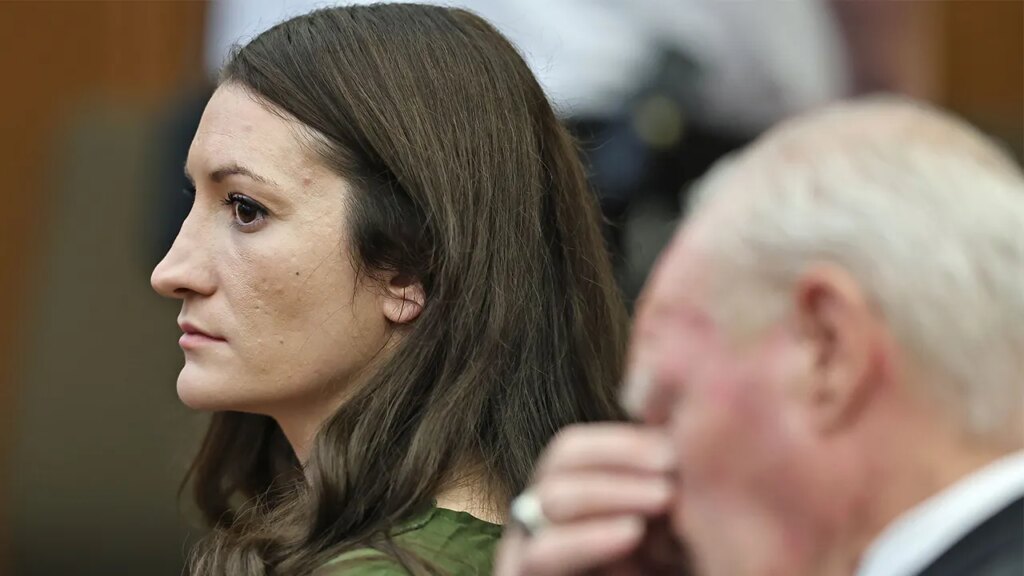
The ongoing trial of Lindsay Clancy, a mother charged with the first-degree murder of her three children, has entered a critical stage as jurors continue their deliberations. Clancy, aged 36, faces three counts following the tragic deaths of her children—Cora, Dawson, and Callan—who were found dead in their Duxbury, Massachusetts home in January 2023. This high-profile case raises questions about mental health and the legal system, particularly concerning the potential for an insanity defense and its implications for Clancy’s future.
| Article Subheadings |
|---|
| 1) Overview of the Case Against Lindsay Clancy |
| 2) The Insanity Defense and Its Implications |
| 3) Analyzing the Role of Mental Health in Legal Proceedings |
| 4) Comparisons with Historical Cases of Maternal Filicide |
| 5) Jury Deliberations and Potential Outcomes |
Overview of the Case Against Lindsay Clancy
The case against Lindsay Clancy is particularly devastating, focusing on the fatal events that transpired in her home on January 24, 2023. Clancy, a mother of three, has been accused of killing her young children, with prosecutors alleging that she methodically strangled each child before attempting to take her own life. The victims, aged 5, 3, and 8 months, were discovered in their home, prompting immediate concerns for Clancy’s mental health. The incidents have sparked national interest due to the horrific nature of the allegations and the implications for mental health awareness.
Mental health experts and the legal framework surrounding mental illness are at the forefront of this case. Clancy’s defense team has signaled their intention to pursue an insanity defense, alleging that she was suffering from severe mental health issues at the time of the incidents. In such serious cases, the determination of sanity is crucial and complex, encompassing both clinical evaluations and legal standards that vary by jurisdiction.
The Insanity Defense and Its Implications
In the context of Clancy’s case, the notion of an insanity defense poses a significant challenge. If found not guilty by reason of insanity, Clancy would not simply be released; according to retired Massachusetts Superior Court Judge Jack Lu, expectations of her future would likely diverge significantly from a conventional acquittal. Rather, she would face institutionalization in a mental health facility where decisions regarding her release would rest with mental health professionals who are often seen as aligned with prosecutors.
Judge Lu explained that “the prosecution doctors” would hold substantial sway over her case, thus complicating any potential avenues for her freedom. This perspective raises crucial questions about the intersection of mental health and the judicial process, wherein an individual’s well-being may be significantly influenced by legal determinations rather than therapeutic considerations.
A not guilty verdict on the basis of insanity would necessitate a comprehensive analysis of Clancy’s mental state, not only at the time of the alleged offenses but also during subsequent evaluations in a healthcare setting. The legal atmosphere concerning insanity defenses is fraught with complexity, wherein public perceptions of justice often clash with empathetic considerations for mental distress, complicating the decisions made by jurors and mental health professionals alike.
Analyzing the Role of Mental Health in Legal Proceedings
The broader implications of Clancy’s case touch upon systemic issues surrounding mental health treatment and legal accountability. Individuals committing serious crimes under tragic mental health duress often enter a convoluted realm where legal definitions of ‘insanity’ can shift dramatically based on predetermined statutory criteria. Mental health professionals often face pressure to align their assessments with prosecution perspectives, as indicated by Lu, who noted a tendency for evaluators to operate with “a prosecutorial mindset.” This environment creates a challenging landscape for defendants like Clancy, who may require comprehensive mental health intervention rather than punitive measures.
The societal response to criminal acts committed by individuals with mental health challenges brings up a duality: the urgent need for effective mental health care and the public’s understandable desire for justice in the wake of violent acts. Clancy’s situation sparks dialogue about how society can reconcile these needs while also safeguarding the rights of those suffering from mental illness.
Comparisons with Historical Cases of Maternal Filicide
Clancy’s case draws comparisons with previous instances of maternal filicide, a term used to describe the act of a mother killing her children. For instance, historical accounts like that of Constance Fisher, who drowned her three children in 1954 and later met similar tragic ends, highlight recurring themes of mental illness striking a desperate chord within mothers faced with overwhelming circumstances. Such parallels provoke reflection on the long-standing stigma associated with mental health and parenting, while also shedding light on the societal shifts in understanding and addressing these tragedies over time.
Fisher’s case, along with its subsequent incidents, underscores a grim continuum of maternal despair and societal reaction that endures into contemporary cases like Clancy’s. Delving into these historical narratives provides context to the complexities surrounding maternal identity, mental illness, and the criminal justice system in America.
Jury Deliberations and Potential Outcomes
As of the latest updates, the jury in Clancy’s trial, which consists of nine women and three men, began its third day of deliberations without reaching a verdict. The deliberation process holds weighty significance, not only for Clancy’s fate but also for implications that extend into societal discourse about justice, mental health, and motherhood. The jurors’ decisions will carry substantial impact, potentially shaping future perspectives surrounding similar cases.
Jurors have the difficult task of assessing the weight of presented evidence against the nuanced backdrop of mental health, often experiencing external pressures from public sentiment regarding potential verdicts. In a case so striking in its emotional resonance, the outcomes await not merely legal closure but an understanding of broader implications for community health, social justice, and the handling of those with mental health difficulties in the criminal justice system.
| No. | Key Points |
|---|---|
| 1 | Lindsay Clancy faces three counts of first-degree murder for the deaths of her children. |
| 2 | A potential insanity defense may not guarantee Clancy’s release, as mental health evaluations influence commitment decisions. |
| 3 | Current deliberations include nine women and three men, highlighting gender dynamics in juror perspectives. |
| 4 | Public sentiment surrounding the case is likely to influence jury decisions given the emotional weight of the charges. |
| 5 | Historical cases of maternal filicide illustrate the complex relationships between motherhood, mental health, and societal response. |
Summary
The case of Lindsay Clancy embodies the intersection of tragedy, mental health challenges, and the legal system, raising important questions about motherhood, accountability, and societal attitudes toward mental illness. The ongoing deliberations reflect not only the jurors’ responses to the facts of the case but also the broader implications of how such cases are navigated within a societal framework that wrestles with the complexities of human behavior and psychological distress. As the jury continues its work, the outcomes will undoubtedly resonate beyond the individual case, informing future discussions on justice and mental health within the criminal sphere.
Frequently Asked Questions
Question: What charges is Lindsay Clancy facing?
Lindsay Clancy is facing three counts of first-degree murder in the deaths of her three children, all of whom were under the age of six.
Question: What is the significance of an insanity defense in this case?
An insanity defense could result in Clancy being found not guilty due to her mental health state at the time of the incidents, but it does not guarantee her release; she would likely be subject to institutionalization and evaluations.
Question: How might Clancy’s case impact future legal proceedings regarding mental health?
Clancy’s case could shape future discussions surrounding mental health in the legal field, particularly regarding how courts handle sanity defenses and the treatment of individuals with mental health issues who commit serious crimes.