
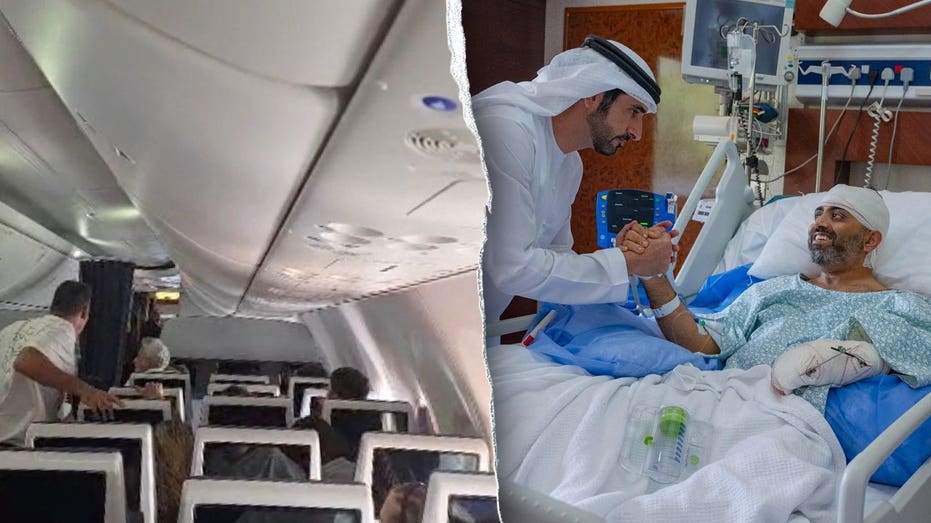
A retired Air Force and former commercial airline pilot has warned that terrorist cells could potentially operate within foreign airlines. His comments followed an alleged cockpit attack on a FlyDubai flight traveling from the United Arab Emirates to Tel Aviv on September 30, 2026. The aircraft made an emergency landing in Tabuk, Saudi Arabia, after the copilot reportedly attacked the captain with a crash ax. Investigators are examining possible terrorism, radicalization and mental health factors, but no definitive motive has been established.
The incident has renewed questions about how airlines vet pilots, cabin crew and airport personnel, particularly when crews operate across international borders. The retired pilot said current systems often rely heavily on background checks and self-reporting, which may not identify later personality changes or radicalization.
| 1) | Alleged cockpit attack forces emergency landing |
| 2) | Retired pilot raises concerns about terrorist infiltration |
| 3) | Airline screening may miss later radicalization |
| 4) | Cockpit crash ax highlights a security vulnerability |
| 5) | Calls grow for scrutiny of foreign crews |
Alleged cockpit attack forces emergency landing
The incident involved a FlyDubai Boeing 737 flying from the United Arab Emirates to Tel Aviv on Wednesday, September 30, 2026. The flight carried 174 passengers and eight crew members. According to reports, the copilot allegedly attacked the captain during the flight, reportedly using the crash ax stored behind the copilot’s seat. The aircraft landed safely in Tabuk, Saudi Arabia, after the emergency.
Passengers and other crew members reportedly helped prevent the situation from becoming a complete loss of control. Authorities are still determining why the attack occurred and whether it was connected to terrorism, Islamist radicalization or a mental health crisis. Those possibilities remain under investigation.
Retired pilot raises concerns about terrorist infiltration
Buzz Patterson, who previously served as a U.S. Air Force lieutenant colonel and flew for a major U.S. airline, said terrorist cells could exist inside overseas airline companies. He argued that the possibility deserves close examination by U.S. law enforcement and aviation authorities, especially when foreign carriers operate in or enter U.S. airspace.
“It’s possible that terror cells can exist inside airline companies, overseas probably a lot easier than here, but it’s certainly a possibility.”
The warning concerns more than pilots. Patterson said cabin crew, airport workers and other employees with access to aircraft may also require effective screening. He said airlines must consider both the identity of applicants and whether their behavior changes after hiring.
Airline screening may miss later radicalization
Airlines commonly review applicants’ backgrounds, medical histories and aviation records before employment. Patterson said these checks may not detect a person who becomes radicalized after joining an airline, particularly if the employee does not report changes in beliefs or activities.
He also noted that pilots frequently work with colleagues they have never met before. Flight crews may have limited time to understand one another’s personal circumstances, mental state or recent behavior. Informal conversations can reveal concerns, he said, but they cannot provide a complete security assessment.
“You never know what you’re going to find in the cockpit next to you when you first get to the cockpit.”
Cockpit crash ax highlights a security vulnerability
The reported use of the crash ax has drawn attention to equipment kept inside the cockpit for emergencies. Patterson said the tool is placed behind the copilot’s seat on Boeing 737 aircraft so pilots can break through a door or window if necessary.
He said the close quarters of a 737 cockpit could allow a pilot to stand, stretch and reach the ax without immediately attracting attention. The equipment is intended for emergency use, but the incident has raised questions about whether existing cockpit procedures adequately address the possibility of an insider attack.
Calls grow for scrutiny of foreign crews
Patterson urged the United States to examine not only domestic airline hiring but also the foreign crews permitted to operate flights into American airspace. He said international carriers use different hiring and security practices, and that some may cast a wider net when recruiting pilots and other aircrew members.
Israeli officials also said the alleged attacker was an Omani national who had entered the flight crew system despite restrictions involving pilots from countries without diplomatic relations with Israel. Officials have suggested that a regulatory loophole may have played a role, although the broader circumstances remain under review.
| Number | Key Point |
|---|---|
| 1 | A FlyDubai flight made an emergency landing after an alleged copilot attack. |
| 2 | The motive has not been established and may involve terrorism or mental health factors. |
| 3 | The retired pilot questioned whether self-reporting can detect radicalization. |
| 4 | The crash ax’s location inside the cockpit has become a security concern. |
| 5 | Authorities face calls to review foreign crews operating in international airspace. |
Summary
The FlyDubai incident has intensified debate over aviation security and insider threats. While investigators have not confirmed terrorism as the motive, the alleged attack has exposed the difficulty of assessing employees after they have passed initial hiring checks. Any response will need to balance effective screening with reliable evidence and due process.
Frequently Asked Questions
What happened on the FlyDubai flight?
A copilot allegedly attacked the captain during a flight from the United Arab Emirates to Tel Aviv. The aircraft then made an emergency landing in Tabuk, Saudi Arabia.
Was terrorism confirmed as the motive?
No. Investigators were examining terrorism, radicalization and mental health factors, but the motive had not been confirmed.
Why is the cockpit crash ax part of the security discussion?
The crash ax is stored in the cockpit for emergencies, but reports that it was allegedly used during the attack have prompted questions about access to the tool and cockpit security procedures.