
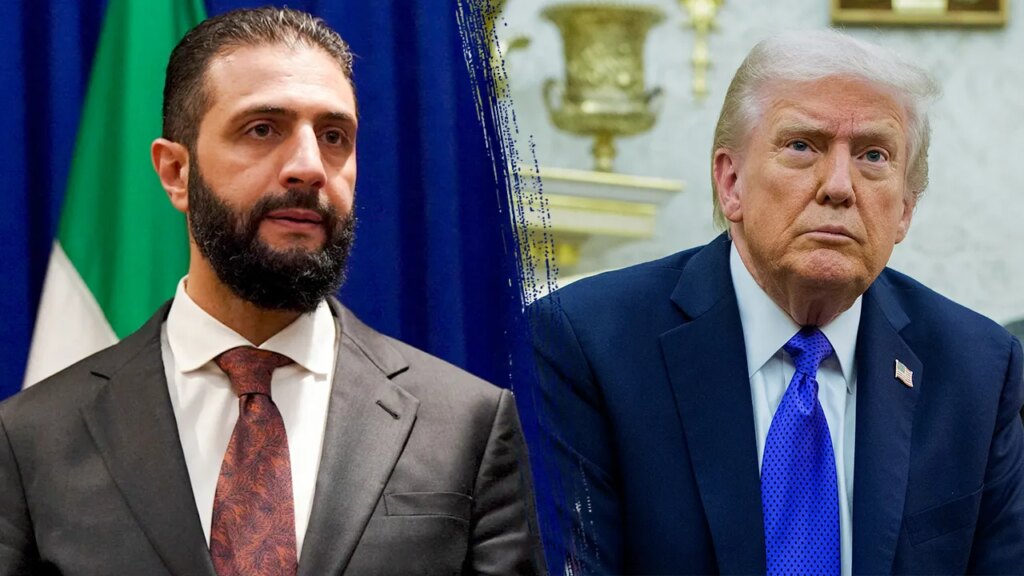
In a significant diplomatic gesture, the United States has officially removed Syria from its designation as a state sponsor of terrorism. This important decision comes as Secretary of State Marco Rubio announced that it clears major obstacles to investment and economic recovery in the war-torn nation. Fueling this move is acknowledgment of Syria’s efforts under President Ahmed al-Sharaa to combat terrorism and align with international standards, marking a pivotal shift in U.S.-Syria relations.
| Article Subheadings |
|---|
| 1) U.S. Lifts Syria’s Terrorism Designation |
| 2) Historical Context of Syria’s Designation |
| 3) Reaction from Syrian Officials and Experts |
| 4) Economic Implications of Sanctions Relief |
| 5) Future Prospects for U.S.-Syria Relations |
U.S. Lifts Syria’s Terrorism Designation
On Monday, the U.S. government formally rescinded Syria’s designation as a state sponsor of terrorism. This landmark decision followed Secretary of State Marco Rubio declaring that the change is necessary for Syria’s economic recovery and development. The rescission procedure was initiated after a mandatory Congressional notification period, which lasted 45 days. It reflects an intention to foster a new era of cooperation and investment in the region.
According to Rubio, this marks a “historic step” aimed at allowing the Syrian people a chance at prosperity. In addition to removing Syria’s designation, the U.S. has consequently delisted the militant group Hay’at Tahrir al-Sham (HTS) from its terrorist list. Rubio underscored that these actions pave the way for new economic and political opportunities within Syria.
Historical Context of Syria’s Designation
Syria has been listed as a state sponsor of terrorism since 1979, a designation that remained effective throughout the governance of former President Bashar al-Assad. The U.S. imposed this label due to Syria’s alleged support for various terrorist organizations. However, the political landscape began to shift dramatically after President al-Sharaa, who led an offensive that ousted Assad in December 2024, took power.
With the advent of al-Sharaa’s administration, there have been notable changes in Syria’s approach to international terrorism. The new government officially joined the Global Coalition to Defeat ISIS last November while launching operations aimed at dismantling ISIS and associated terror networks. This reorientation seems to have played a significant role in the U.S. decision to lift the terrorism designation.
Reaction from Syrian Officials and Experts
The response to this administration’s announcement from Syrian officials has been overwhelmingly positive. Syrian Foreign Minister Asaad al-Shibani informed international news outlets that the removal of the terrorism label significantly aids Syria’s reintegration into the global financial system. Al-Shibani noted that this decision eliminates obstacles that have restrained trade and investment in Syria for over a decade.
Economic analysts assert that this step aligns with broader geopolitical strategies in the region, aimed at stabilizing Syria after years of conflict. They believe that lifting the designation may serve as an impetus for foreign investments, fostering much-needed economic growth in a country battered by war and sanctions.
Economic Implications of Sanctions Relief
The economic ramifications of rescinding Syria’s designation as a state sponsor of terrorism are profound. Treasury Secretary Scott Bessent emphasized that this action would facilitate investment and help restore political and economic stability in Syria. It reflects President Trump’s ongoing efforts to deliver sanctions relief to regions striving for recovery.
Following nearly 14 years of war devastation, Syria’s economy has been in desperate need of revitalization. With the lifting of sanctions, various sectors — including construction, energy, and agriculture — may see an influx of investment, potentially leading to job creation and an increased standard of living for Syrian citizens.
Future Prospects for U.S.-Syria Relations
The unfolding scenario also points toward a potential thaw in long-tense U.S.-Syria relations. By formally acknowledging Syria’s efforts to distance itself from terrorism, the U.S. may open doors to diplomatic dialogue previously hindered by sanctions and hostility.
In a broader context, officials argue that enhanced cooperation may lead to shared intelligence on terrorist groups and bolster security functions within Syria. Nonetheless, challenges lie ahead as the U.S. must navigate a complex landscape of regional politics, including alliances and racial divides within the country.
| No. | Key Points |
|---|---|
| 1 | The U.S. has removed Syria from its list of state sponsors of terrorism. |
| 2 | Secretary of State Marco Rubio indicates this move aims to boost Syria’s economic recovery. |
| 3 | Syria’s designation had been in place since 1979, largely under the rule of Bashar al-Assad. |
| 4 | Syria’s current government has taken substantial steps to combat terrorism. |
| 5 | Experts believe lifting the designation will encourage foreign investment and assist in rebuilding efforts. |
Summary
The decision by the United States to remove Syria’s designation as a state sponsor of terrorism marks a pivotal moment in the country’s post-war recovery and its relations with the global community. This strategic move underscores a significant shift in U.S. foreign policy and conveys hope for economic revitalization in Syria. As the nation begins to emerge from years of conflict, it faces both opportunities and challenges on its path toward stability and growth.
Frequently Asked Questions
Question: Why was Syria designated as a state sponsor of terrorism?
Syria was placed on the list due to its support for various terrorist organizations and hostile activities in the region. The designation has been in effect since 1979.
Question: What impact will lifting the terrorism designation have on Syria’s economy?
Lifting the designation is expected to encourage foreign investment and trade, facilitating Syria’s reintegration into the global financial system and boosting its economic recovery.
Question: Who is President Ahmed al-Sharaa?
President Ahmed al-Sharaa came to power after leading an offensive that ousted Bashar al-Assad in December 2024 and has since worked to distance Syria from terrorism and foster international cooperation.