
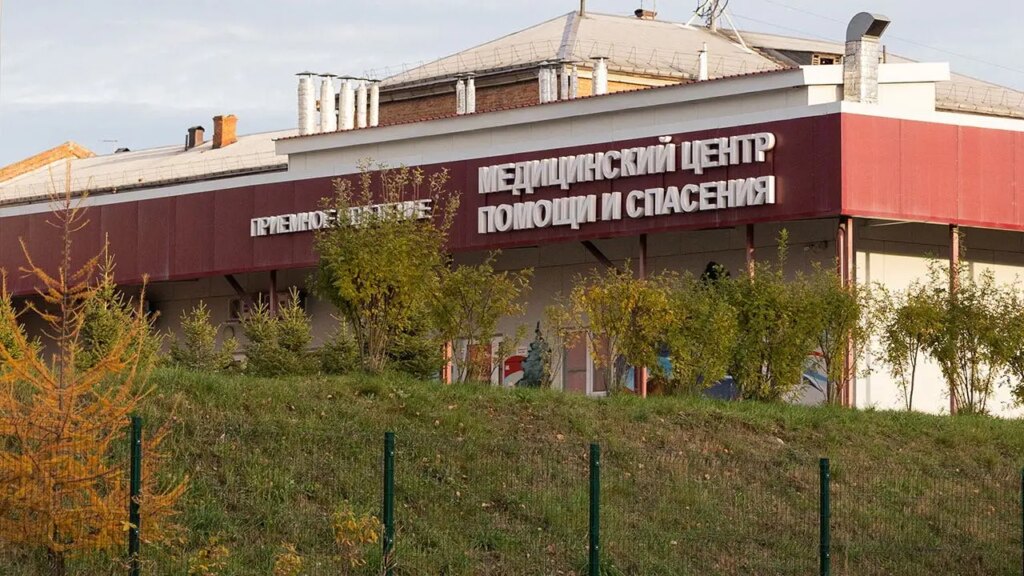
Concerns about a potential outbreak of a deadly pathogen in Russia have intensified following the pneumonia-related death of a researcher at the Irkutsk Anti-Plague Institute. The incident has drawn alarm from U.S. officials, who emphasize the importance of transparency in health matters involving infectious diseases. With the backdrop of historical biological weapon development in Russia, experts are calling for rigorous scrutiny into the circumstances surrounding the researcher’s death to determine whether a more severe threat could be at play.
| Article Subheadings |
|---|
| 1) Unexplained Death at a Research Institution |
| 2) Historical Context of Bioweapons Development |
| 3) Reactions from Health Authorities |
| 4) Potential Implications for Public Health |
| 5) International Response and Monitoring |
Unexplained Death at a Research Institution
A 28-year-old employee of the Irkutsk Anti-Plague Institute of Siberia and the Far East passed away last week, described by Russian officials as pneumonia of undetermined origin. The incident occurred at a facility renowned for its research and vaccination efforts against infectious diseases. Initial reports indicate that the woman fell ill and developed symptoms that led to her untimely death. While Russian authorities have stated that there is no direct evidence linking her illness to the pathogens she worked with, the absence of identified pathogens in her testing has raised questions about the true cause of her pneumonia.
Following her death, testing conducted on around 60% of her identified close contacts revealed only cases of COVID-19 and rhinoviruses. Despite this, biosecurity experts remain vigilant, considering the potential implications if the cause of her illness is linked to something more sinister. Many experts are wary, with observers calling for an in-depth investigation to ensure that there isn’t an uncontained outbreak that could pose risks to both the local and international communities.
Historical Context of Bioweapons Development
The occurrence of an unexplained death within such a facility stirs memories of the Soviet Union’s extensive, clandestine biological weapons program, which has drawn scrutiny from U.S. officials for its longevity and secrecy. Decades after the dissolution of the Soviet regime, the survival of components of this program continues to be a matter of international concern. Marshall Billingslea, a former U.S. arms control envoy, has emphasized that the scale of such biological weapon development may exceed the public’s understanding.
Historical allegations claim that specific strains of pathogens, like antibiotic-resistant plague, were engineered during the Soviet era. Alarmingly, the Irkutsk Institute was previously implicated in developing weaponized versions of various diseases. This historical context becomes crucial as analysts examine the implications of the recent death, noting that the potential for antibiotic resistance could make any outbreak significantly more dangerous than traditional strains.
Reactions from Health Authorities
The recent incident prompted responses from international health organizations, with officials from the World Health Organization (WHO) stating no high-threat pathogens were detected among the deceased researcher’s close contacts. However, the disconnect between Russia’s assurances and the ongoing concerns among experts speaks to the distrust that dogged the nation’s transparency regarding its biological research practices. Kevin Esvelt, a professor specializing in biological security at MIT, highlighted that pneumonia deaths typically correlate with identifiable pathogens, raising skepticism about why investigators have not conclusively determined the illness’s cause.
Authorities have undertaken swift containment measures, reinforcing monitoring and biosafety protocols in the region. Increased testing among identified contacts aims to ensure that there isn’t an undiscovered sickness lurking in the close network of the deceased researcher. This urgency in response can be seen as both a proactive public health strategy and an attempt to safeguard international borders from a possible outbreak.
Potential Implications for Public Health
The implications stemming from the unexplained pneumonia case are significant. If the illness was indeed caused by a highly infectious or lethal pathogen, it could herald a public health crisis on a global scale. In light of this, U.S. officials—including Secretary of State Marco Rubio—have reiterated the essential nature of vigilance, emphasizing the potential risks posed to international health security should pathogens escape Russian borders.
“If something like that gets out, it could quickly spread,”
Rubio stated, reflecting growing concern among health officials.
With the interconnected nature of today’s global society, any infectious disease outbreak has the potential to spread far beyond its point of origin. Heightened awareness and preparedness are vital, particularly given the history of biological research facilities veering into unexplained territories of bioengineering. Experts are pressing for clarity and transparency from Russian authorities to mitigate risks and prevent a scenario where public health is jeopardized.
International Response and Monitoring
The Trump administration has committed to closely monitoring the situation with an emphasis on sustained engagement with Russian officials. The ongoing dialogue is necessary to facilitate information sharing, particularly concerning any future health crises. American officials have reiterated their readiness to provide assistance if required, recognizing that infectious diseases show no respect for geopolitical divides.
In addition to discussions with Russian authorities, global entities are typically placed on alert when such incidents arise; the international community must prepare for the possibility of cross-border implications. The historical context adds urgency to the discourse surrounding biosecurity, highlighting the necessity for strict adherence to the Biological Weapons Convention, something Russian authorities have historically denied violating, despite persistent allegations.
| No. | Key Points |
|---|---|
| 1 | A researcher’s unexplained death at the Irkutsk Institute raises biosecurity fears. |
| 2 | Historical developments in bioweapons raise concerns about the outbreak’s potential severity. |
| 3 | The WHO and other health authorities are actively engaged in monitoring the situation. |
| 4 | Public health implications could extend beyond Russia, stressing the need for vigilance. |
| 5 | The U.S. administration is prepared to provide assistance as the situation unfolds. |
Summary
The death of a researcher at a prominent Russian anti-plague research facility has ignited fears of a potential outbreak of deadly pathogens, with echoes of historical bioweapon development looming in the background. As both international health authorities and U.S. officials call for transparency and rigorous investigation, the incident serves as a critical reminder of the need for heightened biosecurity measures. Vigilance and international cooperation remain paramount to address the specter of infectious disease outbreaks that could endanger global public health.
Frequently Asked Questions
Question: What happened to the researcher in Russia?
A 28-year-old employee passed away from pneumonia of undetermined origin, raising fears about a possible infectious disease outbreak.
Question: Why are U.S. officials concerned about this incident?
U.S. officials highlight the potential implications for public health, especially given Russia’s history with biological weapons development.
Question: What measures are being taken following the death of the researcher?
Health authorities are conducting extensive testing among the deceased’s contacts and increasing surveillance to preempt any potential outbreak.