
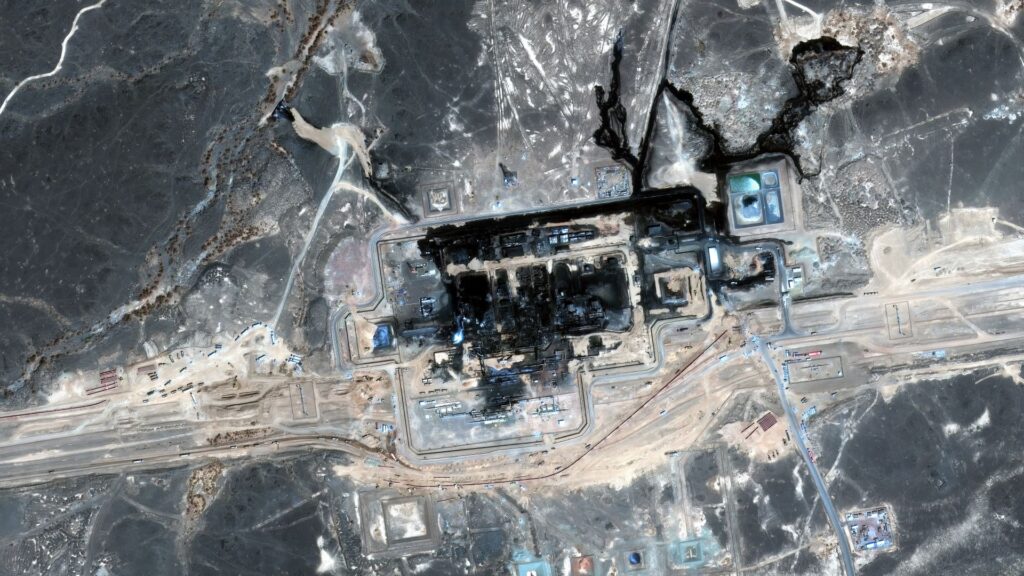
The global oil market faces increasing turmoil as Saudi Arabia grapples with the aftermath of recent drone attacks which have halted operations along its East-West pipeline. This crucial pipeline, pivotal for transporting crude oil, is currently incapacitated, jeopardizing 4 million barrels per day. With oil prices surging and supply chains under threat, analysts are warning that consumers will likely experience heightened prices at the pump in the near future due to tightening inventories and geopolitical tensions in the region.
| Article Subheadings |
|---|
| 1) Rapidly depleting oil inventories |
| 2) A ‘growing feedback loop’ |
| 3) Saudi Arabia’s response to attacks |
| 4) The impact on global oil prices |
| 5) Future outlook for the oil market |
Rapidly depleting oil inventories
Recent drone strikes, purportedly launched from Iraq, prompted Saudi Arabia to close its East-West pipeline as a precautionary measure. The Saudi government confirmed that the attacks resulted in injuries and targeted a critical segment of the pipeline linking Riyadh and Medina. This pipeline, approximately 750 miles long, has been essential in directing crude exports away from the strategically significant Strait of Hormuz amidst ongoing tensions between the U.S. and Iran. Following these attacks, analysts have expressed concerns that safety nets, which have historically kept oil prices in check, are diminishing due to the evident escalation of conflict in the Middle East.
According to investment manager Ninety One’s head of natural resources, Paul’s Gooden, global inventories have already been reduced by an alarming 1 billion barrels. He noted, “We’ve likely got another ~1bn to go before we hit tank bottoms, so we still have breathing space.” However, analysts caution that as the days pass with the East-West pipeline closed, the oil market is tightening, thus increasing the risk of further price surges.
A ‘growing feedback loop’
The damage caused by the drone attacks on the East-West pipeline has raised alarms regarding the timeline for repairs and potential long-term repercussions. Satellite imagery has revealed extensive destruction, leading to speculations that repairs might take significantly longer than expected—potentially even months. Andy Lipow, president of Lipow Oil Associates, indicated that the severity of the damage could result in extended downtimes. As of now, Riyadh has not publicly detailed the affected pumping stations nor established a clear timeline for recovery efforts.
The regional conflict has fostered a “growing feedback loop” that is exacerbating the situation, according to Torbjorn Soltvedt, principal Middle East analyst at Verisk Maplecroft. He pointed out that attacks on energy infrastructure and shipping routes are constricting oil exports, leading to further complications in the transportation of essential repair parts necessary to restore operations along the vital East-West pipeline. The currently disrupted pipeline previously facilitated the transport of more than 4 million barrels per day, with volumes now needing to funnel through the increasingly risky and congested Strait of Hormuz.
Saudi Arabia’s response to attacks
In the wake of the attacks, Saudi officials quickly moved to close the East-West pipeline, reflecting the urgency of protecting their energy infrastructure. This closure serves as a tactical measure to safeguard not only crude oil exports but also to prevent further disruptions in the Middle East’s already strained supply chain. Observers noted that recent behavior among Gulf countries suggests a collective mobilization to address the escalating threats from Iran and its proxies in the region.
The Saudi government has historically counted on the East-West pipeline to divert exports away from the Strait of Hormuz, especially given tensions surrounding important waterways essential for maintaining global oil supply. The attacks on September 11, 2026, coincide with heightened military engagements involving Iran and involve not only regional implications but also potential global ramifications. With crude prices already edging upward, the incapacity of the pipeline may drive further price spikes at gas stations worldwide.
The impact on global oil prices
The abrupt halt of operations along the East-West pipeline has repercussions for oil pricing that many consumers and analysts fear may manifest soon. In recent trading, international benchmark Brent crude futures for November delivery increased by 0.6% to $106.29 per barrel, marking a notable rise reflecting market responses to the uncertainty from the Middle East. Meanwhile, U.S. West Texas Intermediate futures also surged, trading 1.2% higher at $102.61. This recent spike represents an alarming trend with prices up over 25% in just a month.
The continued disruption has meant that oil traders are now considering the potential of more serious ramifications that could emerge if the situation remains unresolved. Janiv Shah, vice president of oil markets for Rystad Energy, noted, “The broader Middle East conflict is already putting a premium on crude,” highlighting how prices will continue to be influenced by developments in this ongoing crisis.
Future outlook for the oil market
The outlook for the oil market remains uncertain as stakeholders react to the fluid dynamics of supply and demand. The persistence of geopolitical tension could mean ongoing volatility in oil markets, consumers should brace for a sustained period of higher prices. Countries reliant on oil imports will have to navigate significant economic adjustments as they face the potential for reduced availability and increased prices.
Despite the current challenges, some market participants remain cautiously optimistic, anticipating that Saudi Arabia may leverage its significant inventories to cushion any exportability issues in the near term. However, analysts warn that if disruptions extend beyond current expectations, market dynamics could shift rapidly, triggering another round of major price reactions as inventories continue to dwindle.
| No. | Key Points |
|---|---|
| 1 | Saudi Arabia’s East-West pipeline is currently closed due to drone attacks. |
| 2 | The closure risks 4 million barrels per day of oil supply, driving prices upward. |
| 3 | Global oil inventories are dwindling, raising concerns about future supply. |
| 4 | Tensions between the U.S. and Iran are escalating, complicating the energy landscape. |
| 5 | Market analysts foresee sustained higher prices as regional conflicts continue. |
Summary
The recent closure of Saudi Arabia’s East-West pipeline amidst a backdrop of escalating geopolitical tensions has significant implications for global oil prices and supply chains. As inventories diminish and regional conflicts mount, the oil market faces unprecedented pressures, resulting in increased prices at gas pumps worldwide. The coming weeks will be crucial for assessing the full scale of the impacts on international crude supplies, with analysts closely monitoring the situation in hopes of averting further disruptions and instability.
Frequently Asked Questions
Question: What is the significance of the East-West pipeline?
The East-West pipeline is critical for Saudi Arabia as it transports a significant volume of crude oil away from the Strait of Hormuz, a strategically crucial waterway, thus safeguarding against geopolitical disruptions.
Question: How might consumers be affected by the current oil supply issues?
Consumers are likely to experience higher prices at the pump as tightening oil inventories and the closure of the East-West pipeline drive crude oil prices upward.
Question: What are the current trends in global oil prices?
Global oil prices are on the rise, with Brent and West Texas Intermediate futures recording significant increases due to the disruption caused by the attacks on the East-West pipeline.