
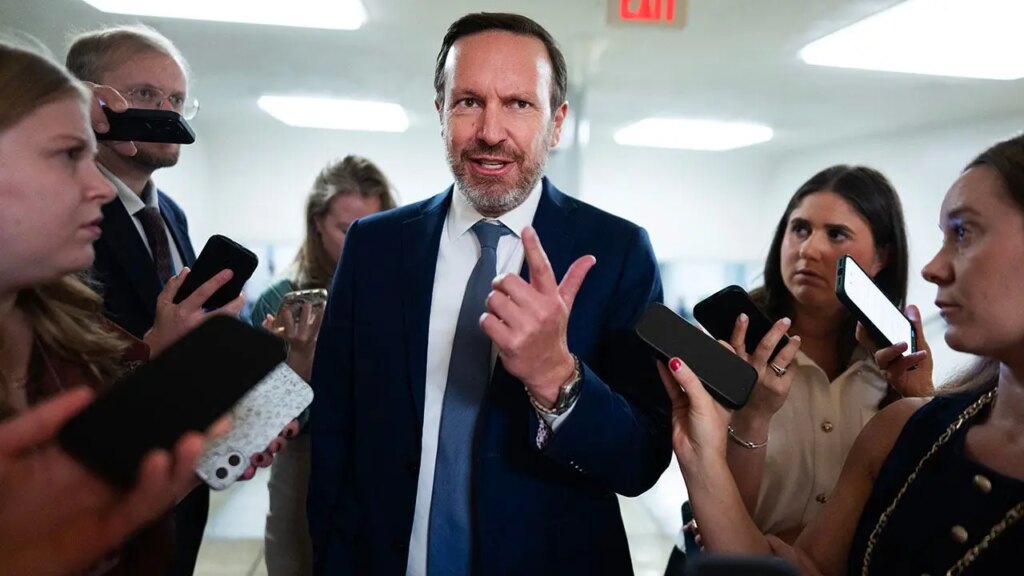
In a significant diplomatic effort amid ongoing regional conflict, Senator Chris Murphy from Connecticut has embarked on a groundbreaking visit to the Middle East. During a visit that included a meeting with Saudi Crown Prince Mohammed bin Salman, Murphy stressed the necessity of collaboration in ending the war in Iran and advancing the conversation toward the establishment of a Palestinian state. His statements reflect a commitment to fostering dialogue in a region fraught with tension and contention.
| Article Subheadings |
|---|
| 1) Senator Murphy’s Diplomatic Mission |
| 2) Key Issues Addressed by Murphy |
| 3) The Importance of Saudi Cooperation |
| 4) Murphy’s Broader Regional Context |
| 5) Significance of This Diplomatic Engagement |
Senator Murphy’s Diplomatic Mission
Senator Chris Murphy traveled to the Middle East with a clear agenda, aiming to address various geopolitical crises, particularly the ongoing war in Iran and the situation surrounding the Palestinian territories. Murphy’s journey began with his arrival in Qatar, where he initiated a series of high-level meetings to gauge the conflict’s impact and explore collaborative solutions. The senator’s diplomatic overture marks him as a key figure within the Democratic Party, advocating for a more nuanced approach to U.S. foreign policy in a region marked by historical grievances and complex diplomacy.
Arriving in the region on a Saturday, Murphy openly described himself as potentially the first Democratic senator to visit since conflict erupted earlier in the year. He emphasized the urgency of fostering dialogue and cooperation, particularly as the conflict continues to escalate and affect not only regional actors but also global dynamics. Murphy’s visit included essential discussions with prominent figures, setting a foundation that could influence the trajectory of U.S.-Middle Eastern relations moving forward.
Key Issues Addressed by Murphy
During his meeting with Crown Prince Mohammed bin Salman, Murphy articulated a range of issues paramount to both countries, specifically focusing on the end of hostilities in Iran and the pursuit of peace regarding the Palestinian state. Expressing his concerns over Saudi Arabia’s international policies, Murphy stressed that the conflict requires not only acknowledgment but active participation from Saudi Arabia to reach any viable solutions. “We’re not going to get a permanent end to this war without the Saudis’ help,” he stated, implying the indispensable role that Saudi cooperation could play in these high-stakes discussions.
In recounting his conversations, Murphy acknowledged past disagreements with the Saudi leadership, especially regarding their financial ties to former President Donald Trump and the ramifications of these affiliations on international diplomacy. His remarks pointed towards a recognition of the need for open dialogue about controversial aspects of relations with Saudi Arabia, particularly in the aftermath of the murder of journalist Jamal Khashoggi. “There’s got to be space for political dialogue and speech here in Saudi Arabia,” he remarked, emphasizing the importance of navigating the complex routes of diplomacy and dialogue.
The Importance of Saudi Cooperation
The Senator’s dialogue with the Saudi Crown Prince underscores the longstanding alliance between the United States and Saudi Arabia, a relationship often strained by conflicting priorities and human rights concerns. Murphy’s assertion that successful peace efforts in the region hinge significantly on Saudi involvement reflects an understanding of the geopolitical landscape in which the kingdom operates as a vital player. U.S. leaders have often criticized the Saudi regime for its handling of various regional issues and human rights records, but Murphy’s diplomatic approach emphasizes engagement over isolation.
For Murphy, discussions included not only the prospects for peace in Iran but also bridging gaps that have historically divided U.S. interests with those of Saudi Arabia. He pointed out the need for Saudi authorities to be receptive to new avenues of dialogue and alternative pathways that diverge from traditional approaches. By engaging with leadership that diverged sharply from the previous administration’s practices, Murphy aims to reestablish a dialogue that is conducive to effective governance and peacebuilding in the region.
Murphy’s Broader Regional Context
Senator Murphy’s diplomatic visit involved more than just talks with the crown prince; it was a comprehensive engagement intended to extend the dialogue to other key players in the region, which included the Emir of Qatar, Sheikh Tamim bin Hamad Al Thani. Murphy expressed gratitude for Qatar’s multifaceted support for U.S. interests, discussing the nation’s role as a crucial mediator in the ongoing conflict. His interactions reinforced the notion that diplomacy requires collaboration beyond immediate conflicts and encompasses a broader network of allies working toward a common goal.
The conflict with Iran and the situation in Palestine have ripple effects not only in their immediate locality but across the globe, highlighting the urgency of addressing these issues. Through meetings with various leaders, Murphy sought to develop paths that might facilitate ceasefire negotiations and sustainable peace in a region continually fraught with violence. By recognizing Qatar’s strategic roles as both a mediator and an ally, Murphy demonstrates the importance of alliances in pursuit of peace as global complexities rise.
Significance of This Diplomatic Engagement
This diplomatic engagement signifies an essential shift in the U.S. approach to Middle Eastern conflicts, particularly under the Biden administration. The recognition that U.S. influence in the region relies heavily upon strong relationships with allies, and at times adversaries, is becoming increasingly clear. Murphy’s visit adds a level of urgency to the political discourse surrounding the crisis in Iran and the Palestinian issue, potentially signaling a more proactive American role in mediating conflicts.
The implications of Murphy’s visit extend beyond immediate diplomatic relations; rather, this engagement represents a reevaluation of how the U.S. collaborates with pivotal nations to foster peace and stability. Strengthening ties with Saudi Arabia is not just about addressing current conflicts but also about laying down frameworks for collaborative future relations, paving the way for a better regional strategy that focuses on peace and mutual respect among nations. Overall, Murphy’s approach highlights the potential for transformative leadership in U.S. foreign policy.
| No. | Key Points |
|---|---|
| 1 | Senator Murphy emphasizes the importance of U.S.-Saudi cooperation to resolve the Iran crisis and address Palestinian statehood. |
| 2 | Murphy’s visit marks a significant diplomatic push, being one of the first Democratic visits since the onset of the war in Iran. |
| 3 | The senator confronts Saudi Arabia’s past actions, advocating for open dialogue surrounding contentious issues. |
| 4 | Murphy’s meetings highlight Qatar’s critical role as a mediator and U.S. ally in the region. |
| 5 | This diplomatic effort underscores a potential shift in U.S. foreign policy toward more engaging and cooperative strategies in the Middle East. |
Summary
In conclusion, Senator Chris Murphy’s visit to Saudi Arabia underscores the complexities of diplomatic relations in a region marked by conflict and historical animosities. His dedication to fostering dialogue with crucial leaders, including Crown Prince Mohammed bin Salman, reflects a strategic vision for U.S. involvement in Middle Eastern issues, particularly regarding the ongoing war in Iran and the aspirations for a Palestinian state. This visit highlights the continuing importance of diplomatic engagement as a necessary tool in navigating an increasingly multifaceted geopolitical landscape.
Frequently Asked Questions
Question: What are the key objectives of Senator Murphy’s trip to the Middle East?
Senator Murphy’s trip aims to address the ongoing war in Iran and to pursue pathways toward establishing a Palestinian state through strengthened U.S.-Saudi diplomatic ties.
Question: Why is Saudi cooperation considered crucial in the context of U.S. foreign policy?
Saudi Arabia is viewed as an essential ally in the efforts to achieve peace in Iran and the broader region, making their cooperation vital for effective conflict resolution.
Question: How does Murphy’s engagement reflect a change in U.S. foreign policy?
Murphy’s diplomatic approach indicates a potential shift towards more collaborative, dialogue-driven strategies in U.S. foreign policy, aimed at addressing complex regional issues more effectively.