
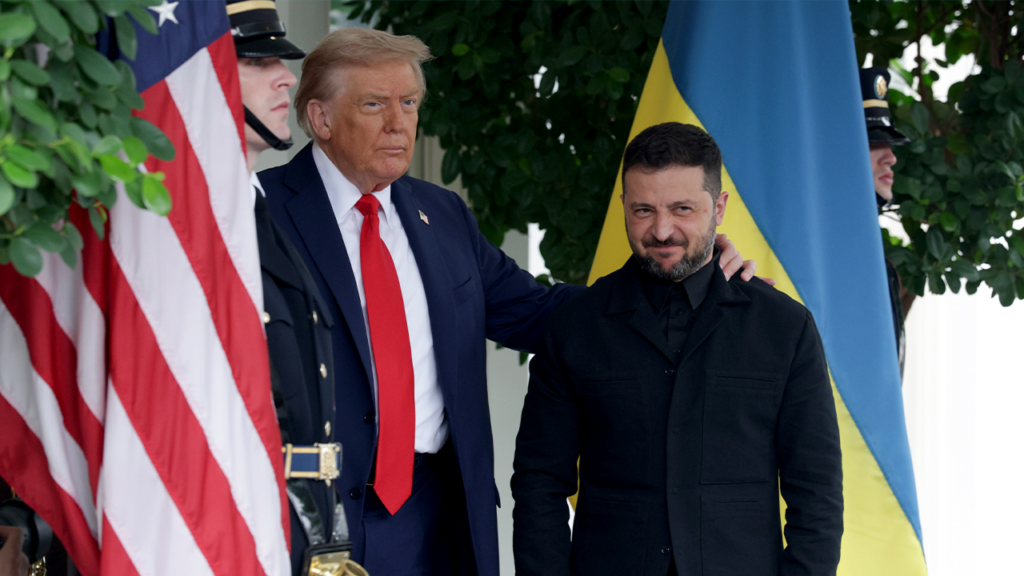
The ongoing geopolitical tensions surrounding Russia’s aggressive actions in Ukraine have intensified as the U.S. Senate passes a comprehensive sanctions bill aimed at Moscow, coinciding with Ukrainian President Volodymyr Zelenskyy‘s diplomatic efforts to secure additional air-defense assistance from European allies. The recent congressional actions and statements from political figures underscore a reshaping of leadership narratives on the global stage. Key discussions involve U.S. involvement in supporting Ukraine amid criticism of the country’s leadership role, highlighting a significant moment in U.S. foreign policy and international relations.
| Article Subheadings |
|---|
| 1) Senate Sanctions Bill Targeting Russia Passed |
| 2) Comments from Sen. Chris Coons Spark Controversy |
| 3) The Role of Zelenskyy in the Global Landscape |
| 4) The Push for Increased Aid to Ukraine |
| 5) Reactions from American Politicians and Public |
Senate Sanctions Bill Targeting Russia Passed
In a significant legislative move, the U.S. Senate has passed a robust sanctions bill aimed at penalizing Russia for its ongoing military actions in Ukraine. This decision comes as heightened geopolitical tensions have drawn international focus on the conflict, which has now extended beyond four years. The bill reflects bipartisan support among U.S. lawmakers who are concerned about Russia’s military aggression and the implications it holds for global security. The decision to impose further sanctions is part of a larger strategy to weaken Russia’s economic capabilities, thereby limiting its ability to sustain its military efforts.
The bill, which includes measures such as asset freezes and restrictions on Russian banking, aims to demonstrate U.S. commitment to ally nations and to uphold international norms. The timing of this legislation aligns closely with ongoing discussions about the importance of international cooperation in addressing aggressions from authoritarian regimes, notably in the context of the support for Ukraine. The Senate’s backing signals a clear message of solidarity with oppressed nations and emphasizes the role of international diplomacy in fostering peace and stability.
Comments from Sen. Chris Coons Spark Controversy
Amid these political developments, Delaware Senator Chris Coons has provoked a significant backlash with comments that have been interpreted as diminishing the United States’ historical leadership role in global affairs. During a recent town hall meeting, he stated, “We are no longer the leaders of the free world,” instead attributing that status to President Zelenskyy, who he claimed was putting his country on the line for freedom. This statement has drawn attention and criticism from various political circles, highlighting the contentious debate surrounding national pride and leadership in the contemporary international arena.
Critics have labeled Coons’ remarks as “anti-American,” suggesting that they reflect a troubling trend where American values and leadership are underappreciated or overlooked. The backlash against Coons not only stems from partisan divides but also touches on a broader discussion about what it means to be a leader on the world stage, especially in the face of competing narratives and pressures from both domestic and international fronts. The fallout from Coons’ comments illustrates a deep rift in perspectives regarding America’s role in the world, particularly in support of democratic nations facing oppression.
The Role of Zelenskyy in the Global Landscape
President Volodymyr Zelenskyy has emerged as a prominent figure on the international stage, particularly since the onset of the Russian invasion of Ukraine in 2022. His leadership during this crisis has garnered acclaim, framing him as a symbol of resistance against tyranny. The ongoing conflict has propelled Zelenskyy to the forefront of conversations about freedom, democracy, and international solidarity. As he meets with allies across Europe, his push for enhanced military support underscores the gravity of the situation in Ukraine and the expectation for continued Western engagement.
His recent meetings with leaders in Europe have included discussions about air-defense systems, which have become crucial in the face of ongoing Russian air assaults. Zelenskyy’s ability to mobilize international support hinges on his persuasive diplomatic efforts and the framing of Ukraine’s struggle as a global fight for democratic values. His leadership challenges traditional notions of global leadership, suggesting that effective leadership can emerge from nations under siege rather than from historically dominant powers.
The Push for Increased Aid to Ukraine
Amid escalating hostilities, there is a concerted effort among Ukrainian and Western leaders to secure increased military aid. Zelenskyy’s persistent appeals for air-defense systems have resonated significantly as Ukraine grapples with the realities of prolonged warfare. The need for enhanced defense capabilities has become even more pressing, considering the ongoing threats from Russian forces that continue to target civilian infrastructure and military installations alike.
The U.S. and its allies are not only focusing on immediate military support but also engaging in discussions about long-term strategies to strengthen Ukraine’s defense capabilities. This includes analyzing the potential for Ukraine to independently produce advanced weaponry like the Patriot missile systems, which could significantly improve their defensive posture. The commitment of resources and military technology is crucial in determining the outcome of this conflict, reflecting a broader commitment from NATO and European nations to support Ukraine’s sovereignty.
Reactions from American Politicians and Public
The contrasting reactions to Coons’ remarks highlight a growing divide among American politicians and the public regarding the nation’s role in global leadership. Some conservative factions have rallied around the critique of Coons, denouncing his claim and framing it as indicative of a growing anti-American sentiment within certain political circles. This has been exacerbated by social media feedback, where users and commentators have expressed outrage at Coons’ assertions, calling them harmful and detrimental to national pride.
In contrast, proponents of Coons’ perspective argue that recognizing Zelenskyy as an emerging leader is crucial in understanding the current geopolitical landscape. They assert that acknowledging the agency of foreign leaders reflects a realistic appraisal of global dynamics and the need for shared responsibility in promoting democratic values worldwide. This dialogue illuminates the complexities of American identity in the context of foreign policy, where national pride and international cooperation must navigate a multifaceted global reality.
| No. | Key Points |
|---|---|
| 1 | The U.S. Senate has passed a sweeping sanctions bill targeting Russia. |
| 2 | Senator Chris Coons’ remarks about U.S. leadership have sparked significant backlash. |
| 3 | Ukrainian President Zelenskyy is seen as a rising leader in the global context. |
| 4 | There is an intensified push for increased military aid to Ukraine. |
| 5 | Reactions to Coons’ comments reflect a significant divide in American political sentiment. |
Summary
The recent events surrounding the passage of the sanctions bill by the U.S. Senate and the diplomatic engagements of President Zelenskyy underscore a pivotal moment in international relations and U.S. foreign policy. As the landscape continues to evolve, discussions about leadership, responsibility, and international engagement are becoming increasingly relevant. The contrasting reactions to statements from figures like Senator Coons illustrate the complexities of America’s identity on the global stage and the ongoing narrative regarding support for democracy and freedom.
Frequently Asked Questions
Question: What did the Senate’s sanctions bill entail?
The sanctions bill passed by the U.S. Senate includes various measures aimed at penalizing Russia for its ongoing military actions in Ukraine, such as asset freezes and banking restrictions.
Question: Why did Sen. Chris Coons’ comments cause controversy?
Coons stated that the U.S. is “no longer” the leader of the free world, attributing that title to Ukrainian President Zelenskyy, which sparked backlash and accusations of being anti-American from various political circles.
Question: What kind of military aid is Ukraine seeking?
Ukraine is seeking enhanced air-defense systems in light of ongoing Russian attacks, with discussions focusing on potential U.S. support for Ukraine to independently produce advanced weaponry.