
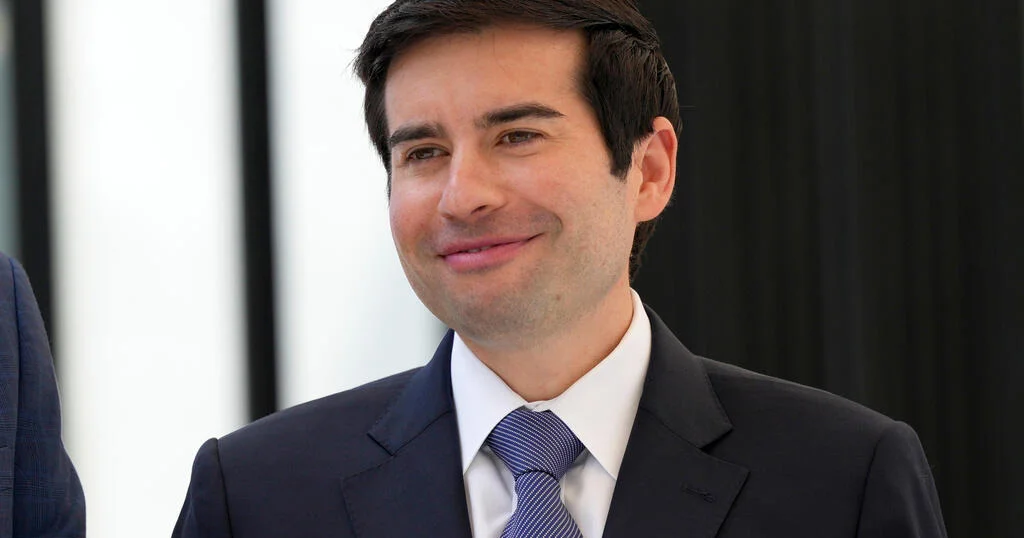
In a significant political move, the Senate confirmed Keith Sonderling as the new Secretary of Labor, marking an official transition from the interim role he has been fulfilling since April. The confirmation came after a narrow party-line vote of 47 to 41, solidifying Sonderling’s position as he aims to address ongoing concerns regarding workplace practices and the Labor Department’s internal environment. This appointment follows a series of Cabinet changes under the Trump administration, underscoring the dynamic nature of the current political landscape.
| Article Subheadings |
|---|
| 1) Confirmation Vote Details |
| 2) Background of Keith Sonderling |
| 3) Previous Labor Secretary’s Controversies |
| 4) Implications of Sonderling’s Confirmation |
| 5) Future Directions for the Department of Labor |
Confirmation Vote Details
On Wednesday, the Senate confirmed Keith Sonderling to lead the Department of Labor in a tight, partisan vote of 47 to 41. This confirmation came as senators prepared to leave for the campaign trail ahead of the midterm elections, making it a priority for the legislative agenda. Each party’s votes were largely indicative of their contrasting views on labor issues, with Democrats largely opposing the nomination. The decision reflects the ongoing ideological divides in Congress regarding labor policies and the future direction of the Department of Labor.
Background of Keith Sonderling
Sonderling’s career has spanned various roles within the Department of Labor and the Equal Employment Opportunity Commission (EEOC) during President Trump’s first term. He has extensive experience in employment and labor law, having previously worked at a law firm in Florida. His appointment as secretary comes after he served as the acting secretary since April, succeeding Lori Chavez-DeRemer, who vacated the position to pursue opportunities in the private sector. The President praised Sonderling in his nomination speech, emphasizing his commitment to serve “the hardworking people” of America, which resonates with the administration’s broader economic agenda.
Previous Labor Secretary’s Controversies
The change in leadership follows significant controversies surrounding former Secretary Lori Chavez-DeRemer. Reports surfaced detailing her management style as creating a “toxic, intimidating, and humiliating” workplace environment. An internal investigation by the department’s inspector general criticized her for violating multiple department policies. This scrutiny was compounded by her alleged loss of trust with colleagues, including Sonderling. Such a backdrop of contention highlights the challenges that will confront Sonderling as he steps into his new role and sets the tone for his leadership.
Implications of Sonderling’s Confirmation
Sonderling’s confirmation has implications that extend beyond personnel changes. His leadership will influence national labor policies during a critical political period, especially as the country grapples with economic recovery and workplace reforms. The Labor Department plays a vital role in addressing the needs and rights of workers, and Sonderling’s decisions will likely shape guidelines around workplace safety, wage standards, and enforcement of labor laws. His approach will cater to the goals of the current administration while attempting to bring stability to the department following the upheaval of Chavez-DeRemer’s tenure.
Future Directions for the Department of Labor
Looking ahead, Keith Sonderling faces the essential task of developing a clear vision for the Department of Labor amidst ongoing scrutiny. He is expected to focus on creating a more inclusive workplace environment to address the criticisms leveled at his predecessor. Balancing the need for stringent oversight and support for workers’ rights, he will also need to tackle persistent issues such as wage disparities and the gig economy’s impact on labor standards. How Sonderling will navigate these challenges could define his tenure and lead to lasting changes in labor policy.
| No. | Key Points |
|---|---|
| 1 | The Senate confirmed Keith Sonderling as Secretary of Labor in a 47 to 41 vote. |
| 2 | Sonderling has served in various roles within the Department of Labor and EEOC during Trump’s administration. |
| 3 | His confirmation follows the controversial tenure of Lori Chavez-DeRemer, who faced significant criticism. |
| 4 | Sonderling will influence national labor policies at a crucial time as the country recovers economically. |
| 5 | Future actions by Sonderling will focus on workplace inclusivity and addressing workers’ rights. |
Summary
The confirmation of Keith Sonderling as Secretary of Labor is a notable development in the Trump administration’s ongoing efforts to shape labor policies. Following a contentious tenure marked by internal strife, Sonderling’s leadership comes with the expectation of addressing both the concerns raised during his predecessor’s time and the broader challenges facing American workers today. His actions in the role will likely influence the future of labor relations in the country as the administration continues to navigate its economic agenda.
Frequently Asked Questions
Question: What role does the Secretary of Labor play?
The Secretary of Labor oversees the Department of Labor, which is responsible for enforcing federal labor laws, promoting the welfare of job seekers, and overseeing workplace safety standards.
Question: How does the confirmation process work for a cabinet member?
Cabinet members are nominated by the President and must be confirmed by the Senate. This process typically involves hearings and a vote by the Senate, which can be influenced by the political makeup of the chamber.
Question: What challenges might Keith Sonderling face as Secretary of Labor?
Sonderling may face challenges related to improving workplace environments, addressing worker rights, and implementing labor policies while navigating the political dynamics of Congress and public expectations.