
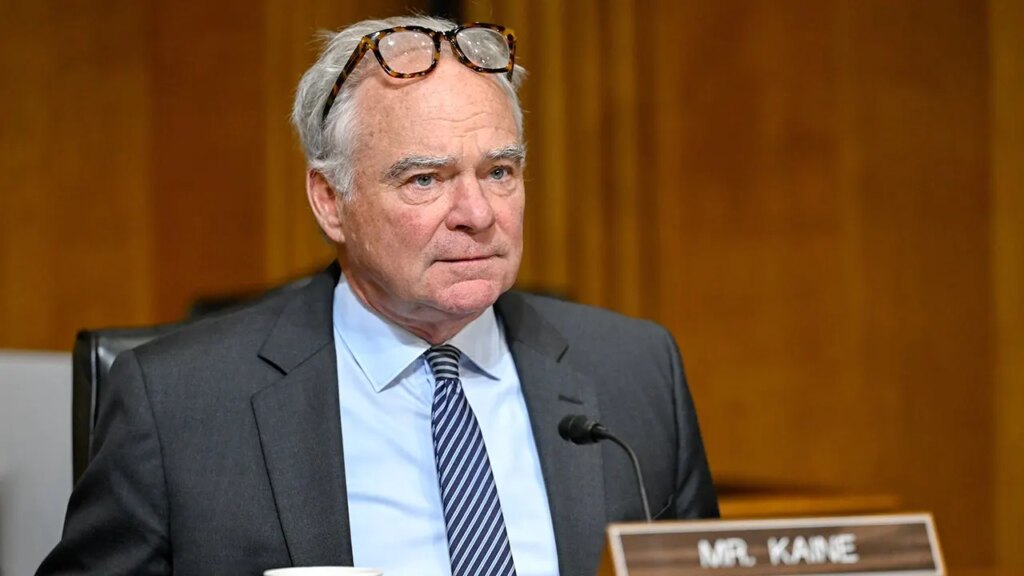
Senator Tim Kaine of Virginia has raised significant concerns regarding the U.S. military’s strikes against alleged narco-traffickers, asserting that innocent lives may have been lost in these operations. In a letter to President Donald Trump, Kaine labeled the deceased as “murder victims” and called for a thorough examination of military actions taken under the President’s directive. This situation raises essential questions about the legality and ethics of these military operations directed against various targets purportedly linked to narcotrafficking.
| Article Subheadings |
|---|
| 1) Background of Military Operations |
| 2) Senator Kaine’s Concerns |
| 3) Official Responses |
| 4) Legal Implications of Military Strikes |
| 5) Broader Impact on Policy |
Background of Military Operations
The U.S. military has intensified its operations against alleged drug trafficking organizations, focusing on boat strikes against vessels linked to these activities. This move came after President Donald Trump‘s directive in late July 2025 to the Department of Defense to launch a series of “kinetic operations” in international waters primarily across the Americas. The operations, according to officials, are aimed at disrupting narcotrafficking networks and preventing drugs from flooding into the United States.
These military actions were not isolated incidents but part of a broader strategy by the Trump administration to combat narcoterrorism. The government has claimed that these operations are necessary for safeguarding American communities from the adverse effects of narcotics. The specific criteria for targeting were classified, making it difficult for outside observers to fully understand the scope and ethical considerations of the engagements.
Senator Kaine’s Concerns
In his letter to President Trump, Senator Kaine expressed profound concerns about the potential ramifications of these strikes. He highlighted that evidence suggests that the operations have resulted in fatalities beyond just those engaged in narcotrafficking. Kaine pointed out that the classification of the target list has led to a lack of awareness among those who might be affected, putting innocent lives at risk.
Kaine declared that the evidence he reviewed indicated that the U.S. military had conducted lethal actions against individuals who were not part of the drug trafficking networks. He implored the President to investigate the extent to which the Department of Defense has acted beyond the initial orders outlined in Trump’s July 2025 directive.
Official Responses
White House spokesperson Anna Kelly addressed Senator Kaine’s concerns by affirming the administration’s commitment to combating narcoterrorism. In a statement, she remarked, “On the campaign trail, President Trump promised to take on the cartels – and he has taken unprecedented action to stop the scourge of narcoterrorism.” Kelly’s comments emphasized the decisive nature of these military strikes against designated narco-terrorists, framing them as essential to national security.
Moreover, other officials have reiterated that these operations are in compliance with a Department of Justice Office of Legal Counsel (OLC) opinion issued in September 2025, which provides legal support under specified conditions. However, the lack of transparency regarding those conditions has fueled ongoing debate about the operations’ legality and morality.
Legal Implications of Military Strikes
The legal framework surrounding these military operations raises significant questions. Senator Kaine pointed out in his correspondence that the classified nature of the OLC opinion and the Department of Defense order (known as the EXORD) restricts necessary oversight. Kaine’s concerns highlight a critical issue: the implications of conducting military strikes without clearer oversight and accountability from the government and military leadership.
The inherent risks of operating under a classification mandate are the potential for mistakes that could lead to civilian casualties. Kaine is now urging a reexamination of the OLC’s opinion, asserting that it may not align with the realities on the ground, especially as it pertains to targeting civilians potentially caught in the crossfire of these military decisions.
Broader Impact on Policy
Senator Kaine‘s letter not only raises concerns about specific military operations but also highlights a broader reckoning regarding the U.S.’s engagement in foreign conflicts that may threaten innocent lives. The senator’s appeal for an investigation into the military’s conduct reflects a growing sentiment advocating for more substantial checks on executive power particularly in military engagements.
In contemplating the implications for policy, the calls for transparency may foster an environment where more responsible actions are taken in regard to military operations ordinances. This could lead to negotiations for safer and more ethical approaches to dealing with international drug trafficking, focusing not just on military options but also on coalition building and preventive diplomacy.
| No. | Key Points |
|---|---|
| 1 | Senator Kaine criticizes military operations leading to civilian casualties. |
| 2 | Claims of unlawful targeting based on classified operational information. |
| 3 | White House defends military actions as necessary and lawful. |
| 4 | Concerns include the lack of oversight and potential for civilian deaths. |
| 5 | Broader implications for U.S. military engagement strategies are being questioned. |
Summary
The ongoing military operations targeting alleged drug traffickers highlight complex legal and ethical dilemmas that require careful scrutiny. Senator Kaine‘s appeals for investigation into the military’s actions signal a broader demand for accountability in U.S. military engagements. This situation emphasizes the importance of a balanced approach to national security—one that protects both the interests of citizens and the rights of individuals abroad.
Frequently Asked Questions
Question: What prompted Senator Kaine’s letter to President Trump?
Senator Kaine’s letter was prompted by concerns over U.S. military operations against alleged drug traffickers that he believes may have resulted in civilian casualties.
Question: What is the legal basis for the military strikes mentioned?
The legal basis rests on an Office of Legal Counsel (OLC) opinion that supports military actions under specific classified conditions.
Question: How has the White House responded to the concerns raised?
The White House has defended the military actions as necessary for combating narcoterrorism and safeguarding American interests, insisting that actions taken have been against designated narcoterrorists.