
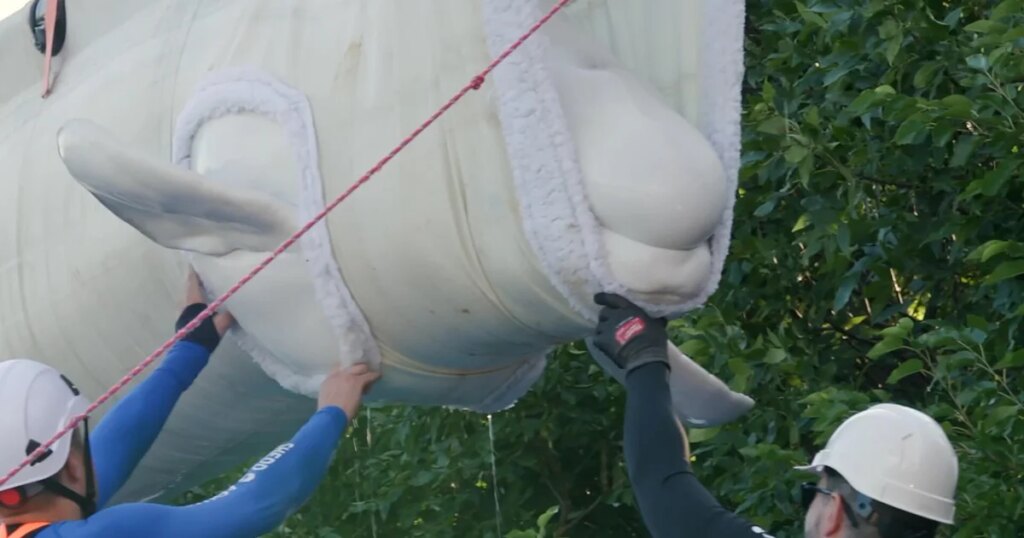
SeaWorld San Antonio has recently welcomed seven new beluga whales, marking a significant milestone in the international relocation initiative aimed at transferring these marine mammals from a defunct Canadian theme park. This latest group consists of females named Xena, Gemini, Skyla, Meeka, Eve, Neva, and Calypso, and they were the second batch to be moved from Marineland. With this move, SeaWorld has achieved the largest beluga transfer in U.S. history—a development praised by the facility’s officials as a crucial rescue effort.
| Article Subheadings |
|---|
| 1) Overview of the Beluga Relocation |
| 2) The Acclimatization Process |
| 3) The Journey from Marineland to SeaWorld |
| 4) The Future of Remaining Whales |
| 5) The Need for Relocation and Care |
Overview of the Beluga Relocation
SeaWorld San Antonio recently welcomed a group of seven beluga whales from Marineland, a Canadian theme park that has ceased operations. This significant event marks not only a substantial chapter in marine conservation efforts but also highlights the successful coordination among various organizations involved in the rescue of these animals. The whales—Xena, Gemini, Skyla, Meeka, Eve, Neva, and Calypso—were the second group relocated as part of a larger initiative to ensure their safety and well-being.
The ongoing relocation effort is crucial as it addresses the imminent threat facing these animals; without relocation, many were at risk due to diminished resources and care at Marineland. The initiative underscores the collaborative efforts of various wildlife organizations, veterinarians, and marine biologists, aiming to ensure that these belugas receive the care they need to thrive in a new environment.
The Acclimatization Process
Upon their arrival at SeaWorld, the newly relocated belugas have been placed in a private habitat specifically designed for their acclimatization. This secluded environment allows caretakers to monitor their health and how they adapt to their new surroundings without the public’s immediate presence. Steve Aibel, Vice President of Zoological Operations at SeaWorld, elaborated on the care being provided to the whales, stating that they are being closely observed for any signs of stress or discomfort as they adjust.
Veterinarians and care teams focus on ensuring that the belugas receive appropriate nutrition, veterinary care, and attention during this acclimatization phase. By creating a comfortable environment, the team aims to minimize the stress that can occur when animals are introduced to new habitats. This careful approach is designed to set the stage for a seamless integration with the existing whale population at SeaWorld.
The Journey from Marineland to SeaWorld
The transportation of the belugas from Marineland to SeaWorld San Antonio was a complex operation that involved specialized equipment and meticulous planning. To facilitate the nearly 2,000-mile journey, the whales were transferred into specialized water-filled transport units. Following this, they were transported on flatbed trucks to an airport, where they continued their journey aboard a cargo plane. This combination of transportation modes was necessary to ensure the whales’ safety and comfort throughout the process.
The initial group of whales, which included two males named Frankie and Bertie Botts, successfully made the same journey last month. After their relocation, these mammals have reportedly adjusted well to their new environment, receiving a gradual introduction to the existing whale population. Caretakers have closely monitored the two males to ensure their well-being along the integration process.
The Future of Remaining Whales
As of now, 17 beluga whales remain at Marineland, indicating a critical need for continued efforts to relocate them. Various aquariums across the United States—ranging from facilities in Georgia and Chicago to San Diego—are being considered as potential new homes for these remaining belugas. However, the timeline for these relocations has yet to be announced by officials, leaving uncertainty regarding the future of these animals.
The urgency of these relocations cannot be overstated, particularly since Marineland had announced plans to euthanize the whales should a relocation plan not materialize. The decisions surrounding their care have involved extensive collaboration between marine organizations, government agencies, and wildlife conservation advocates.
The Need for Relocation and Care
The need for a comprehensive relocation plan for the belugas was heightened after the closure of Marineland. The National Oceanic and Atmospheric Administration (NOAA) played a crucial role in the relocation effort by issuing approvals to ensure that the whales receive the required medical treatment and care they can no longer attain at Marineland. NOAA’s involvement is vital given that no other facilities in Canada were equipped to provide the essential husbandry or medical care that the whales require.
As concerns about the health and welfare of these marine mammals become more pressing, the ongoing efforts to relocate them highlight broader issues regarding wildlife conservation, animal welfare, and public responsibilities toward endangered species. The significant resources being allocated to this project emphasize the importance of ensuring that belugas and other marine animals receive the protection and care they need in a rapidly changing world.
| No. | Key Points |
|---|---|
| 1 | Seven new beluga whales have been relocated to SeaWorld San Antonio as part of an international rescue effort. |
| 2 | These whales are currently in a private habitat, undergoing careful acclimatization and monitoring. |
| 3 | The transportation process involved specialized units and required coordination across multiple transportation modes. |
| 4 | Seventeen whales remain at Marineland, with plans for their relocation to various aquariums in the works. |
| 5 | NOAA has approved relocation efforts, emphasizing the importance of care for the whales that cannot be provided at Marineland. |
Summary
The successful relocation of the seven beluga whales to SeaWorld San Antonio not only signifies a breakthrough in marine conservation efforts but also instills hope for a brighter future for the remaining belugas at Marineland. As various organizations collaborate for their care and relocation, the significance of ensuring the safety of these marine mammals becomes increasingly evident. The challenges they face echo broader issues in wildlife conservation that require immediate attention and action.
Frequently Asked Questions
Question: Why were the beluga whales relocated from Marineland?
The beluga whales were relocated due to the closure of Marineland, which lacked the resources to continue caring for them. The relocation was necessary to ensure their health and well-being.
Question: How many belugas are still at Marineland?
Currently, 17 beluga whales remain at Marineland, and plans for their relocation to various aquariums are underway.
Question: What role does the NOAA play in the relocation process?
The NOAA issued the necessary approvals for the relocation of the belugas, thereby ensuring that they receive adequate medical care and attention that was unavailable at Marineland.