
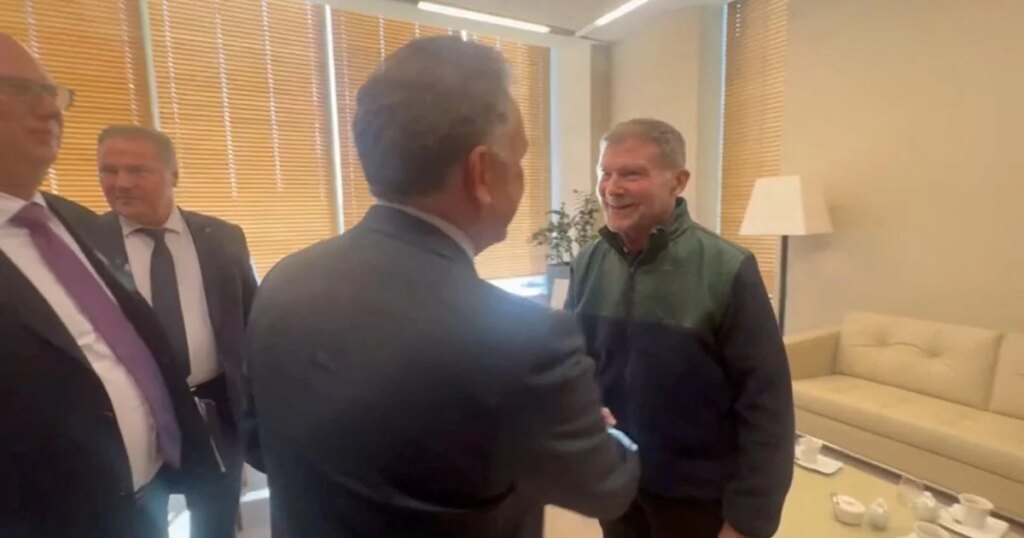
The recent release of U.S. citizen Stephen Hubbard from Russian detention has captured international attention, reflecting the complex dynamics of diplomacy amidst ongoing conflicts. After being imprisoned for over four years on charges related to the war in Ukraine, Hubbard’s freedom was aided by U.S. officials, notably special envoy Steve Witkoff, during a meeting with Russian President Vladimir Putin. The context of his detention and the human toll it has taken on his family underscore significant issues surrounding wrongful detentions and the legal landscapes of international war.
| Article Subheadings |
|---|
| 1) Context of Detention: Hubbard’s Charges and Background |
| 2) The Role of Diplomacy in Hubbard’s Release |
| 3) Emotional Reunions and Family Dynamics |
| 4) Speculations on Broader Implications of the Release |
| 5) Ongoing Concerns Over American Imprisonment Abroad |
Context of Detention: Hubbard’s Charges and Background
Stephen Hubbard, a 74-year-old retired teacher, found himself in a dire situation shortly after the onset of the full-scale Russian invasion of Ukraine in 2022. Hubbard was accused of manning a checkpoint for mercenaries, which led to his capture and eventual imprisonment in Russia. His family has maintained that the charges against him were unfounded. They assert that Hubbard was not involved in any military activity and lacked the physical capacity to participate in such conflict at his age. His attorney, Martin De Luca, confirmed that their investigation yielded no evidence supporting the Russian allegations, describing the sealed case file related to Hubbard’s trial as problematic.
The Role of Diplomacy in Hubbard’s Release
Hubbard’s release was orchestrated through diplomatic channels between U.S. officials and the Russian government. The pivotal moment occurred during a meeting between special envoy Witkoff and President Putin, which ultimately resulted in Hubbard’s freedom without any prisoner exchange. While political dynamics played a significant role, President Donald Trump suggested that his own decision to relax some sanctions against Russia may have facilitated this outcome. The complexity of U.S.-Russia relations continues to be a double-edged sword, as lawmakers express concerns over any perceived leniency toward Russia in light of Hubbard’s release.
Emotional Reunions and Family Dynamics
For Coleman, the emotional toll of his father’s imprisonment was palpable. He revealed the burden of a brief phone call with Hubbard while he was imprisoned, where Hubbard expressed a deep sense of despair. Upon his release, Coleman described wanting to physically assess his father’s health after their years of separation. Their family dynamics were also complicated by their unique circumstances; due to a divorce with Coleman’s mother, they had not lived in the same household, and an absence of communication during the three years of Hubbard’s detention had further strained their relationship. Nevertheless, Coleman expressed relief and excitement over his father’s return while emphasizing the need for a respectful adjustment period.
Speculations on Broader Implications of the Release
The aftermath of Hubbard’s release opens discussions about diplomatic strategies and the potential risks of such engagements. Critics, including prominent political leaders across party lines, have questioned whether such actions might encourage further detentions of Americans abroad. The perception of rewarding hostile actions by Russia has left many unsettled, especially in light of ongoing international tensions and accusations against the Russian government, including allegations of war crimes in Ukraine. While De Luca remains hopeful about the positive implications of diplomatic talks, he balances this with an acknowledgment of the delicate nature of international relations.
Ongoing Concerns Over American Imprisonment Abroad
Despite the welcome news of Hubbard’s release, a lingering concern remains regarding the status of other Americans imprisoned in Russia. Reports indicate that approximately 20 other U.S. nationals remain detained under similarly questionable circumstances. The U.S. State Department continues to urge caution for American citizens considering travel to Russia, highlighting the risks associated with wrongful detentions. The distinction of whether Russia will be labeled a state sponsor of wrongful detention, akin to Iran and Afghanistan, remains contentious and is indicative of the ongoing complexities within U.S.-Russia relations.
| No. | Key Points |
|---|---|
| 1 | Stephen Hubbard was unjustly detained in Russia amidst the Ukraine conflict. |
| 2 | Hubbard’s release was facilitated through U.S.-Russia diplomatic efforts. |
| 3 | Concerns grow over the implications of American engagements with Russia. |
| 4 | Family dynamics played a significant role in the emotional fallout of Hubbard’s detention. |
| 5 | Ongoing risks for Americans traveling to Russia remain high. |
Summary
The recent release of Stephen Hubbard serves as a reminder of the complexities surrounding international imprisonment and the delicate balance of diplomatic relations with Russia. As calls for a more robust approach gain momentum amid criticisms of perceived leniency, ongoing discussions about American citizens detained abroad continue to emerge as a significant topic. Ultimately, Hubbard’s case highlights not only personal triumph but also raises broader ethical considerations regarding diplomacy, the treatment of detainees, and the challenges families face in similar situations.
Frequently Asked Questions
Question: Who is Stephen Hubbard?
Stephen Hubbard is a 74-year-old U.S. citizen who was imprisoned in Russia for over four years after being accused of illegal military actions during the Ukraine conflict.
Question: What charges were brought against Stephen Hubbard?
Hubbard faced accusations of manning a checkpoint for mercenaries in Ukraine, which his family and legal team have consistently disputed as baseless.
Question: What role did diplomacy play in his release?
Diplomatic negotiations between U.S. special envoy Steve Witkoff and Russian President Vladimir Putin were crucial in securing Hubbard’s release without requiring a prisoner swap.