
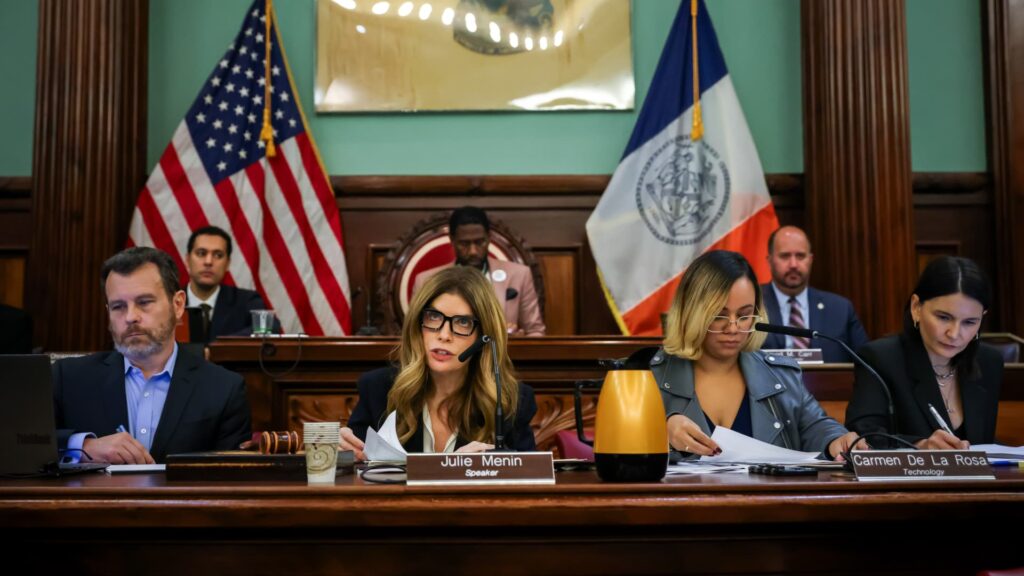
SpaceX’s artificial intelligence policy leader, Gabriela Castillo Madrid, is scheduled to provide testimony before the New York City Council as part of an ongoing legislative investigation into the safety of artificial intelligence (AI). The hearing will take place on Friday at 10 a.m. ET via video conference, following intense discussions surrounding the risks associated with advanced AI models. This marks a significant moment for SpaceX as they had previously avoided subpoenas requesting their appearance, which prompted council measures to enforce compliance.
| Article Subheadings |
|---|
| 1) Background of the NYC Council Investigation |
| 2) SpaceX’s Decision to Testify |
| 3) The Implications of AI in Current Affairs |
| 4) The Case of Jess Asato and AI Harassment |
| 5) Future of AI Regulation in NYC |
Background of the NYC Council Investigation
The New York City Council launched an investigation into AI safety due to increasing concerns surrounding the unregulated expansion and use of advanced AI technologies. This probe has been marked by robust debates and discussions among council members and industry stakeholders. The decision to initiate an investigation stems from various incidents and reports indicating that advanced AI models, like those developed by leading tech firms, pose potential risks to privacy, safety, and security. Recently, high-profile testimonies have come to the forefront, spurring the council to ensure comprehensive regulations on AI technologies.
In this climate, the council members aim to gather insights from major players in the AI sector to aid the development of legislative frameworks that safeguard the public. The investigation represents an intersection of technology, policy-making, and public safety, highlighting the urgency for responsible AI deployment and utilization within urban settings.
SpaceX’s Decision to Testify
Following prior refusal to comply with subpoenas from the city council, SpaceX has recently agreed to participate in the hearings, prompted by the council’s threat to enforce compliance through judicial means. The announcement came after widespread discussion regarding the responsibility of AI companies to provide transparency and accountability regarding their products and the impact these have on society.
The hearing, which will take place on a Friday morning via video conference, is an opportunity for Gabriela Castillo Madrid to address the council and share insights into SpaceX’s approach to AI safety and governance. This engagement signifies a shift in SpaceX’s willingness to cooperate with legislative bodies and demonstrates the ongoing pressure tech companies face regarding their practices and policies related to artificial intelligence.
The Implications of AI in Current Affairs
As discussions surrounding AI technology intensify, there is also a focus on the societal implications of deploying these systems. The merger of SpaceX with xAI, which occurred earlier this year, enabled the integration of AI capabilities within the frameworks of aerospace and defense technology, leading to a broader spectrum of applications—from military use to communication networks. This merger allowed SpaceX to take control of critical AI models like Grok, utilized by governmental and defense agencies.
Critics argue that powerful AI tools can exacerbate existing issues, such as data privacy and misinformation. Therefore, the broader questions being debated in the city council highlight the urgent need for regulatory frameworks that dictate the ethical use of AI in a manner that prioritizes public safety while fostering innovation. The outcome of the council’s investigation and their findings could establish critical benchmarks for AI governance not only in New York but potentially across other jurisdictions.
The Case of Jess Asato and AI Harassment
A notable incident that has ignited discussion around AI’s societal influence is the case involving Jess Asato, a member of the U.K. Parliament. Asato has publicly reported experiencing online harassment facilitated by AI technologies, drawing attention to the risk of AI systems being weaponized against individuals. After users of Grok reportedly created and distributed unauthorized sexualized images of her, Asato has pursued legal action against xAI in the U.K. This legal case highlights the urgent call for accountability and the necessity for safeguards protecting individuals from potential harm related to AI utilization.
Asato has criticized companies like SpaceX for their perceived lack of accountability regarding the consequences of their technologies. Her ongoing lawsuit, which includes allegations of violations of data protection laws, has raised key questions about the ethical obligations of AI companies in preventing misuse of their systems. This case illustrates the profound ramifications that AI technologies can have on individuals’ lives, prompting concerns over the need for reform in AI policy and practice.
Future of AI Regulation in NYC
As the New York City Council investigates the implications of AI technology, there lies a pivotal opportunity to influence future legislation on tech regulations. Community stakeholders, industry experts, and everyday citizens are all becoming increasingly engaged in discussions about technology’s role in society. The council’s findings and eventual legislative actions could lay the groundwork for more comprehensive national and international standards regarding AI.
The potential enactment of new regulations could create clearer guidelines for tech companies that develop, deploy, and manage AI systems. These include mandatory transparency regarding AI capabilities, user data protection measures, and ethical standards to govern AI use. The outcome of these hearings will not only affect SpaceX and other AI firms but also set crucial precedents for how societies navigate the complex intersection of technology and human rights, privacy, and ethical conduct.
| No. | Key Points |
|---|---|
| 1 | SpaceX’s AI leader to testify under the NYC Council’s investigation into AI safety. |
| 2 | SpaceX initially evaded legal requests to appear, prompting a judicial threat. |
| 3 | The investigation aims to address potential risks associated with advanced AI models. |
| 4 | Jess Asato’s case sheds light on the potential for AI technologies to be misused. |
| 5 | The outcomes may shape future regulations governing AI responsibly. |
Summary
The upcoming testimony of SpaceX’s AI policy leader before the New York City Council marks a pivotal moment in the conversation about artificial intelligence safety. As the council probes deeper into the implications of advanced AI technologies, they simultaneously respond to significant public concerns regarding ethical conduct and accountability in the industry. The hearings have potential long-term consequences that may guide new regulations, establishing vital frameworks necessary for the responsible use of AI in society.
Frequently Asked Questions
Question: Why is the NYC Council investigating AI safety?
The NYC Council is investigating AI safety due to heightened concerns about the risks and ethical implications associated with advanced AI technologies and their impact on public safety and privacy.
Question: What prompted SpaceX to agree to testify?
SpaceX agreed to testify following threats from the NYC Council to enforce compliance with subpoenas, signaling increased pressure on tech companies to engage in discussions about AI accountability.
Question: What is the significance of Jess Asato’s case?
Jess Asato’s case highlights the potential dangers of AI misuse, especially regarding personal privacy and online harassment, prompting calls for stricter accountability measures for firms developing AI technologies.