
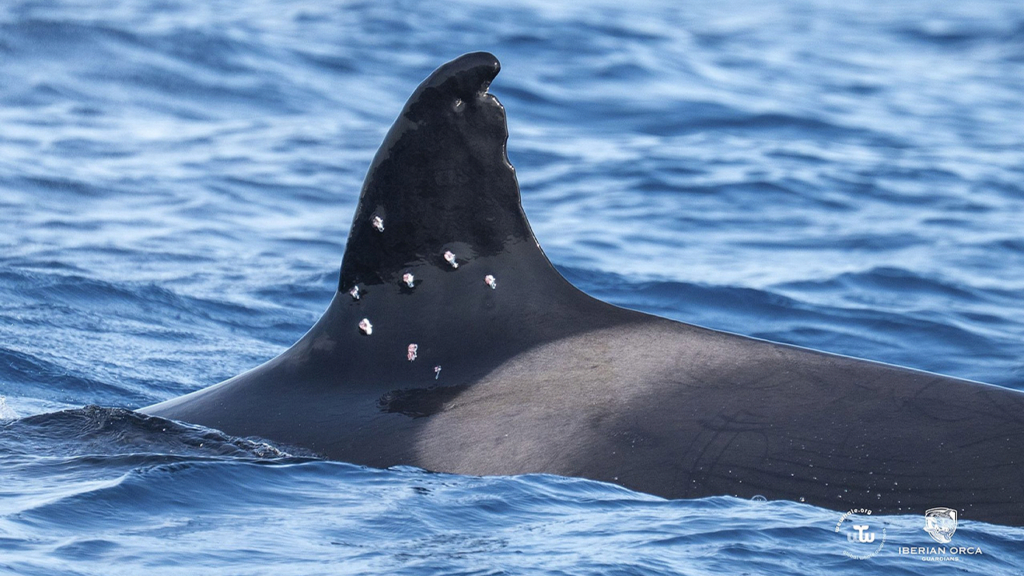
An investigation has been launched in Spain following the discovery of multiple wounds on Toñi, the oldest known Iberian orca, believed to be approximately 60 years old. Marine conservationists have indicated that the injuries are consistent with shotgun pellet impacts, raising concerns about the safety of marine wildlife in the region. This incident comes amid increasing tensions between orcas and boats, prompting calls for urgent measures to protect these endangered creatures.
| Article Subheadings |
|---|
| 1) Discovery of Wounds on Toñi |
| 2) Investigation Initiated by Authorities |
| 3) Conservationists’ Concerns Over Injuries |
| 4) Risks Associated with the Injuries |
| 5) The Broader Impact on Iberian Orcas |
Discovery of Wounds on Toñi
Toñi, a celebrated member of the Iberian orca population, emerged in the Strait of Gibraltar with multiple injuries that have caught the attention of marine conservationists. The marks on Toñi’s dorsal fin and back were reportedly inconsistent with natural causes and are believed to be consistent with wounds caused by shotgun pellets. The conservation groups WeWhale and Iberian Orca Guardians reported that these injuries appeared suddenly; Toñi had been photographed weeks prior without any visible wounds.
Investigation Initiated by Authorities
The Spanish Ministry for the Ecological Transition and the Demographic Challenge (MITECO) learned of these injuries on August 11 after communication from WeWhale, a marine conservation organization authorized to operate in the area. In response, officials opened preliminary investigative proceedings the following day, indicating a serious commitment to understanding the circumstances surrounding Toñi’s injuries, including identifying potential offenders. While authorities have not yet confirmed that Toñi was shot, they are proceeding with caution and taking the situation with earnest consideration.
Conservationists’ Concerns Over Injuries
The troubling discovery of wounds adds to the worry about Toñi’s well-being and highlights the increasing incidents of violent encounters between marine wildlife and boats in the region. Experts from the WeWhale organization contend that the nature of the injuries, which they estimate to consist of roughly ten obvious pellet impacts, points to the horrifying possibility of deliberate harm. Such attacks on a species designated as vulnerable not only threaten individual animals like Toñi but also pose risks to the entire population of Iberian orcas.
Risks Associated with the Injuries
Injuries on marine mammals can have severe repercussions, especially for older orcas. Toñi, at her age, could be at heightened risk due to complications that could arise from such wounds. According to WeWhale, the dorsal fin has a highly vascular structure and plays a crucial role in regulating body temperature. If the wounds become infected, the situation could escalate, potentially jeopardizing Toñi’s life. However, there have been reassuring reports indicating that, for now, Toñi appears to be swimming and hunting normally.
The Broader Impact on Iberian Orcas
This incident sheds light on the precarious position that Iberian orcas find themselves in. As one of the last members of a critically endangered population, Toñi is not just an individual; she represents the existential struggle of her species. Conservationists emphasize that deliberate violence against these animals constitutes extreme cruelty and an assault on a fragile group of marine life. Spain’s strict environmental laws concerning the protection of these species carry stringent penalties, with violations potentially leading to fines of up to 2 million euros (approximately 2.3 million dollars). As the investigation unfolds, the emphasis remains on the necessity for protections that will aid in the survival of this unique population.
| No. | Key Points |
|---|---|
| 1 | Toñi, the oldest Iberian orca, has been found with wounds suspected to be from shotgun pellets. |
| 2 | Spanish authorities have initiated an investigation to discover the cause of her injuries. |
| 3 | Conservationists believe the injuries may indicate a targeted attack, raising alarm over the treatment of marine species. |
| 4 | If left untreated, the wounds could result in serious health complications for Toñi. |
| 5 | The case underscores the threats faced by Iberian orcas and the laws in place to protect endangered species in Spain. |
Summary
The discovery of pellet wounds on Toñi has sparked a significant investigation into the safety and preservation of Iberian orcas in the Strait of Gibraltar. The findings highlight urgent issues surrounding human interactions with marine life, particularly as they relate to the conservation of endangered species. As authorities continue their investigation, the case serves as a stark reminder of the ongoing vulnerabilities faced by these magnificent creatures and the need for robust protective measures.
Frequently Asked Questions
Question: Who is Toñi and why is she significant?
Toñi is the oldest known Iberian orca, estimated to be around 60 years old. She is significant as one of the last remaining members of a critically endangered population, which highlights the conservation needs of this species.
Question: What type of injuries did Toñi sustain?
Toñi has been found with multiple wounds believed to be inflicted by shotgun pellets, raising concerns about violence directed towards marine wildlife.
Question: What are the potential consequences for individuals found responsible for harming Toñi?
Under Spanish law, harming protected species like Toñi could result in severe penalties, including fines up to 2 million euros and potential criminal prosecution.