
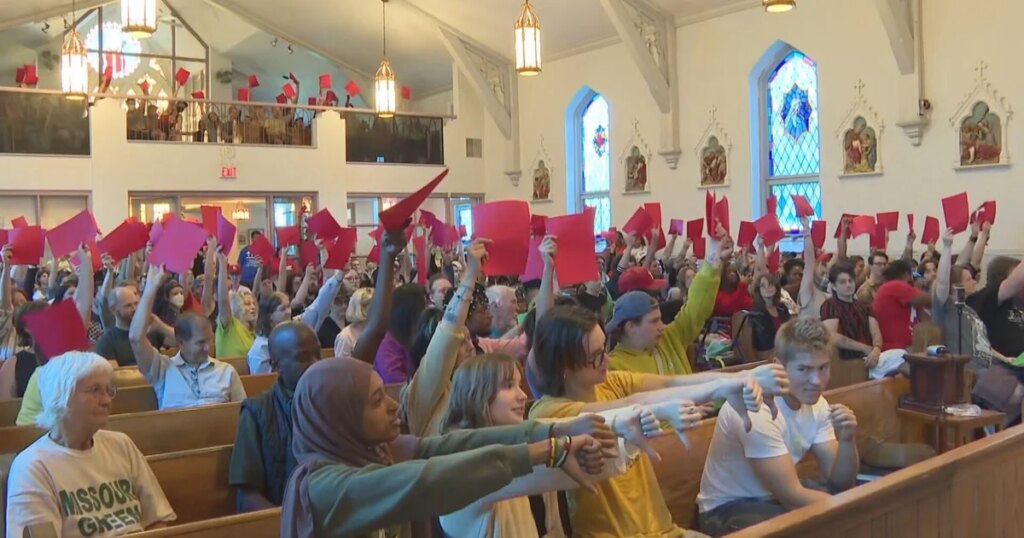
As technology firms continue to invest heavily in data center construction due to the surge in artificial intelligence (AI), communities across the United States, particularly in St. Louis, are embroiled in a contentious debate. The proposed development of a large data center by TerraWatt has raised significant concerns among residents about environmental impacts, community needs, and infrastructure usage. Activists and scientists alike are questioning the long-term implications of such projects, which could potentially shape the future of local economies and environments.
| Article Subheadings |
|---|
| 1) The AI Boom and Infrastructure Needs |
| 2) Community Response: Concerns and Lawsuits |
| 3) Environmental Impact and Scientific Evidence |
| 4) Economic Promises versus Local Needs |
| 5) The Future of Data Centers in Urban Areas |
The AI Boom and Infrastructure Needs
In recent years, the emergence of artificial intelligence has triggered an unprecedented demand for data centers across the globe. Tech giants are investing trillions of dollars into establishing these facilities to support AI advancements, which require substantial computational power. In St. Louis, a city that harbors aging industrial structures, the opportunity to transform old warehouse spaces into hubs of technological innovation presents both possibilities and challenges. According to David Daneshforooz, CEO of TerraWatt, the plan to erect a data center in St. Louis hinges on revitalizing the local economy by repurposing underutilized infrastructure.
Community Response: Concerns and Lawsuits
Despite the optimistic outlook from developers, local community members have expressed significant apprehensions regarding the impending project. In a recent poll, over 70% of Americans indicated their opposition to data centers being constructed in their vicinity. In light of these sentiments, Kasey Fowler-Finn, a biologist and resident, has become a plaintiff in a lawsuit aiming to halt the development. The lawsuit outlines concerns over potential noise pollution and the extensive resource consumption associated with the facility, including water and electricity usage.
Environmental Impact and Scientific Evidence
The predominant fears among scientists and residents revolve around the environmental assessment—or lack thereof—associated with the proposed data center.
“There’s been no environmental impact assessment and no low-frequency sound study,”
expressed Fowler-Finn. She emphasized the need for transparency regarding the potential ecological footprint, particularly regarding the effects on local wildlife and ecosystems. Opponents of the data center argue that claims made by developers are often unsubstantiated, lacking the scientific data necessary to alleviate community concerns.
Economic Promises versus Local Needs
In their defense, the developers have pledged numerous economic benefits that accompanied their proposed project, including promises to pay utility costs independently and integrate closed-loop water systems. Furthermore, they commit to investing significant funds into the local education system, which could further enhance community resources. These commitments have been part of a strategy that has seemingly worked in other cities, yet skepticism remains in St. Louis. Many residents question whether the tangible benefits will truly outweigh the social and environmental costs of having a massive data center in their midst.
The Future of Data Centers in Urban Areas
As the debate unfolds over whether St. Louis should embrace the data center model, this situation mirrors larger discussions happening in cities throughout the U.S. The needs of local residents often clash with the ambitions of corporations eager to capitalize on the growing demand for AI-supported infrastructures. Daneshforooz argues that failure to develop data centers in the U.S. jeopardizes American data security, suggesting alternative storage locations may lack the necessary regulation and oversight, which adds another layer of complexity to local discussions. The balance between industry growth and community integrity will be pivotal in shaping the future landscape of urban areas as they adapt to ongoing technological shifts.
| No. | Key Points |
|---|---|
| 1 | The rise of AI has led to significant investment in data centers across the globe. |
| 2 | Residents in St. Louis are largely opposed to the development of a local data center. |
| 3 | Environmental concerns surrounding water use, noise, and energy consumption are prominent. |
| 4 | Developers promise economic benefits, including funding for local schools. |
| 5 | The discussion around data centers reflects wider debates on technology, infrastructure, and community impacts. |
Summary
The proposed TerraWatt data center in St. Louis encapsulates the broader tensions emerging from the intersection of technological advancement and community welfare. As stakeholders navigate the contentious landscape, balancing economic promises with environmental and social responsibilities will be crucial. The unfolding scenario in St. Louis serves as a bellwether for other communities grappling with similar decisions, ultimately shaping the future of data centers in urban settings amid the ever-evolving AI landscape.
Frequently Asked Questions
Question: What is the purpose of the proposed data center in St. Louis?
The proposed data center aims to support the growing demands of artificial intelligence by utilizing old warehouse space to establish a facility that can process significant amounts of data securely and efficiently.
Question: Why are residents opposed to the data center’s development?
Residents are concerned about potential environmental impacts, including noise pollution, resource consumption, and a lack of comprehensive environmental assessments related to the project.
Question: What commitments have developers made regarding the project?
Developers have committed to covering their own utility costs, using closed-loop water systems, and investing in the local school system to compensate for the impact of the data center on the community.