
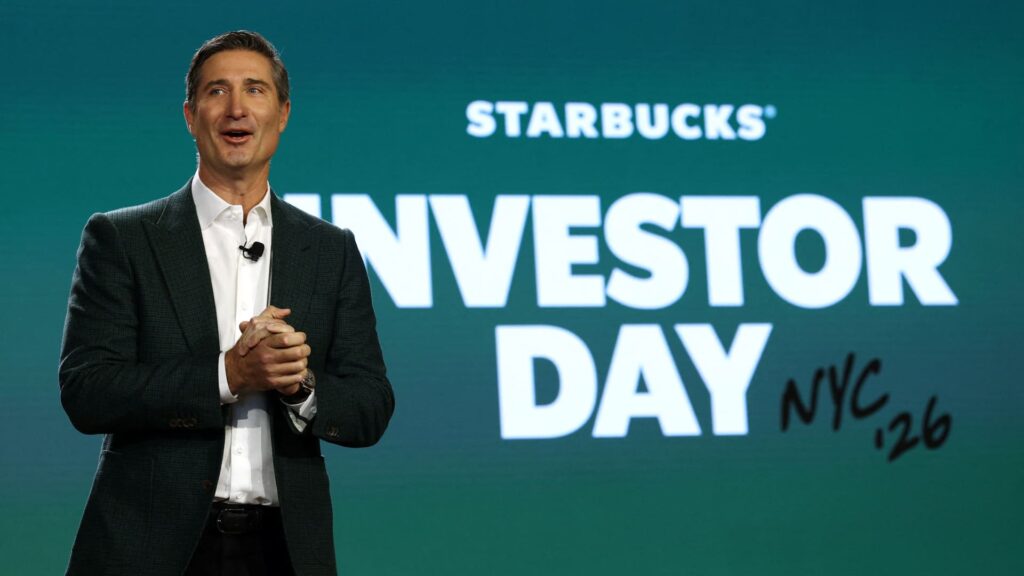
Starbucks is reportedly considering acquiring Chipotle Mexican Grill, sparking debates among investors about the potential implications of such a significant move. While the merger could create one of the largest restaurant conglomerates in the U.S., opinions are divided on whether this acquisition is justifiable for either company amid Starbucks’ ongoing turnaround efforts. As details of this prospective deal surface, analysts are weighing the advantages and drawbacks it would bring to both culinary giants.
| Article Subheadings |
|---|
| 1) The Niccol Connection |
| 2) Building the Next Yum |
| 3) Potential Synergies |
| 4) Alignment in Business Models |
| 5) The Price Tag |
The Niccol Connection
Starbucks CEO Brian Niccol holds a unique position in the potential acquisition of Chipotle Mexican Grill. Having served as the chief executive of Chipotle for over six years before joining Starbucks in 2024, Niccol is well-acquainted with the inner workings of Chipotle. Under his leadership, Chipotle experienced a notable turnaround following a series of foodborne illness incidents that had severely impacted the brand’s reputation and sales.
However, even with efforts from Niccol, Chipotle faced challenges after his departure. In 2025, the company experienced a drop in customer traffic as consumers started to tighten their budgets, leading to lower sales figures. Recently, Scott Boatwright, the current CEO of Chipotle, mentioned signs of recovery during the company’s earnings call in July, 2026.
Despite this positive outlook, the current stock price is trading at a significant discount compared to the previous year. Following Niccol’s exit, Chipotle’s shares have lost an estimated 40% of their value, making it an enticing target for Starbucks to consider as a possible acquisition.
Building the Next Yum
An acquisition of Chipotle would be a bold strategic move for Starbucks, creating a multi-brand restaurant conglomerate akin to industry giants such as Yum Brands or Restaurant Brands International. Such corporate structures not only allow for diversification but also provide a buffer against fluctuations in individual brand performances.
Starbucks, with its extensive market presence, could assist Chipotle in expanding its footprint internationally. Currently, Chipotle operates about 100 locations outside the U.S., whereas Starbucks boasts an impressive 23,000 locations globally. Previous restaurant conglomerates like Yum Brands have successfully leaned on their international experience from established chains to bolster the growth of newer acquisitions, such as Taco Bell’s international expansion powered by KFC’s and Pizza Hut’s global strategies.
Potential Synergies
Investors often look for synergies that can justify the price of strategic acquisitions like the one being contemplated between Starbucks and Chipotle. While these two chains serve different food categories, they have considerable operational overlaps, particularly in their U.S. real estate presence. Roughly 90% of Chipotle locations are located within one mile of a Starbucks café.
This geographic proximity could lead to potential cost savings and operational efficiencies if the two companies join forces. For instance, they could share aspects of real estate development or even streamline administrative roles across both chains to reduce overall company expenses. Moreover, the overlapping customer bases present an opportunity for the development of a combined rewards program, which could incentivize customers to visit both establishments, ultimately benefiting sales for both parties.
Alignment in Business Models
Unlike many major restaurant chains that primarily rely on franchising, both Chipotle and Starbucks operate most of their U.S. locations. This operational similarity could lend itself to a more seamless integration if Starbucks were to move forward with an acquisition. In contrast, Chipotle’s previous owner, McDonald’s, operated a different business model, primarily focusing on franchising that eventually led to a misalignment between the two entities during their partnership.
Chipotle’s leadership has shown a strong desire to maintain its unique brand identity, resisting attempts to implement strategies such as drive-thrus or breakfast menus that McDonald’s proposed. The synergy of consistent business models between Starbucks and Chipotle may provide a more favorable environment for cooperation and growth.
The Price Tag
While the potential acquisition of Chipotle could create significant synergies and advantages, the financial implications must not be overlooked. Analysts estimate that Chipotle holds a market cap of around $42 billion, which would make this acquisition the largest restaurant merger to date. This price tag raises some concerns given Starbucks’ current financial status—standing at approximately $9.4 billion in debt as of June 2026.
If Starbucks pursues this acquisition, its leverage ratio could surge to approximately six times its earnings. Should Starbucks opt for an all-stock transaction, the dilution of its existing shares would still pose a substantial impact, estimated to reduce its earnings per share by about 10%.
While the appeal of such a merger is strong, Starbucks may need to carefully assess its financial health before entering into such a massive financial commitment.
| No. | Key Points |
|---|---|
| 1 | Starbucks is considering acquiring Chipotle, raising questions about the potential impact on both companies. |
| 2 | Brian Niccol’s previous experience with Chipotle could facilitate the merger. |
| 3 | The acquisition could potentially create a large restaurant conglomerate similar to Yum Brands. |
| 4 | The proximity of the two brands’ locations may result in significant operational synergies. |
| 5 | Financially, the acquisition poses substantial risks given Starbucks’ current debt levels. |
Summary
In summary, while the potential acquisition of Chipotle by Starbucks presents opportunities for cross-brand growth, synergies, and market expansion, it is also accompanied by considerable risks. With Starbucks still in the process of orchestrating a turnaround, the timing of such a bold move raises valid concerns among investors. As both companies navigate their financial landscapes, the outcome of this proposal hinges on careful analysis and alignment of their corporate strategies.
Frequently Asked Questions
Question: What are the main reasons Starbucks is considering acquiring Chipotle?
Starbucks may be contemplating the acquisition to capitalize on potential synergies, leverage Brian Niccol’s experience, and grow Chipotle’s market presence, especially internationally.
Question: How could the merger affect Starbucks’ financial standing?
The acquisition could lead to increased debt for Starbucks, potentially affecting its leverage ratio and earnings per share due to the cost of the acquisition, which is estimated to be substantial.
Question: What challenges may arise from this potential merger?
Challenges could include integrating two different corporate cultures, managing potential redundancies, and addressing the ongoing turnaround efforts already underway at Starbucks.