
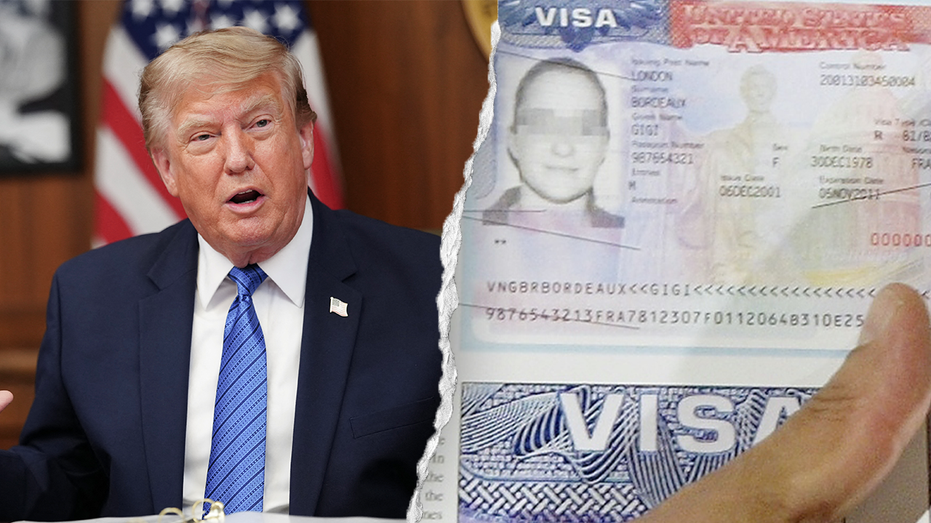
The State Department has revoked more than 250,000 visas since President Donald Trump took office, according to a department official. The cancellations involve criminal activity, visa violations, fraud, calls for violence, alleged abuse of the immigration system and national security concerns. The department also reported 2,300 revocations connected to birth tourism and more than 175,000 cancellations in August.
| 1) | Scale and scope of the visa cancellations |
|---|---|
| 2) | Violations and security concerns behind revocations |
| 3) | Birth tourism and broader immigration enforcement |
| 4) | Actions involving officials and asylum applicants |
| 5) | Administration’s stated rationale and next steps |
Scale and scope of the visa cancellations
The State Department said on September 30, 2026, that it had revoked more than 250,000 visas since the beginning of the Trump administration. The cancellations apply to foreign nationals whose conduct or circumstances were determined to conflict with the conditions of their visas or with U.S. security and law enforcement priorities.
The department described the effort as an expanded and continuous vetting campaign. The revocations cover a range of visa categories and cases rather than one single enforcement action. Officials said the goal is to identify visa holders who may pose risks or who have misused permission to enter or remain in the United States.
Violations and security concerns behind revocations
According to the department, visas were revoked for overstays, criminal conduct, fraud, violations of visa terms, support for violence against the United States or Americans, and threats to national security. The agency also cited people who defrauded Americans or abused immigration procedures.
The department said criminal cases accounted for a substantial portion of the more than 175,000 visas revoked in August. Leading categories included assault, driving under the influence, theft and drug-related offenses. Other cited conduct included reckless driving, sexual assault, child abuse, fraud and embezzlement.
Birth tourism and broader immigration enforcement
The department reported that 2,300 visas were revoked in cases connected to birth tourism. The term refers to pregnant foreign nationals traveling to the United States specifically to give birth, with the expectation that the child will receive U.S. citizenship under current law.
The administration has made birth tourism and other alleged immigration abuses targets of its broader enforcement agenda. Officials say visa privileges can be withdrawn when travelers misrepresent their purpose, violate admission conditions or use the immigration system in ways that conflict with U.S. rules.
Actions involving officials and asylum applicants
On September 28, the State Department revoked the visas of 27 Latin American officials, former officials and family members over accusations of corruption. The individuals were from Bolivia, Colombia, Ecuador and Peru. The department did not provide further details about the individual cases in the material available.
The administration also prepared during the summer to revoke business and tourist visas held by as many as 200,000 foreign nationals who had later applied for asylum in the United States. The proposed effort concerned B1 and B2 visas issued between 2016 and 2026. Deputy Secretary of State Christopher Landau argued that asylum claims should not be used to bypass immigration laws, while acknowledging that asylum is intended for people facing persecution on specified grounds.
Administration’s stated rationale and next steps
The policy is being implemented under President Donald Trump and Secretary of State Marco Rubio. State Department spokesperson Tommy Pigott called the number of revocations an unprecedented milestone and said the department was using continuous vetting to remove people who commit crimes, support terrorism, defraud Americans or abuse the immigration system.
“A U.S. visa is a privilege, not a right, and if you violate the terms of that privilege, you will lose it.”
The department’s stated approach is to continue reviewing visa holders after issuance rather than relying only on screening conducted before travel. Officials say that process is intended to ensure that criminal conduct, immigration violations and national security concerns can result in the withdrawal of a visa when identified.
| Number | Key Point |
|---|---|
| 1 | More than 250,000 visas have been revoked since the start of the Trump administration. |
| 2 | Reasons cited include crimes, fraud, overstays, visa violations and security threats. |
| 3 | Some 2,300 revocations were linked to birth tourism. |
| 4 | More than 175,000 visas were revoked in August, primarily after law enforcement encounters. |
| 5 | The department is also targeting certain corruption cases and potential misuse of asylum procedures. |
Summary
The State Department’s visa revocation campaign represents a broad expansion of post-issuance immigration vetting. The department says it is targeting criminal conduct, fraud, violations of visa conditions, birth tourism, corruption and threats to national security. Further actions are expected as officials continue reviewing visa holders and immigration cases.
Frequently Asked Questions
How many visas has the State Department revoked?
The department says it has revoked more than 250,000 visas since President Donald Trump took office.
What are the main reasons for the revocations?
Officials cited criminal activity, overstays, fraud, violations of visa terms, support for violence, abuse of the immigration system and national security concerns.
How many revocations were connected to birth tourism?
The department said 2,300 visas were revoked in connection with birth tourism, involving foreign nationals who traveled to the United States specifically to give birth.
Were asylum applicants included in the broader effort?
The administration prepared to revoke certain B1 and B2 visas held by as many as 200,000 people who later applied for asylum, although the material does not state how many of those visas were ultimately revoked.