
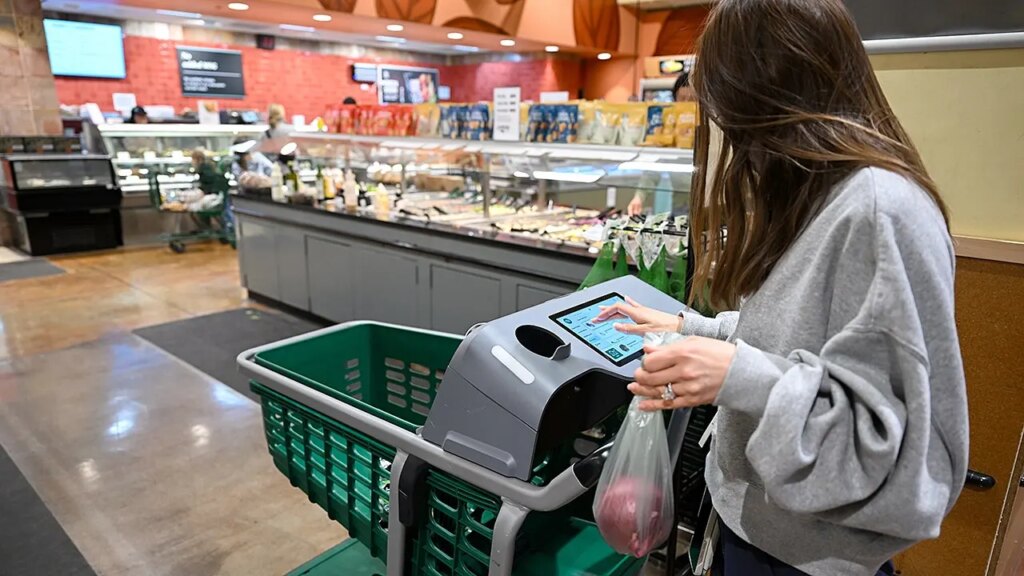
Artificial intelligence is increasingly infiltrating the grocery shopping experience, particularly with the introduction of smart shopping carts. These high-tech carts provide shoppers with various features, including product suggestions, digital shopping lists, and even checkout options, ostensibly enhancing the shopping process. However, recent research indicates that these innovations may lead to increased spending, raising questions about whether they truly benefit consumers or merely encourage overspending.
| Article Subheadings |
|---|
| 1) Overview of AI Shopping Carts |
| 2) Research Findings on Spending Habits |
| 3) Retailers’ Perspective on Smart Carts |
| 4) The Implications of Increased Spending |
| 5) Strategies to Manage Your Budget |
Overview of AI Shopping Carts
The integration of artificial intelligence into grocery shopping has taken shape through smart shopping carts, which are equipped with screens and advanced sensors. These carts offer various functionalities aimed at enhancing the shopping experience. Shoppers can receive real-time directions within the store, personalized product recommendations, and even digital coupons—all designed to streamline and enrich the shopping journey. Notably, the introduction of smart carts also presents retailers with new advertising avenues, allowing them to engage shoppers directly during their purchasing decisions.
Research Findings on Spending Habits
A recent study conducted by the Bayes Business School at City St George’s, University of London, provides insightful data on the effects of smart shopping carts on consumer spending habits. The research, published in the Journal of Business Research, focused on the shopping behavior observed at a popular supermarket chain in Germany. Analyzing over 12,000 shopping sessions in March 2025, researchers discovered that consumers using smart carts tended to spend an average of 32% more than those utilizing traditional carts. Furthermore, these individuals bought 25% more items and spent approximately 23% longer in the store.
The data showed a more significant spike in spending during afternoons and weekends, coinciding with longer store visits typically seen in the evenings. Notably, smart-cart users tend to exhibit behavioral patterns influenced by their exposure to technology while shopping, suggesting a link between cart features and financial decisions.
Retailers’ Perspective on Smart Carts
The noticeable increase in consumer spending associated with smart shopping carts has garnered enthusiasm from retailers. According to Dr. Sabrina Gottschalk, the lead author of the study, these carts could become invaluable tools for generating revenue within the retail space. By offering personalized promotions and guiding shoppers through their purchasing journey, smart carts facilitate higher engagement levels, potentially leading to more significant financial returns for retailers. The use of screens can promote not only special offers but new product advertisements as well, transforming every shopping trip into an opportunity for enhanced marketing.
However, the researchers emphasize the necessity for retailers to understand the nuances of consumer behavior in this context. While smart carts can be advantageous, there are broader implications regarding the data collected and the influence of screen-based marketing on purchasing decisions, prompting discussions about ethical marketing practices.
The Implications of Increased Spending
While the rise in expenditure associated with smart shopping carts appears beneficial for retailers, the implications for consumers may be far more complex. The study presented an important limitation: while an association was found between the use of smart carts and higher spending, causation was not established. It is plausible that individuals selecting smart carts were more inclined to conduct larger shopping trips due to a pre-planned budget or shopping list, which may skew the findings regarding the carts’ actual impact on spending. Moreover, “superusers” of smart carts—those who engaged with the technology over 20 times in a single shopping session—did not necessarily spend more money, suggesting that some shoppers may be more inclined to utilize the carts for navigational ease rather than impulse buying.
This nuance reveals the multifaceted nature of consumer behavior, challenging the straightforward notion that smart carts lead to overspending. The reliance on technology can enhance shopping efficiency and organization but also raise concerns about data privacy and the ethical dimensions of targeted marketing practices.
Strategies to Manage Your Budget
As smart shopping carts become more prevalent across grocery stores in the United States, consumers may feel the pressure of increased spendings. However, strategies exist to help shoppers navigate the potential pitfalls of enhanced technology while maintaining prudent financial habits. First and foremost, entering the store with a well-planned shopping list can significantly help consumers stick to their budget and resist temptations introduced by the carts. By staying mindful of their list and comparing each recommendation with pre-planned purchases, shoppers can mitigate the influence of impulsive purchases.
Monitoring the running total displayed on the smart cart can also prove beneficial, giving users the ability to gauge their expenditures in real-time rather than being surprised at checkout. Additionally, it is advisable to view recommendations as potential advertisements, keeping in mind that they are designed to entice customers into purchasing additional items. Independent price comparisons and unit cost evaluations can help ensure that consumers are making economically sound decisions rather than falling prey to marketing tactics.
Lastly, comparing receipts from smart cart shopping trips against traditional grocery runs can yield insight into whether these carts enhance budgeting or lead to exacerbated expenditures. By maintaining a conscious awareness of spending behavior and the role technology plays in it, consumers can leverage smart carts for efficiency while guarding against undue financial strain.
| No. | Key Points |
|---|---|
| 1 | Smart shopping carts are equipped with screens and technologies that enhance the shopping experience. |
| 2 | Research shows that users spend significantly more when utilizing these smart carts compared to traditional options. |
| 3 | Retailers view smart carts as tools for boosting customer engagement and revenue through personalized marketing. |
| 4 | There are ethical considerations from targeted advertising and data collection involved with these technologies. |
| 5 | Consumers can take proactive steps to manage their budgets while using smart carts, such as sticking to a shopping list and monitoring spending. |
Summary
The rise of smart shopping carts signals a fundamental shift in the grocery shopping landscape, driven by advances in technology and aimed at enhancing consumer interaction. Although these innovations may streamline the shopping process and potentially boost sales for retailers, they also present significant challenges regarding consumer spending habits and data privacy. As both technology and advertising strategies evolve, it remains essential for shoppers to understand their financial objectives and take control of their purchasing behaviors to leverage these new tools effectively.
Frequently Asked Questions
Question: What are smart shopping carts?
Smart shopping carts are advanced grocery carts equipped with digital screens and sensors designed to enhance the shopping experience, offering features like product recommendations, digital shopping lists, and checkout options.
Question: How much more do consumers spend using smart carts?
Research indicates that consumers using smart carts tend to spend approximately 32% more on average compared to those who use traditional grocery carts.
Question: What strategies can help manage spending while using smart carts?
To manage spending, consumers should create a shopping list in advance, monitor the running total while shopping, treat recommendations as advertisements, compare prices, and review spending patterns over time.