
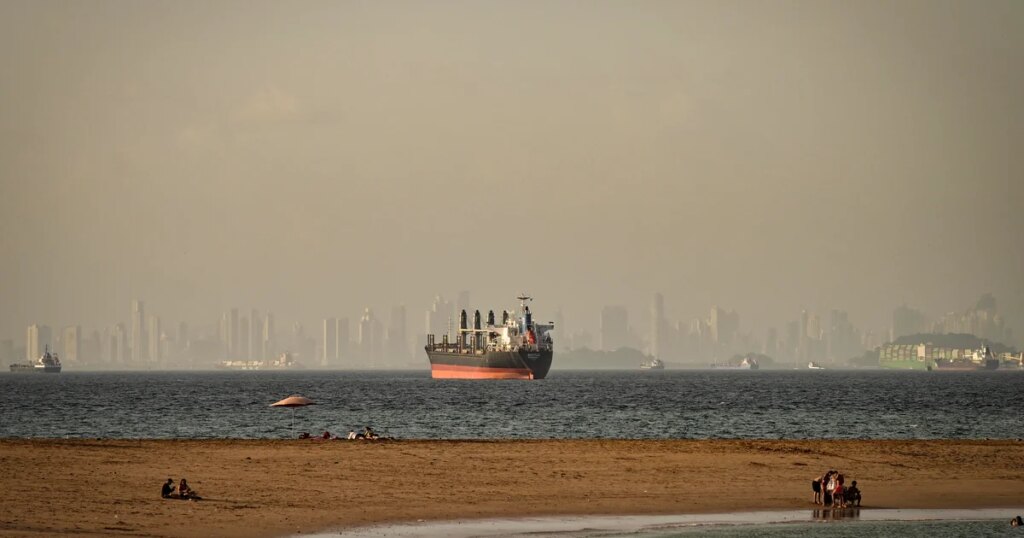
Recent developments in the Iran conflict have demonstrated the far-reaching consequences of geopolitical tensions on global trade and consumer prices in the United States. As the conflict approaches its six-month mark, the Strait of Hormuz, a critical shipping route for energy supplies, has become increasingly unsafe due to attacks on commercial vessels. This disruption has driven global oil prices upwards, contributing to inflation and pushing gasoline prices past $4 a gallon.
Efforts to negotiate a peace deal between the U.S. and Iran have been unsuccessful, highlighting how control over crucial waterways can be a bargaining tool in geopolitical struggles. A new report from Oxford Economics identifies additional significant trade chokepoints around the world that could similarly impact global economies if disrupted.
This article explores the implications of these chokepoints, focusing on their geographic distribution, the risks they face, and potential alternatives available for rerouting shipping traffic.
| Article Subheadings |
|---|
| 1) Geographic Concentration of Global Trade |
| 2) Major Threats Facing Chokepoints |
| 3) Impacts of Geopolitical Conflicts on Trade |
| 4) The Role of Climate Change in Trade Disruption |
| 5) Logistics and Costs of Rerouting Shipping |
Geographic Concentration of Global Trade
Oxford’s report highlights that Asia is home to the most significant concentration of major global chokepoints, including the Strait of Malacca and the Taiwan Strait. The Strait of Malacca, located between Indonesia and Malaysia, is a pivotal point through which approximately one-third of the world’s shipping traffic transits. Meanwhile, the Taiwan Strait sees close to one-fourth of global trade flow through its waters.
In addition, the Mediterranean Sea serves as another crucial area for international commerce. The Strait of Gibraltar connects the Mediterranean with the Atlantic and facilitates about 20% of global trade, while the Suez Canal is one of the world’s major artificial waterways. The Panama Canal, while somewhat less critical, remains significant as it facilitates approximately 40% of U.S. container traffic annually.
Major Threats Facing Chokepoints
The report identifies geopolitical disruptions as the most pressing threats to global trade, particularly in the context of countries pursuing control over strategic chokepoints for political leverage. According to Harry Murphy Cruise, head of economic research and global trade at Oxford Economics, such conflicts, like the U.S.-Iran tensions surrounding the Strait of Hormuz, illustrate the vulnerability of these routes.
Moreover, another significant but less apparent risk comes from climate change. Increasingly severe weather events and natural disasters threaten to disrupt important shipping routes, as observed with the ongoing challenges facing the Panama Canal. The interplay of drought conditions and phenomena like El Niño have led to reduced water levels, which restrict cargo capacities, thereby exacerbating supply chain challenges globally.
Impacts of Geopolitical Conflicts on Trade
The ongoing war in Iran has had direct implications for U.S. consumers, particularly in terms of fuel prices and inflation rates. As strikes on commercial vessels within the Strait of Hormuz multiply, the safety of this critical shipping lane has come into question, leading to surges in global oil prices. With one-fifth of the world’s oil typically being shipped through this passageway, a disruption not only limits oil supply but also heightens overall economic instability.
As a result, gasoline prices have climbed above the $4 mark in many areas across the U.S., with consumers feeling the brunt of these economic pressures. The situation underscores how localized conflicts can ripple through global markets, affecting basic commodities and living costs far from the source of the disturbance.
The Role of Climate Change in Trade Disruption
In addition to geopolitical tensions, climate change serves as a looming threat to the stability of global trade routes. As adverse weather patterns become increasingly common, the likelihood of natural disasters affecting key waterways rises. Specific examples include the droughts impacting the Panama Canal, which have necessitated reductions in the number of vessels that can pass through at any given time, thereby straining cargo transportation logistics.
Experts like Murphy Cruise highlight that such disruptions are not limited to one region; they can manifest in multiple tolls across various chokepoints globally. As weather patterns shift due to a warming climate, the implications for trade routes and maritime transport could become severe, necessitating adaptive strategies from shipping lines and affected nations.
Logistics and Costs of Rerouting Shipping
The ability of shipping companies to reroute traffic is a critical factor in mitigating the impacts of disrupted chokepoints. However, as highlighted in the Oxford report, not all chokepoints have viable alternatives for traffic rerouting, making some areas particularly vulnerable to economic repercussions.
In the case of the Strait of Hormuz, Murphy Cruise emphasizes that there is no alternative route for oil and gas. The economic implications are profound—since operational costs increase the longer vessels remain at sea due to rerouting, shipping lines face heightened expenses and complexities in maintaining their schedules.
Such conditions make for a challenging environment for global trade, where pricing pressures can lead to further inflationary trends. As shipping disruptions persist, both natural and human-induced, the economic strain on consumers and businesses alike can lead to broader ramifications in the international marketplace.
| No. | Key Points |
|---|---|
| 1 | The Strait of Hormuz is a critical chokepoint for global energy supplies, with recent conflicts posing risks to shipping security. |
| 2 | Asia contains the highest concentration of global chokepoints, key to the flow of international commerce. |
| 3 | Climate change exacerbates risks to trade by increasing the frequency of natural disasters affecting key shipping routes. |
| 4 | Economic disruptions from geopolitical conflicts ripple down to consumers in the form of higher prices for essential goods. |
| 5 | Rerouting shipping traffic in the face of disruptions increases operational costs that can burden global supply chains. |
Summary
The ongoing conflict in Iran has highlighted the interconnectedness of global shipping routes and their critical role in the economy. The disruptions in the Strait of Hormuz raise significant concerns not only for oil prices but also for broader inflationary trends affecting consumers worldwide. As geopolitical tensions continue to unfold alongside the impacts of climate change, the vulnerability of key chokepoints presents pressing challenges for global trade, with ramifications felt across all aspects of commerce.
Frequently Asked Questions
Question: What is the significance of the Strait of Hormuz in global trade?
The Strait of Hormuz is critically important as it serves as a primary shipping route for about one-fifth of the world’s oil supply, making it a focal point for geopolitical tensions and trade stability.
Question: How does climate change affect global shipping routes?
Climate change leads to increased natural disasters and adverse weather conditions that threaten the safety and operational capacity of vital chokepoints, complicating global trade logistics.
Question: What economic impacts do conflicts in strategic chokepoints have on consumers?
Conflicts that disrupt key shipping routes can drive up global oil prices, ultimately resulting in increased costs for essential goods, like gasoline, which consumers feel directly through heightened prices.