
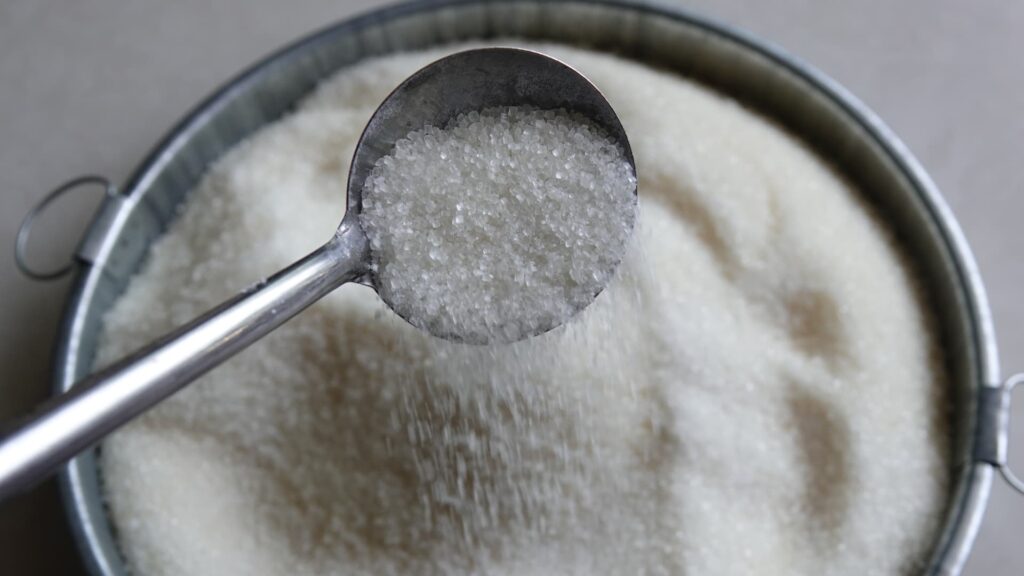
Sugar prices have seen a significant surge lately, increasing by 21.5% in August—the largest monthly gain since 2010. This increase is attributed to various factors including unfavorable weather conditions affecting sugar beet yields in the European Union and looming concerns over El Niño’s impacts on global sugar production. The rise in prices is already influencing market dynamics, with sugar futures beginning to outperform major stock indices for the year.
| Article Subheadings |
|---|
| 1) Factors Driving the Sugar Price Surge |
| 2) The Role of El Niño in Global Production |
| 3) Impacts of Changing Production Practices |
| 4) India’s Strategic Sugar Import Policy |
| 5) The Future of Sugar Prices |
Factors Driving the Sugar Price Surge
In August, global sugar prices rose sharply due to a confluence of factors impacting the supply chain. According to reports, concerns over decreased sugar beet yields in the European Union due to adverse weather served as a significant contributor to the price gain. Alongside this, lower production forecasts from the major producer, Brazil, have led market analysts to reassess their supply expectations. The United Nations’ Food and Agriculture Organization (FAO) highlighted that these trends were part of broader increases in food prices, particularly for sugar, making it the dominant factor in the August price hike.
Analysts like William Osnato, Director of Commodity Data Research at Barchart, point out that recent assessments from various organizations have lowered production estimates or raised anticipated deficits. The European Commission reported a drop in sugar production estimates to 13.4 million metric tons for the coming marketing year, down from 16.6 million tons the previous year. This announcement reflects a 19% decrease, which foreshadows potential market tightness, further driving prices upward.
The Role of El Niño in Global Production
El Niño, characterized by the temporary increase in sea surface temperatures in the Pacific Ocean, poses an additional risk to sugar production in key exporting countries. This climate pattern can disrupt weather patterns, leading to droughts or excessive rainfall that affects agricultural yields. Analysts suggest that the projected severity of the upcoming El Niño could significantly hinder production capacities in Brazil, India, and Thailand, which together account for about 70% of the world’s sugar exports.
Research from Goldman Sachs has raised alarms about lower sugar cane yields due to droughts and potential disruptions caused by high rainfall during harvest periods. This climate anomaly is likely to complicate field operations and can adversely affect the sugar content of sugar cane crops. With the FAO forecasting an anomaly in ocean temperatures peaking significantly, producers are bracing for the effects of El Niño in the coming weeks and months.
Impacts of Changing Production Practices
As the dynamics of sugar production evolve, an added layer of complexity has emerged: the increasing attractiveness of ethanol production as oil prices rise. In Brazil, mills have the capacity to pivot their output from sugar to ethanol depending on market conditions. With current oil prices soaring above $90 a barrel, producers are incentivized to favor ethanol, subsequently reducing the amount of sugar available for global markets. This shift can put further upward pressure on sugar prices.
The reliance on sugar cane as a feedstock for both sugar and ethanol production means that fluctuations in adjacent agricultural markets can impact sugar availability. Given that a weaker corn crop is anticipated due to El Niño-related droughts, researchers speculate that this will drive more sugar cane into ethanol production and limit sugar exports. The cumulative effect of delayed harvests and strategic production decisions in Brazil portends an unstable pricing environment for sugar in global markets.
India’s Strategic Sugar Import Policy
India, the second-largest producer of sugar after Brazil, has recently made strategic moves that could impact both domestic and international markets. The Indian government approved imports of 1 million metric tons of raw sugar without duties to bolster domestic availability amidst lower production forecasts and rising prices. This marks the first such authorization since the 2017-2018 season and could change the dynamics of sugar availability in global markets.
Analysts interpret this action as a response to subpar crop yields following disappointing harvests. This critical decision takes India onto a path of importing raw sugar while simultaneously regulating exports, which could tighten the global supply further. Observers note that with reduced domestic production, India’s increasingly proactive import strategy could signal to other importing countries that the market is facing tighter supplies than previously anticipated.
The Future of Sugar Prices
Looking ahead, many experts remain cautious but optimistic about the future of sugar prices following the recent spikes. With analysts at Citi describing sugar as a “highest-conviction bullish” market, the outlook remains tentative. They have raised their price target to 19 cents per pound over the next quarter, driven by tightening inventories and India’s recent import measures, alongside deteriorating weather conditions in key production areas.
However, uncertainties remain regarding global harvests and the continued threats posed by climatic conditions. As markets respond to temporary spikes, analysts caution that any rebound in production due to favorable weather conditions afterward could lead to price corrections and a recalibration of sugars’ investment attractiveness. Understanding these complex interdependencies will be crucial for stakeholders in making informed decisions as they navigate through the market uncertainties.
| No. | Key Points |
|---|---|
| 1 | Sugar prices have surged by 21.5% in August, marking the highest gain since 2010. |
| 2 | Adverse weather conditions in Europe and production concerns in Brazil have driven prices upward. |
| 3 | The upcoming El Niño is expected to significantly impact sugar production in major exporting nations. |
| 4 | India’s decision to import 1 million metric tons of duty-free sugar could alter global supply dynamics. |
| 5 | Analysts remain cautious yet optimistic about future sugar pricing under current market conditions. |
Summary
The recent surge in sugar prices reflects a complicated interplay of adverse weather conditions, a potential El Niño threat, and strategic policy decisions by major producing countries. As sugar markets experience significant volatility, stakeholders must remain vigilant about changing dynamics that could influence both domestic and international supply. Understanding these underlying factors will be pivotal for navigating the sugar market amidst uncertainties surrounding future production and pricing trends.
Frequently Asked Questions
Question: Why have sugar prices increased significantly recently?
Sugar prices have surged primarily due to adverse weather affecting sugar beet yields in the EU, production shortfalls in Brazil, and concerns about the potential impact of El Niño on global sugar output.
Question: What role does El Niño play in sugar production?
El Niño can disrupt weather patterns crucial for sugar cane and beet crops in major producing countries, leading to droughts or excessive rainfall that can negatively impact yields and sugar quality.
Question: How could India’s sugar import policy affect global markets?
India’s decision to import sugar duty-free is intended to ensure domestic supply amid lower production and rising prices, which may tighten global supply further and influence pricing strategies in other importing countries.