
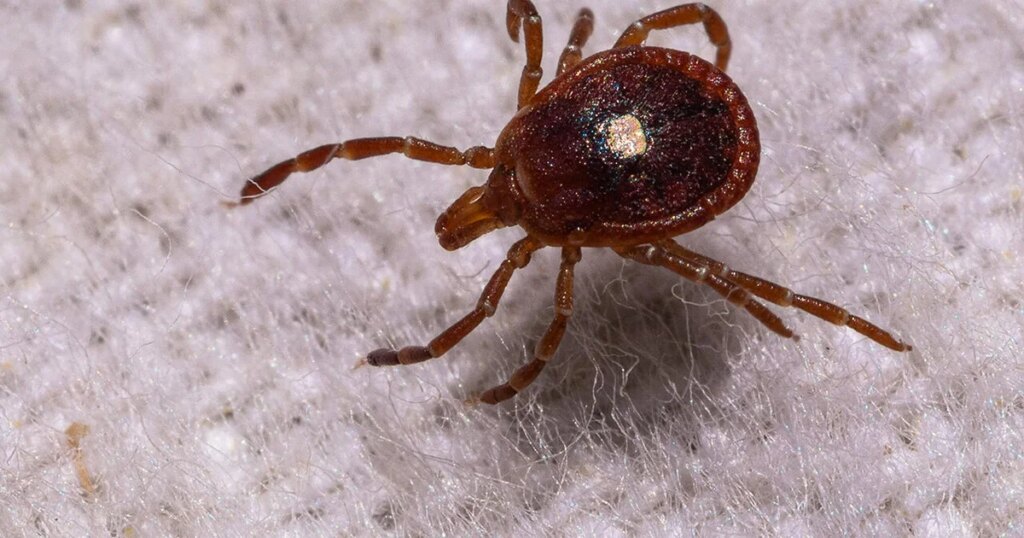
Martha’s Vineyard is grappling with an alarming uptick in tick-related diseases, causing significant concern among residents and visitors alike. The emergence of Alpha-gal syndrome, which induces severe allergic reactions to meat, is transforming how people interact with their environment. The situation has escalated to a point where some families are restricting contact with loved ones for fear of tick bites, highlighting the broader implications of a rising tick population and its associated health risks.
| Article Subheadings |
|---|
| 1) The Rising Threat of Ticks |
| 2) Alpha-gal Syndrome: A New Challenge |
| 3) Community Responses and Adaptations |
| 4) Ecology and Tick Dynamics |
| 5) Prevention and Awareness Measures |
The Rising Threat of Ticks
Ticks have been a source of disease for centuries, with Lyme disease, babesiosis, and Rocky Mountain spotted fever being among the most notorious. However, the current year is notably more severe, marking the highest level of emergency room visits for tick-related incidents in nearly a decade. This rise in tick activity is concerning as ticks begin appearing in new geographical regions, thus extending the risk of bite-related illnesses. The emergence of the lone star tick has been particularly alarming, with its prevalence contributing to the spread of various illnesses.
Residents like Ben DeForest have expressed profound unease about encountering ticks, choosing to avoid natural spaces they once enjoyed. “We stay in the apartment,” he mentioned. “You just don’t know; these things are out there.” This increasing caution underscores a growing awareness of ticks as potential health threats, prompting residents to modify their behaviors when venturing outdoors.
Alpha-gal Syndrome: A New Challenge
Alpha-gal syndrome has emerged as an alarming consequence of tick bites, particularly affecting individuals in Martha’s Vineyard. The syndrome triggers severe allergic reactions to mammalian meat, leading to life-threatening anaphylaxis in some cases. Adriana Stimola, a resident, described her terrifying experience after consuming a hamburger, resulting in rashes and swelling. “About five hours after having a hamburger on the beach at midnight,” she recounted, “I woke up and I have a rash.”
Her family’s experience reflects a broader issue; her children and husband also experienced similar reactions after eating meat. The near-immediate onset of symptoms highlights the serious nature of this allergy, which can extend beyond just avoiding meat to include dairy products and even certain medications. The extent of the problem has become so acute that the community is now discussing dietary habits and lifestyle changes as they navigate life with Alpha-gal syndrome.
Community Responses and Adaptations
In response to the rising concern surrounding tick-borne diseases, many local establishments are modifying their offerings to accommodate those affected by Alpha-gal syndrome. Restuarants like Red Cat Kitchen have even created specialized “Alpha-gal friendly” menus. The restaurant’s owner, Ben DeForest, stated, “When you go out to eat, you don’t necessarily feel like explaining your entire medical history to a stranger who’s taking your order.”
These adaptations show how the community is coming together to address the changing health landscape. The challenge of communicating dietary restrictions is leading to empathy and understanding among residents, who are increasingly conscious of each other’s health concerns. Tables are becoming forums for conversation about not only what’s on the menu but also how individuals navigate their health in a tick-heavy climate.
Ecology and Tick Dynamics
The discussion of tick-borne diseases would be incomplete without mentioning the ecological dynamics that support tick populations. The rise in white-tailed deer, which serve as hosts for ticks—especially the lone star variety—is a significant factor. As Aubrey Stimola Ryan, a local healthcare provider, noted, “One deer can feed 1,500 ticks per season. And one tick can lay 2,000 eggs.” The rapid expansion of both deer and tick populations creates a breeding ground for the spread of diseases like Alpha-gal syndrome.
Experts like Sam Telford III, who studies infectious diseases, emphasize the importance of deer population management. The community’s reticence to consider deer population control measures has started to shift due to the growing awareness of the public health risks associated with tick bites. There’s a renewed belief that decreasing the deer population could potentially reins in tick populations and, in turn, reduce tick-borne disease incidents.
Prevention and Awareness Measures
Despite the alarming rise in tick-related diseases, experts assert that not every tick bite will lead to illness. However, awareness and preventive measures are crucial. Tom Mather, a professor of public health entomology, advocates for proactive choices such as treating clothing with permethrin, a substance known to repel ticks. He also suggests practical tips such as tucking pants into socks to create a physical barrier against tick bites.
Furthermore, individuals are encouraged to check for ticks on their bodies and clothing when returning indoors, particularly in areas where ticks are likely to attach. Aubrey Stimola Ryan urges vigilance, noting effective strategies include tossing clothes in a dryer on high heat for ten minutes to kill any ticks that may have hitched a ride indoors. The mantra of “Check yourself twice a day” is echoed throughout the community as residents take a stand against the invasive tick population.
| No. | Key Points |
|---|---|
| 1 | Martha’s Vineyard faces an alarming increase in tick-related diseases, leading to heightened caution among residents. |
| 2 | The emergence of Alpha-gal syndrome from tick bites represents a new health risk with severe allergic reactions to meat. |
| 3 | Local restaurants are accommodating dietary restrictions due to Alpha-gal syndrome by altering their menus to suit affected individuals. |
| 4 | The growing deer population is directly correlated to the rising tick population, necessitating discussion around wildlife management. |
| 5 | Preventive actions, including proper clothing treatment and vigilant tick checks, are crucial for reducing the risk of tick bites. |
Summary
The ongoing health crisis stemming from tick-borne diseases and alarming allergies such as Alpha-gal syndrome is transforming life on Martha’s Vineyard. As residents adopt precautionary measures and local businesses adapt to new customer needs, the community reflects broader societal concerns about wildlife management and public health. Through awareness and education, residents are better equipped to navigate the challenges posed by this changing landscape.
Frequently Asked Questions
Question: What is Alpha-gal syndrome?
Alpha-gal syndrome is an allergic reaction to carbohydrates found in mammalian meat, which can occur after a bite from certain types of ticks.
Question: How can residents protect themselves from ticks?
Residents can protect themselves by wearing permethrin-treated clothing, checking their bodies regularly for ticks, and ensuring their pets are kept tick-free.
Question: What can be done about the deer population contributing to tick spread?
Community discussions regarding deer population management, including controlled hunts or other measures, may be necessary to control tick populations.