
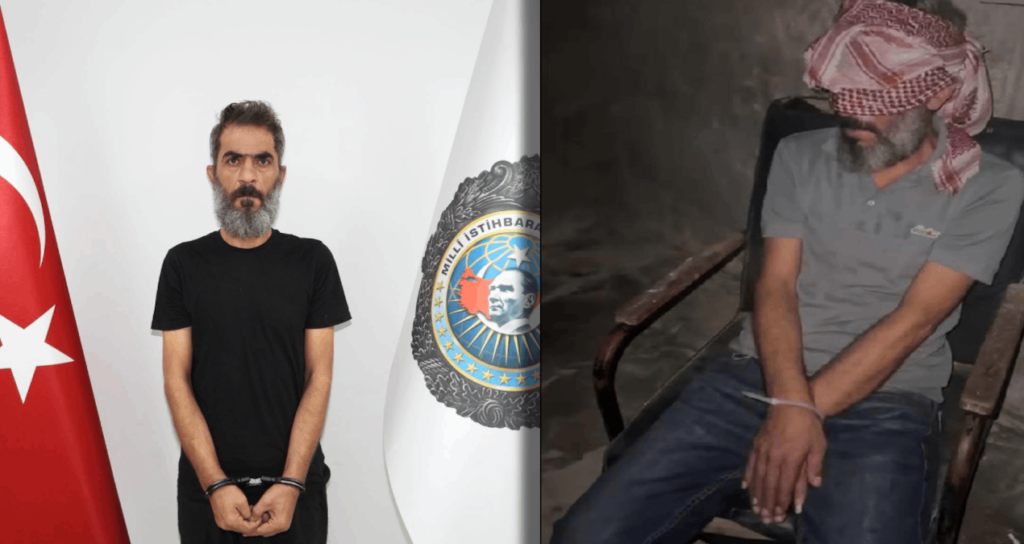
In a significant development related to a tragic incident in Turkey, one of the principal perpetrators of the Reyhanlı attack, which resulted in the loss of 53 lives, has been apprehended while attempting to flee to Europe. Ömer al-Hatip, a Syrian national connected to the operational planning of the assault, was captured following intelligence operations that tracked the individual’s movements since the attack. His detention brings to light the extensive network that facilitated the attack and raises questions about the ongoing threats linked to the fallout of the Syrian civil war.
| Article Subheadings |
|---|
| 1) Background of the Reyhanlı Attack |
| 2) Profile of Ömer al-Hatip |
| 3) Details of the Capture |
| 4) Previous Arrests of Co-Conspirators |
| 5) Implications for Regional Security |
Background of the Reyhanlı Attack
On May 11, 2013, the quiet town of Reyhanlı in Turkey’s Hatay province was shaken by two devastating bomb blasts, forever altering the lives of its residents. This attack resulted in the deaths of 53 people and left many others wounded, marking it as one of the deadliest assaults in Turkey’s recent history. The chaos ensued as 912 homes, 891 workspaces, and 148 vehicles were damaged due to the explosions, which occurred in close proximity to the Reyhanlı Municipality and the PTT (Postal Services) building. This tragic event was attributed to extremist factions exploiting the instability created by the ongoing Syrian civil war. It highlighted the transnational implications of the war, where conflicts spill over into neighboring countries, affecting innocent civilians far away from the frontline.
Profile of Ömer al-Hatip
Born in Idlib, Syria, in 1976, Ömer al-Hatip emerged from the tumult of civil unrest to become a significant figure within pro-regime factions. Following the outbreak of civil unrest, he relocated to Latakia and joined the notorious “Şebbiha” groups, which were largely blamed for violence against opposition forces. Through his actions, al-Hatip established a close network with military intelligence figures, notably the then-head of the Military Intelligence Latakia Branch, Kifah Melhem. His expertise in coordinating attacks and logistics proved vital for the regime’s operations, ultimately leading to his role in orchestrating the Reyhanlı attack. Al-Hatip entered Turkey illegally in February 2013, where he conducted reconnaissance, enabling the successful execution of the bombing.
Details of the Capture
Al-Hatip’s capture is the culmination of detailed intelligence work conducted by Turkey’s National Intelligence Organization (MİT). Following the Reyhanlı attack, MİT closely monitored al-Hatip’s movements within Syria and tracked his plans to escape to Europe. On the brink of executing his escape via maritime routes, intelligence units executed a coordinated operation to apprehend him, successfully bringing him back to Turkey for trial. This operation underscores the persistent vigilance of Turkish intelligence in combating threats linked to extremist networks and their attempts to infiltrate Europe, aiming to prevent the potential for further tragedies.
Previous Arrests of Co-Conspirators
The capture of Ömer al-Hatip adds to a series of arrests over the years targeting those involved in the Reyhanlı attack. The ongoing investigations led to the apprehension of several co-conspirators: Yusuf Nazik was captured in 2018, followed by Cengiz Sertel in 2024. The subsequent years also saw the capture of others, including Muhammed Dib Koralı and Temir Dükancı in 2025. The collaborative efforts of Turkish law enforcement and intelligence have worked tirelessly to dismantle the networks responsible for this attack, seeking justice for the victims and their families while reaching into the depths of a complex web of relationships formed under the shadow of war.
Implications for Regional Security
The apprehension of al-Hatip brings to the forefront concerns regarding ongoing security threats emanating from the Syrian conflict. The Reyhanlı attack serves as a harrowing reminder of how extremist groups can exploit chaos for their agendas, threatening not only Turkey but also the broader region. Al-Hatip’s connections to military intelligence within the Bashar Assad regime illustrate the intricate relationships that exist and the lengths to which individuals go to facilitate violence across borders. This incident raises pressing questions about border security, counter-terrorism strategies, and international cooperation in intelligence-sharing to combat extremist ideologies…
| No. | Key Points |
|---|---|
| 1 | Ömer al-Hatip was arrested while attempting to escape to Europe. |
| 2 | The Reyhanlı attack in 2013 killed 53 people and damaged hundreds of properties. |
| 3 | Al-Hatip was a key figure in planning and executing the attack, connected to military intelligence in Syria. |
| 4 | Previous arrests of other co-conspirators underscore ongoing investigations into the attack. |
| 5 | The situation highlights the regional security challenges linked to the Syrian civil war. |
Summary
The capture of Ömer al-Hatip marks a significant breakthrough in the investigation of the Reyhanlı bombing, bringing justice closer to the victims and their families. It reveals the intricate ties between local and international actors in the realm of terrorism, reflecting the broader implications of the ongoing conflict in Syria. As the international community continues to confront the threats posed by such extremist networks, this incident serves as a reminder of the importance of vigilance, cooperation, and proactive measures in safeguarding lives and maintaining regional stability.
Frequently Asked Questions
Question: Who was Ömer al-Hatip?
Ömer al-Hatip is a Syrian national who played a crucial role in planning the Reyhanlı attack in Turkey, which resulted in significant loss of life and property destruction.
Question: What was the Reyhanlı attack?
The Reyhanlı attack occurred on May 11, 2013, and involved two bomb explosions that killed 53 individuals and injured many others in the Hatay province of Turkey.
Question: How was al-Hatip captured?
Al-Hatip was captured by Turkish intelligence (MİT) while he was attempting to flee to Europe, following a detailed surveillance operation that tracked his movements after the Reyhanlı attack.