
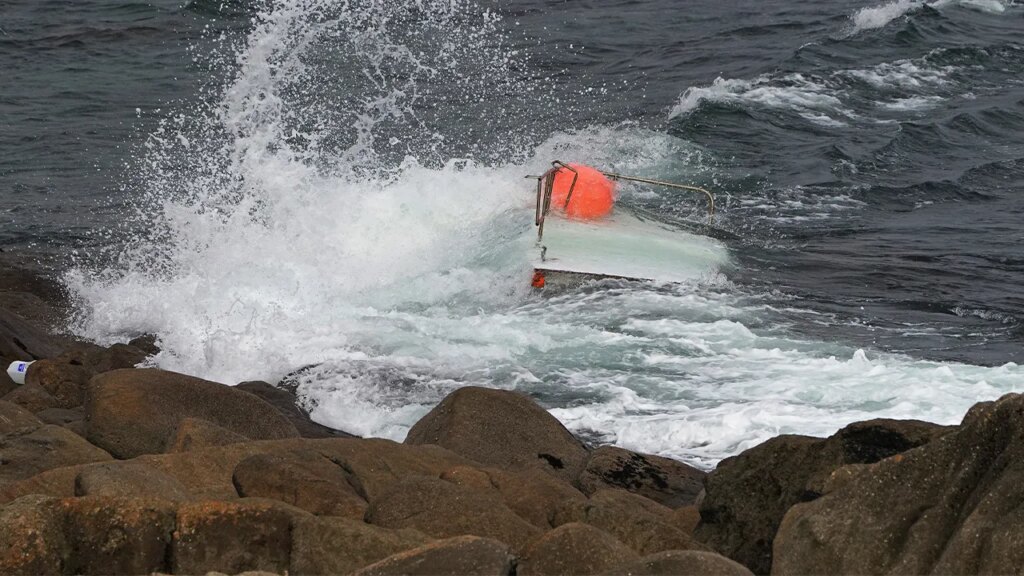
In a harrowing incident off the coast of Alaska, a 15-year-old boy was rescued after being found clinging to an overturned fishing vessel on Monday. The United States Coast Guard (USCG) reported that the boy was experiencing symptoms of hypothermia at the time of his rescue. Unfortunately, two others aboard the vessel were not as fortunate and were discovered deceased following the capsizing incident. This tragic event unfolded amidst challenging weather conditions that delayed rescue efforts.
| Article Subheadings |
|---|
| 1) Overview of the Incident |
| 2) Rescue Operations |
| 3) Survival and Recovery |
| 4) Community Response |
| 5) Future Precautions |
Overview of the Incident
The capsizing of the fishing vessel occurred approximately four miles east of St. Lawrence Island, an area known for its challenging waters. The incident began to unfold on Sunday evening when the Alaska State Troopers alerted the USCG that the vessel had failed to return as anticipated at 3 a.m. on that day. This prompted immediate concern and action from local authorities, given the reputation of Alaskan waters for being particularly treacherous, especially under adverse weather conditions.
According to official reports, three individuals were aboard the fishing vessel which measured 18 feet in length. As darkness fell and conditions worsened, concern for the missing mariners mounted, leading to a formal search operation initiated by the Coast Guard on Monday morning. The delay in launching the search was attributed to poor visibility and inclement weather, factors that are all too familiar in the region and which significantly hindered the response time.
Rescue Operations
Early Monday morning, Coast Guard crews commenced their rescue operations, deploying an aircrew to survey the area. The search proved a formidable task due to continuous adverse weather, including high winds and rough seas. Despite these challenges, the aircrew was determined to locate the missing vessel quickly.
After hours of searching, the team spotted the lone survivor, the 15-year-old boy, who was found clinging to the capsized vessel. His precarious situation prompted the immediate deployment of a raft containing survival equipment. Rescue personnel were quick to establish contact with the survivor, ensuring he received the medical attention he so urgently required.
In a twist of fate, a nearby good Samaritan vessel also played a crucial role in the rescue. This vessel not only helped in retrieving the teenager but also assisted in recovering the bodies of the two deceased mariners from the frigid waters. Such collaborative efforts among community members and rescue officials exemplify the spirit of cooperation prevalent during distressing times.
Survival and Recovery
Upon recovery, the young survivor was found to be experiencing severe hypothermia, a life-threatening condition that can result from prolonged exposure to cold water. Medical personnel promptly treated him on-site before transferring him to Nome, Alaska, where he could receive comprehensive medical care. His condition, while serious, was stabilized thanks to the rapid response of both the Coast Guard and the good Samaritan vessel crew who acted quickly in a high-pressure situation.
The deceased mariners were also transported to shore. Their bodies were treated with the utmost respect as officials ensured that their families would be able to begin the healing process. The loss of life in such incidents often creates a profound impact not only on the families involved but also the wider community that feels the tragedy deeply.
Community Response
The tragic capsizing incident sparked an outpouring of support and condolences from the local community and across the state. As the news broke, community members expressed their heartfelt sorrow for the families affected by the loss of their loved ones. Vigils and community gatherings were organized to honor the deceased and celebrate the life of the young survivor, who is now a focal point of discussions around safety and preparedness on the water.
Local fishing groups and maritime organizations are expected to engage in dialogue concerning boating safety and survival training, underscoring the importance of awareness and preparedness among all who venture into Alaska’s aquatic environments. Community forums are likely to address these pressing topics in the wake of such incidents, aiming to reduce the chances of similar tragedies occurring in the future.
Future Precautions
The capsizing of the fishing vessel serves as a stark reminder of the inherent risks associated with boating in Alaska’s unpredictable weather. In response to this tragic event, several preventative measures are likely to be discussed among local authorities and community stakeholders. Education on boating safety, the importance of wearing life jackets, and having emergency plans in place are crucial topics that need reinforcement.
Moreover, enhanced training sessions for boaters can ensure that individuals are equipped with necessary survival skills. High on the agenda will be practical drills simulating capsizing and methods of re-righting a vessel from a submerged state, which can be invaluable in real-life emergencies. Additionally, fostering a stronger sense of community responsibility—encouraging boaters to keep informed about weather conditions and travel commensurate with their skill levels—can significantly improve safety on the water.
| No. | Key Points |
|---|---|
| 1 | A 15-year-old survivor was rescued after a fishing vessel capsized off Alaska. |
| 2 | The Coast Guard faced challenges in rescue operations due to severe weather conditions. |
| 3 | Community members and good Samaritans played a vital role in the recovery efforts. |
| 4 | The tragic incident has prompted discussions on boating safety and preparedness. |
| 5 | Authorities are likely to reinforce safety training for local boaters in future initiatives. |
Summary
In conclusion, the capsizing of the fishing vessel off Alaska’s coast highlights both the dangers associated with maritime activities and the remarkable resilience of communities in crisis. While the loss of two lives is tragic, the survival of one young individual serves as a testament to the strength of quick thinking and collaboration among rescue teams and community members alike. Moving forward, it is crucial that proactive measures are taken to enhance safety protocols to prevent future incidents. The community, now more aware of the potential dangers, is poised to respond with renewed vigor to ensure the safety of all mariners.
Frequently Asked Questions
Question: What was the cause of the boat capsizing?
The exact cause of the capsizing remains under investigation, but it is believed that adverse weather conditions played a significant role in the incident.
Question: What actions did the Coast Guard take during the rescue?
The Coast Guard initiated a search operation after the fishing vessel was reported overdue, launching an aircrew and deploying rescue resources to locate and assist the survivors.
Question: How can boaters in Alaska prepare for emergencies?
Boaters should equip themselves with survival gear, ensure they wear life jackets, stay informed about weather conditions, and participate in safety training to prepare for potential emergencies on the water.