
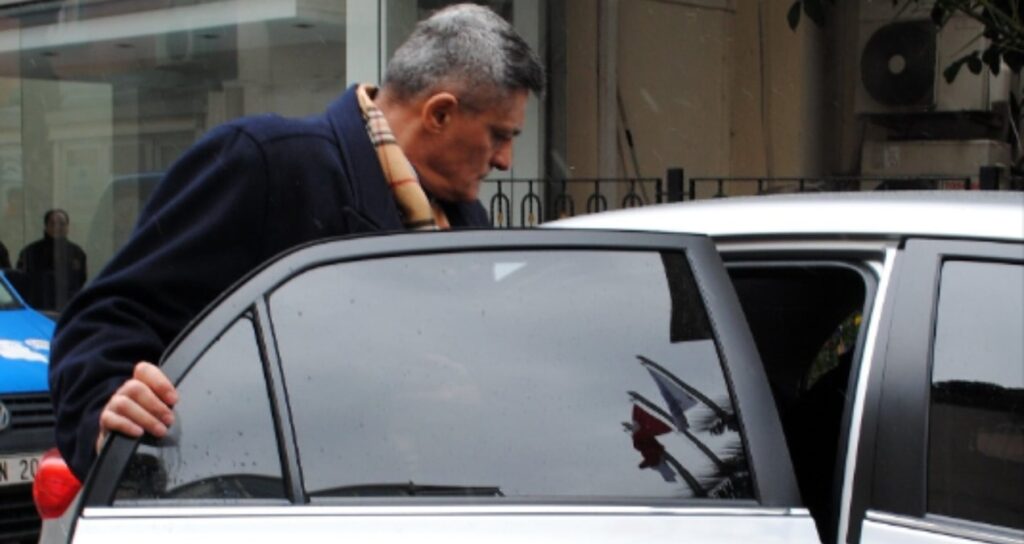
A significant development has emerged in the investigation surrounding the untimely death of former National Intelligence Organization (MİT) Foreign Operations Department Head, Kaşif Kozinoğlu. Eleven individuals have been issued detention orders, including ten prison personnel implicated in the circumstances surrounding Kozinoğlu’s death, which occurred in November 2011 while he was in custody. The investigation, which had been reopened following the discovery of new evidence, points to lapses in duty by prison staff, particularly one guard who is now a fugitive.
| Article Subheadings |
|---|
| 1) Overview of Kozinoğlu’s Case |
| 2) Details of the New Investigation |
| 3) The Role of the Fugitive Guard |
| 4) Reactions from Officials |
| 5) Implications for Justice |
Overview of Kozinoğlu’s Case
The investigation into the death of Kaşif Kozinoğlu has undergone significant scrutiny over the years, particularly after he died suddenly from what was described as a heart attack in Silivri Prison on November 13, 2011. At the time of his death, Kozinoğlu was embroiled in the Ergenekon cases, which involved allegations of an underground network purportedly conspiring against the government. His surprising demise raised immediate suspicions, particularly given the timing just days before a key court appearance.
Following Kozinoğlu’s death, which led to a wave of inquiries, the situation was further complicated by the narrative surrounding the prison environment and the chain of custody regarding medical care. Initially, an investigation was conducted that concluded there was no need for prosecution. However, lingering doubts and questions from the public persisted regarding the circumstances that truly led to his passing.
Details of the New Investigation
Years later, new evidence prompted a re-examination of the case, leading to the recent actions by the Silivri Chief Public Prosecutor’s Office. Following a meticulous review of the original investigation files, medical documents, and statements from witnesses, the decision was made to lift the previous non-prosecution ruling, indicating serious oversight or misconduct may have existed.
The current investigative efforts have resulted in legal proceedings against 11 suspects, primarily involving staff who were on duty at the time of Kozinoğlu’s death. Of these, ten have been detained, while one has reportedly fled abroad, prompting significant legal discussions regarding international extradition protocols. Officials aim to meticulously gather evidence that could be crucial in holding those accountable for any recklessness or negligence that contributed to Kozinoğlu’s death.
The Role of the Fugitive Guard
Central to the renewed scrutiny is the figure of Ferhat Veysi Gül, the guard responsible for monitoring Kozinoğlu’s ward. Allegations surrounding Gül suggest that he neglected his duties during a critical health emergency involving Kozinoğlu. Reports indicate that during the moments immediately before Kozinoğlu’s death, Gül allegedly increased the volume of his radio rather than responding to Kozinoğlu’s pressing of the emergency button, a moment that may have determined the outcome of the situation.
Gül’s subsequent disappearance from the jurisdiction following Kozinoğlu’s death has fueled further speculation, with claims that he went into hiding to evade scrutiny. His eventual flight to France post-2016, amidst the cleansing of alleged Fethullahist elements from Turkish institutions, has compounded fears that he might never be held accountable for his alleged actions.
Reactions from Officials
In light of the revived investigation, officials, including the Minister of Justice, Akın Gürlek, have made public statements emphasizing a commitment to uncover the truth regarding suspicious deaths involving former officials. The Minister stated,
“We are determined not to leave any suspicious deaths in the dark, even as the years pass. We re-examine the files that raise a question mark in the public conscience, regardless of the time that has passed, and we track down every piece of evidence that can be found.”
This robust commitment indicates a serious approach to ensuring accountability in matters of state secrecy and alleged cover-up.
In addition, the Minister confirmed that every aspect of the case, from camera footage to eyewitness accounts, is under scrutiny as part of the comprehensive investigation. This collaboration between the Silivri Chief Public Prosecutor’s Office and various law enforcement agencies aims to facilitate a thorough understanding of the events leading to Kozinoğlu’s tragic death.
Implications for Justice
The investigation’s revival suggests a growing awareness and acknowledgment of the potential injustices surrounding the original handling of Kozinoğlu’s case. In the context of Turkey’s political climate, instances involving high-profile individuals have often attracted considerable attention, leading to complex legal battles and widespread public discourse.
If the investigation leads to successful prosecutions, it could pave the way for similar cases to be reopened, addressing unresolved public grievances relating to state accountability. A commitment to these investigations sends a powerful message regarding transparency and justice, crucial elements that underpin a functional civil society.
| No. | Key Points |
|---|---|
| 1 | Detention orders were issued for 11 individuals, including 10 prison personnel linked to Kozinoğlu’s death. |
| 2 | The investigation was reopened due to the emergence of new evidence suggesting negligence and misconduct. |
| 3 | The guard in charge at the time, Ferhat Veysi Gül, is currently a fugitive with a red notice issued for his arrest. |
| 4 | Government officials have publicly committed to uncovering the truth behind suspicious deaths. |
| 5 | The case raises questions about state accountability, especially concerning the treatment of politically charged deaths. |
Summary
The reopening of the case concerning Kaşif Kozinoğlu‘s death marks a pivotal moment in the pursuit of justice within a politically sensitive landscape. With key allegations of neglect emerging, not only does this invite a fresh wave of scrutiny upon corrections and legal systems, but it also reinforces the importance of accountability for actions taken by state personnel. As authorities pursue investigations against the implicated individuals, including the fugitive guard, the outcome could lead to potential reforms regarding oversight and conduct within the penitentiary system.
Frequently Asked Questions
Question: Who was Kaşif Kozinoğlu?
Kaşif Kozinoğlu was the head of the Foreign Operations Department at Turkey’s National Intelligence Organization, and he was implicated in the Ergenekon trials.
Question: Why was there initial skepticism surrounding Kozinoğlu’s death?
The sudden nature of his death just days before a significant trial, along with allegations of negligence by prison staff, raised serious questions about the circumstances of his demise.
Question: What actions have been taken against the prison personnel involved?
Detention orders were issued for 11 personnel linked to Kozinoğlu’s case, resulting in the detention of ten suspects while one remains at large.