
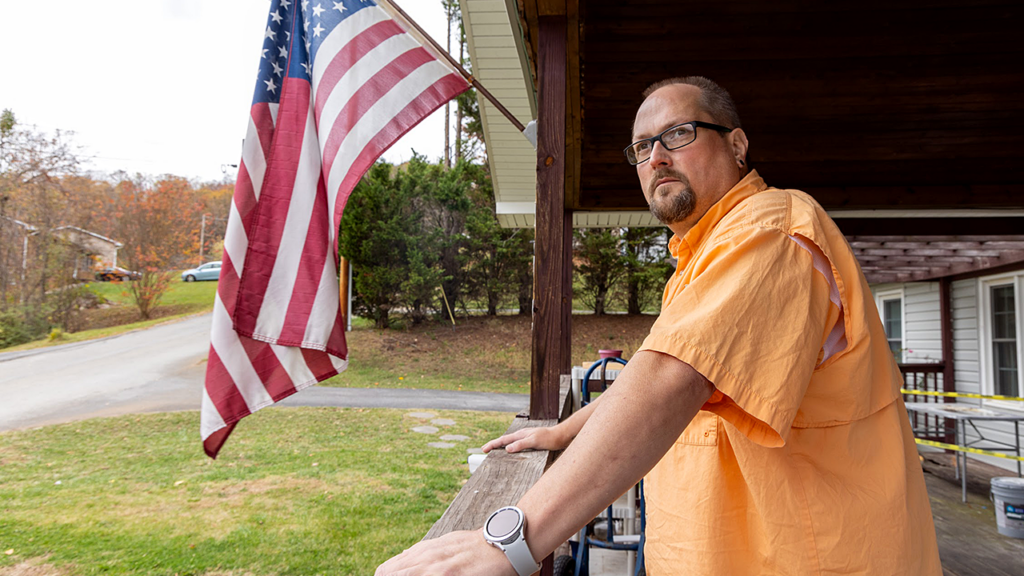
A significant legal case has emerged from Kingsport, Tennessee, where a resident has taken action against the local police department after a confrontation over First Amendment rights. The plaintiff, Joshua Gibbons, alleges that police officers arrested him in retaliation for criticizing their behavior while filming a police vehicle. Following Gibbons’ arrest during a pre-dawn raid, which was made public only after the dismissal of his charges, the case has garnered attention from civil liberty organizations advocating for individual expression. His lawsuits against the city, its police chief, and involved officers raise important questions about law enforcement’s accountability and citizens’ rights to criticize police conduct.
| Article Subheadings |
|---|
| 1) Overview of the Incident and Arrest |
| 2) Legal Actions and Court Proceedings |
| 3) Implications for First Amendment Rights |
| 4) Responses from Legal Analysts and Advocates |
| 5) Community and National Reactions |
Overview of the Incident and Arrest
In October 2022, during a routine outing, Joshua Gibbons observed a Kingsport Police Department SUV driving without its lights or sirens at night. Intrigued by this apparent breach of protocol, Gibbons filmed the incident, subsequently expressing his frustration at the driver’s negligence as the police vehicle stopped at a fast-food drive-thru. This exchange sparked a series of events that culminated in Gibbons’s arrest barely nine days later. During the pre-dawn hours, eight heavily armed officers raided Gibbons’ home, detaining him in front of his family. This raid raised concerns about the extensive police response used against a citizen who had documented, and publicly criticized, police behavior.
Witnesses to the arrest noted the overwhelming number of officers present for what appeared to be a minor infraction concerning traffic regulations. The incident may catalyze discussions about police practices regarding the treatment of citizens who assert their rights by filming police activity. According to reports, at least one elderly family member and a child were present at the scene during the raid, amplifying concerns regarding excessive police force.
Legal Actions and Court Proceedings
After the raid, Joshua Gibbons faced multiple charges, including disorderly conduct, speeding, and using a cell phone while driving. Following a series of legal proceedings that spanned nearly four years, Gibbons was ultimately vindicated when the Tennessee Court of Criminal Appeals dismissed the disorderly conduct charge, stating there was insufficient evidence that Gibbons’ actions obstructed any lawful activity. This outcome was framed by the court as a reaffirmation of the necessity for law enforcement officers to endure criticism as part of their duty, given their professional responsibilities.
The initial trials revealed a mixed outcome. In the first trial, a judge acquitted Gibbons on some charges but ruled against him on the disorderly conduct allegation, which Gibbons later appealed, leading to further deliberation in higher courts. The appellate court unequivocally rejected the notion that Gibbons’ statements constituted threats or impediments to police duties. The court’s ruling emphasized a fundamental aspect of free speech: even if remarks occur in a profane manner, they do not necessarily translate to criminal behavior.
Implications for First Amendment Rights
This case provokes significant discussions about First Amendment rights in the context of citizen-police interactions. According to civil rights advocates, the implications extend beyond this particular incident, indicating a broader trend where law enforcement may retaliate against citizens exercising their constitutional right to critique public servants. The lawsuit filed by Gibbons, backed by the Foundation for Individual Rights and Expression (FIRE), aims to highlight these concerns while advocating for the robust protection of free speech.
Furthermore, the systematic approach taken by the Kingsport Police Department in this case reflects a potential misuse of power. Adam Steinbaugh, a senior attorney with FIRE, stated that the police’s reaction to Gibbons’ public criticism speaks volumes about the culture within some law enforcement agencies—that of prioritizing image over accountability. The legal ramifications of this case could lead to heightened scrutiny of police conduct, thereby impacting future policies regarding how police departments respond to public criticism.
Responses from Legal Analysts and Advocates
In light of the developments surrounding Gibbons’ case, legal analysts and civil rights advocates are echoing warnings about the dangerous precedent it sets if police departments feel empowered to act against individuals exercising their First Amendment rights. Many believe that the swift actions taken against Gibbons could deter others from sharing their experiences or concerns regarding police conduct, which is crucial for maintaining police accountability.
Legal experts argue that law enforcement officials must be prepared to endure scrutiny from the public and media. The case becomes a touchstone for further discussion about what constitutes acceptable behavior for both police and citizens. There needs to be a mutual understanding wherein citizens feel encouraged to voice concerns without fear of retribution, while police officers are reminded of their duty to uphold the rights of individuals, even in the face of criticism.
Community and National Reactions
In response to the events surrounding Joshua Gibbons, community members have taken to social media to voice their concerns about the police’s conduct and the broader implications it may hold for civil liberties. Local activists have organized discussions and forums to address public safety and police accountability, emphasizing the need for transparency in law enforcement practices.
Nationally, the case has drawn attention from free speech advocates who are highlighting the importance of protecting dissent against authority. These advocates argue that capturing police behavior is a civic duty that should be encouraged rather than stifled. The circumstances surrounding Gibbons’ arrest resonate with various movements that scrutinize police practices across the country, igniting calls for reform in how law enforcement responds to public criticism.
| No. | Key Points |
|---|---|
| 1 | The incident began when Joshua Gibbons filmed a police vehicle violating traffic policy. |
| 2 | Gibbons was subsequently arrested in a pre-dawn raid involving multiple officers. |
| 3 | The Tennessee Court of Criminal Appeals dismissed charges against Gibbons due to lack of evidence. |
| 4 | The case raises important questions about First Amendment protections against policing retaliation. |
| 5 | Community and national reactions are pushing for greater accountability and reform in police practices. |
Summary
The legal battle initiated by Joshua Gibbons against the Kingsport Police Department underscores critical issues regarding the intersection of free expression and policing practices. Gibbons’ case raises essential questions about how police interact with citizens, particularly those who seek to hold them accountable. The outcome of this case may not only impact Kingsport but could also set a precedent for how similar incidents are addressed nationwide, encouraging ongoing dialogue regarding civil liberties and the essential role of public scrutiny in maintaining law enforcement integrity.
Frequently Asked Questions
Question: What were the charges against Joshua Gibbons?
Gibbons faced charges of disorderly conduct, speeding, and using a cell phone while driving, stemming from an incident in which he criticized a police officer’s behavior.
Question: How did the legal proceedings conclude for Gibbons?
The Tennessee Court of Criminal Appeals ultimately overturned Gibbons’ conviction and dismissed the disorderly conduct charge, citing insufficient evidence.
Question: What are the wider implications of this case for free speech?
This case brings attention to the rights of citizens to criticize police conduct without fear of retaliation and emphasizes the need for police departments to tolerate scrutiny as a part of their role in society.