
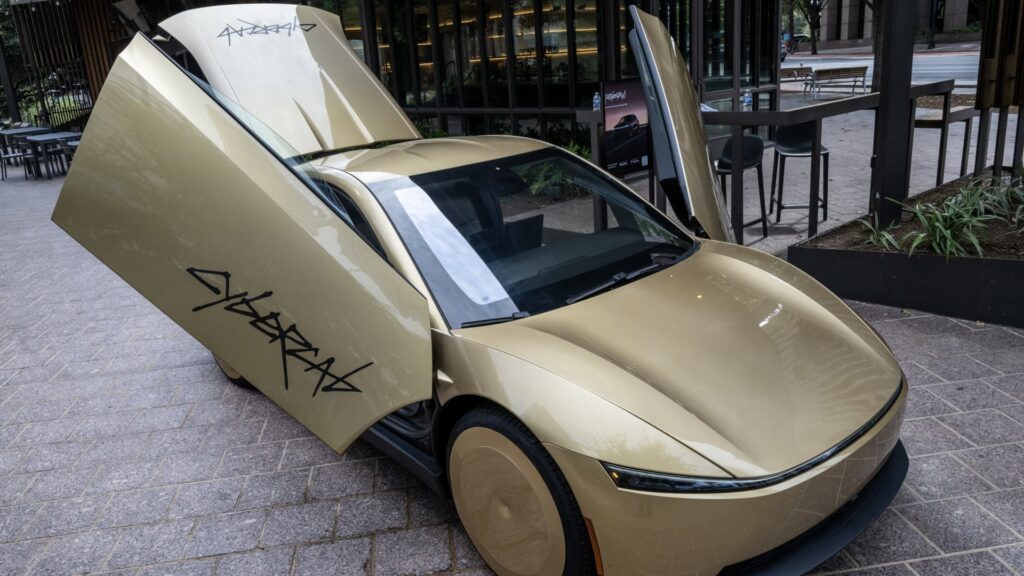
Tesla has made significant strides in its autonomous vehicle technology with the launch of its “Cybercab” in Austin, Texas, which commenced commercial operations on September 3, 2026. In just a month since the rollout, the company has increased its authorized driverless vehicle fleet from 45 to 169. Despite this rapid expansion, the Cybercab service has encountered a variety of issues, including lengthy wait times and technical malfunctions, sparking a series of mixed reviews from initial riders. The company is under pressure to address these challenges while navigating regulatory scrutiny, all amid a backdrop of increasing competition from rival firms like Waymo and ongoing challenges in the overall automotive market.
| Article Subheadings |
|---|
| 1) Tesla’s Expansion of Cybercab Services |
| 2) Passenger Experiences and Challenges Encountered |
| 3) Regulatory Scrutiny and Safety Concerns |
| 4) Comparison with Competitors in the Autonomous Vehicle Space |
| 5) Future Prospects and Market Impact |
Tesla’s Expansion of Cybercab Services
Tesla’s Cybercab service in Austin has rapidly escalated in scale since its launch, with the number of autonomous vehicles approved for commercial use nearly quadrupling within just a month. From an initial 45 Cybercabs at launch, the total has swelled to 169, as reported by the Texas Department of Motor Vehicles. This aggressive expansion is seen as a necessary move for Elon Musk, as the company attempts to reignite investor excitement amid a challenging overall market landscape. With driverless vehicles at the forefront of its strategy, Tesla aims to foster a robust Robotaxi service to position itself as a leader in the emerging autonomous vehicle sector.
Passenger Experiences and Challenges Encountered
Despite the rapid increase in Cybercab numbers, the experience for some initial passengers has been mixed, marked by various operational issues. Users have reported long waiting periods for rides, with some experiencing delays upwards of 45 minutes, particularly during the early days following the launch. Technical issues have also surfaced, including problems with the Cybercab’s butterfly doors and trunk closures, as well as instances of pickups and drop-offs occurring in unintended locations. Some riders expressed satisfaction with having ample space and access to entertainment features, but overall, the feedback has highlighted the need for refinements in the service quality and user experience. Continuous improvements will be essential as Tesla seeks to build a loyal customer base.
Regulatory Scrutiny and Safety Concerns
As Tesla pushes forward with its Cybercab initiative, it faces scrutiny from regulatory bodies, particularly concerning safety standards. The National Highway Traffic Safety Administration (NHTSA) recently launched an audit query into the Cybercab’s compliance with federal safety guidelines. Originally, Tesla was required to provide a comprehensive response to numerous safety-related questions by September 30, but the company received an extension. Concerns have been raised by first responders regarding how to effectively manage incidents involving the Cybercab, which lacks traditional manual controls. The complexities of operating a robotaxi fosters a desire among public safety representatives for more regulatory measures that would enhance operability and emergency response capabilities.
Comparison with Competitors in the Autonomous Vehicle Space
Tesla is not alone in the growing autonomous vehicle market, facing stiff competition from established players such as Waymo. As of now, Waymo has expanded its operations to 15 U.S. markets, boasting a fleet of 1,154 commercial autonomous vehicles, which includes an array of model types tailored for consumer needs. Waymo’s robust service record, which includes over 270 million miles of fully autonomous driving and a high volume of paid rides—200,000 rides per week—highlights an operational maturity that Tesla is still striving to attain. In contrast, Tesla remains focused on its unique offerings, like the Cybercab, in a bid to capture market share but must address significant barriers in service efficiency and operational reliability to stay competitive.
Future Prospects and Market Impact
Looking ahead, Tesla’s strategy for its Cybercab initiative involves not only improving service in Austin but also a broader expansion plan across Texas and beyond. With states like Nevada and Florida favorable to autonomous vehicle regulations, opportunities abound for Tesla to extend its reach. Elon Musk’s vision for Tesla’s robotaxis encompasses a widespread national presence by the end of 2026. However, the company must rectify current operational challenges and possibly adjust its technology and service delivery to shift public perception and bolster safety confidence. Analysts remain cautiously optimistic regarding Tesla’s prospects, given the unprecedented potential within the autonomous vehicle market, contingent upon addressing the core issues currently plaguing the Cybercab service.
| No. | Key Points |
|---|---|
| 1 | Tesla’s Cybercab service has expanded significantly in Texas, with vehicle numbers jumping from 45 to 169 in one month. |
| 2 | Initial rider experiences report mixed reviews, including long wait times and technical malfunctions. |
| 3 | Regulatory bodies are scrutinizing Tesla’s adherence to safety standards following their Cybercab launch. |
| 4 | Waymo remains a key competitor, boasting a more extensive operational footprint and more mature service delivery. |
| 5 | Future expansion plans for Tesla include moving into cities across Texas, Nevada, and Florida to capitalize on favorable regulations. |
Summary
The launch and rapid expansion of Tesla’s Cybercab service in Austin mark a critical phase in the company’s strategy to become a leader in the autonomous vehicle sector. Despite facing challenges such as mixed passenger experiences and increased regulatory scrutiny, Tesla’s growth in this area epitomizes the dynamic landscape of the driverless ride-hailing market. As the company works on enhancing its technology and addressing operational hurdles, its future endeavors will not only impact company performance but may reshape public acceptance of autonomous vehicles at a broader level.
Frequently Asked Questions
Question: What is Tesla’s Cybercab?
Tesla’s Cybercab is an autonomous taxi service launched in Austin, Texas, featuring driverless vehicles designed to operate without traditional controls like steering wheels and pedals.
Question: How has the public responded to Tesla’s Cybercab service?
Initial public response has been mixed, with passengers reporting both positive experiences with the vehicles’ amenities and concerns regarding long wait times and technical issues.
Question: What challenges does Tesla face with its Cybercab expansion?
Tesla faces technical challenges, regulatory scrutiny regarding safety compliance, and the need to enhance customer satisfaction to ensure the successful expansion of its Cybercab service.