
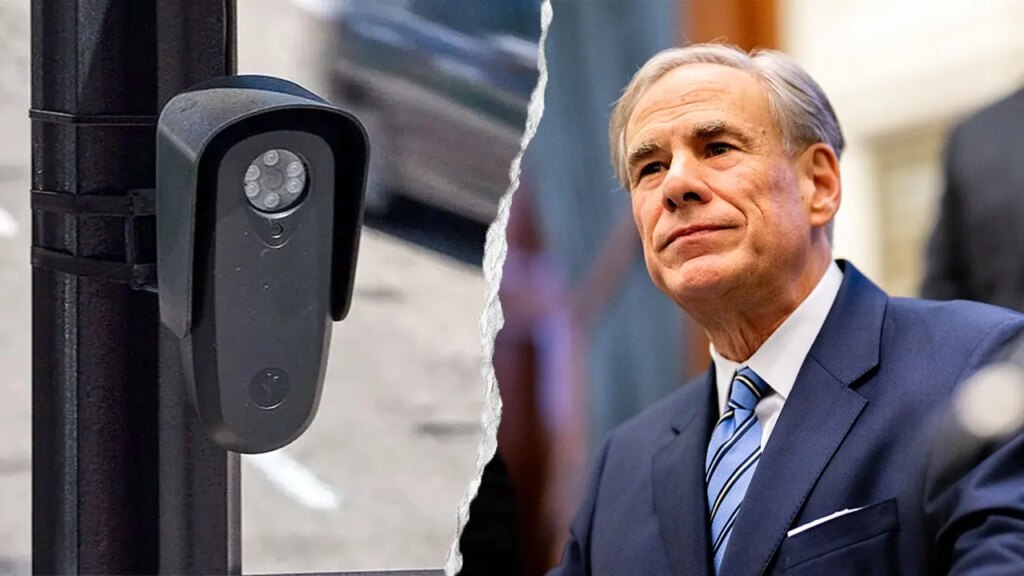
The increasing deployment of AI-powered Flock surveillance cameras across Texas has sparked bipartisan backlash due to growing concerns regarding individual privacy. Texas Governor Greg Abbott recently announced plans to pause state funding for these cameras, which have come under severe scrutiny following an escalation of privacy debates nationwide. Local governments, motivated by community pressure, are increasingly opting to terminate their contracts with Flock, as the issue of surveillance technology prompts significant political discourse.
| Article Subheadings |
|---|
| 1) Overview of Flock Surveillance Technology |
| 2) Growing Backlash and Privacy Concerns |
| 3) Local Governments Response |
| 4) Support for Surveillance Technology |
| 5) Federal Scrutiny and Future Concerns |
Overview of Flock Surveillance Technology
Flock Safety, established as a notable provider of automated license plate readers (ALPRs), has installed thousands of cameras across Texas since its inception. These AI-powered devices work by photographing passing vehicles and capturing crucial identifying information, such as the vehicle’s make, model, color, and even distinctive features like bumper stickers or dents. Flock’s technology enables law enforcement agencies to access an extensive network of camera data, allowing for timely investigations into criminal activities, missing persons, and vehicle thefts.
The data collected from these cameras facilitates the compilation of a robust database that law enforcement can tap into for investigations, providing a significant advantage in locating suspects or stolen vehicles. As of recent estimates, Flock has been reported to operate over 120,000 cameras across 49 states, conducting over 20 billion vehicle scans every month. This massive scale of data collection raises essential questions about how such information is stored, who accesses it, and how it is used.
Growing Backlash and Privacy Concerns
As the deployment of Flock cameras expands, substantial resistance has emerged, not only in Texas but across the nation. Governor Greg Abbott‘s recent directive to pause funding illustrates a growing recognition among officials regarding the potential infringement upon citizens’ privacy rights. Concerns have been voiced regarding the lack of sufficient regulations governing the use of surveillance data, with critics likening the potential effects of pervasive monitoring to an “Orwellian” state.
Many communities have expressed unease about how data from Flock’s cameras could be misused or shared without proper oversight. Opponents argue that while the cameras are intended as crime-fighting tools, their capacity to generate mass surveillance poses a legitimate risk to individual freedoms. The renewed scrutiny around privacy has spurred debates regarding the ethical implications of widespread surveillance and the need for legislative measures to ensure privacy protections are in place.
Local Governments Response
Several municipalities in Texas are taking decisive action in light of the backlash against Flock cameras. The Pflugerville City Council, for instance, recently voted unanimously to terminate its contract with Flock, effectively eliminating 28 camera readers previously used for monitoring. Similarly, Hood County’s Commissioners Court has also severed ties, directing the removal and covering of its three cameras. These developments reflect a paradigm shift as local governments reassess their reliance on technology that may compromise data integrity and citizen privacy.
Local authorities, motivated by community feedback and the demand for transparency in surveillance practices, are considering alternative measures for public safety that do not heavily rely on invasive technology. The growing sense of accountability demonstrated by these governments underscores a burgeoning desire to balance safety concerns with the protection of civil liberties in the face of advancing technology.
Support for Surveillance Technology
Despite the criticism, numerous proponents of Flock’s technology advocate that it plays a critical role in ensuring public safety. Supporters, including some law enforcement leaders, argue that the ability to track down suspects, recover stolen vehicles, and enhance community security justifies the use of these cameras. Paris Lewbel, a spokesperson for Flock Safety, reiterated that their technology is a vital asset for police, aiding in the resolution of serious crimes while promoting safer communities through responsible usage.
Furthermore, the argument for surveillance technology often leans on its perceived effectiveness in crime prevention and detection. Advocates maintain that, when paired with robust policies for transparency and data protection, tools such as Flock’s cameras can operate without infringing on personal rights. The ongoing dilemma, however, rests in finding that balance—strategic implementations can bolster law enforcement efforts without compromising private citizen rights.
Federal Scrutiny and Future Concerns
The discussion surrounding Flock’s cameras extends beyond local and state jurisdictions, garnering attention on a national scale. Federal figures, such as Senator Josh Hawley, have initiated inquiries to better understand the data-sharing protocols in place and the broader implications of Flock’s extensive surveillance network. Hawley has previously described Flock as controlling an “unprecedented national surveillance network,” raising concerns about the ethical implications of such a vast data collection system.
As the pressures for accountability increase, state representatives, including Texas Agriculture Commissioner Sid Miller, have urged for a reassessment of policies regarding new surveillance technologies. There are calls for implementation of stricter regulations that govern the use of such cameras, establishing essential guardrails to protect citizens from potential overreach in data collection and privacy violations. This growing scrutiny points to a decidedly cautious approach moving forward, as stakeholders seek to address public concerns while ensuring effective crime-fighting tools continue to be accessible.
| No. | Key Points |
|---|---|
| 1 | Texas Governor Greg Abbott has ordered a pause on state funding for AI-powered Flock surveillance cameras due to privacy concerns. |
| 2 | Local governments in Texas are increasingly terminating their contracts with Flock following community pushback and privacy debates. |
| 3 | Supporters of Flock technology assert its value in public safety, claiming it assists law enforcement in solving crimes effectively. |
| 4 | There is heightened federal scrutiny on Flock’s operations, prompting inquiries regarding data privacy and sharing practices. |
| 5 | The debate over surveillance technology underscores the need for regulatory frameworks balancing effective law enforcement with protecting individual privacy rights. |
Summary
The rising tensions surrounding the use of Flock surveillance cameras in Texas represent a critical juncture in the conversation about privacy, civil liberties, and public safety. As local governments reconsider their commitments to such technology amid community concerns, the actions taken by officials underscore a collective responsibility to safeguard individual rights. This ongoing dialogue highlights the necessity for regulatory measures ensuring transparency and responsible use of advanced surveillance technologies as society navigates the complexities of public safety in the digital age.
Frequently Asked Questions
Question: What are Flock surveillance cameras used for?
Flock surveillance cameras are used primarily for monitoring vehicle movement by capturing license plate information, assisting law enforcement in locating stolen vehicles, tracking criminal suspects, and enhancing public safety.
Question: Why are cities moving to cancel contracts with Flock?
Cities are canceling contracts with Flock due to growing concerns over privacy, data sharing, and the potential misuse of information collected by these surveillance cameras.
Question: What concerns are associated with the use of surveillance technology?
Concerns include potential violations of privacy rights, lack of transparency in data usage, and the risk of creating a surveillance state where citizens are monitored without sufficient oversight.