
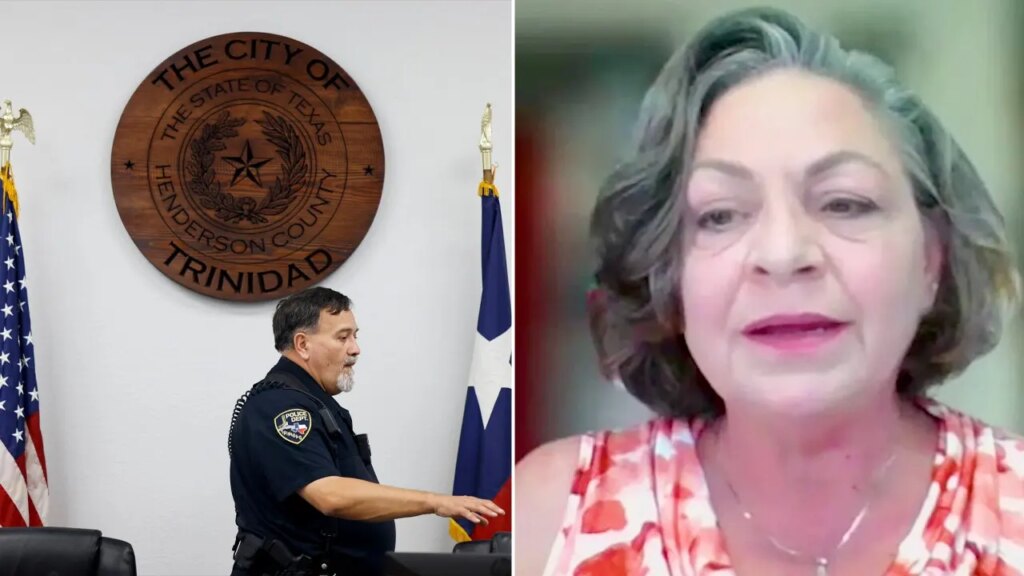
In a striking incident from Trinidad, Texas, the arrest of a local mother has raised serious concerns about governmental accountability and freedom of expression. The mother, identified as Jennifer Combs, was detained for using social media to discuss discolored water in her hometown. Following her arrest, Winston Noles, a protester, was also charged but ultimately had his case dismissed by Municipal Judge Shellena Bivens, who was subsequently fired under contentious circumstances. This saga has triggered a flurry of legal actions and investigations related to the town’s water issues and governmental conduct.
| Article Subheadings |
|---|
| 1) Overview of the Arrest Incident |
| 2) Legal Implications and Court Proceedings |
| 3) The Fallout from Judicial Decisions |
| 4) Investigations into Water Quality Issues |
| 5) Community Reactions and Broader Implications |
Overview of the Arrest Incident
The controversy began when Jennifer Combs took to Facebook to share complaints from local residents regarding the discoloration of their water. She used the platform to galvanize public attention around an issue that seemed to be ignored by local authorities. However, the situation escalated dramatically when Trinidad police arrested her, citing a felony charge of making a false alarm or report. This arrest was predicated on the assertion that her post had caused public panic, leading to unnecessary emergency responses.
Combs spent 23 hours in jail before being released when a grand jury ultimately declined to indict her. She is now pursuing a federal lawsuit against the city for political retaliation, arguing that her actions were simply her exercising her right to free speech and addressing a pressing community issue. The Houston native’s situation exemplifies the complex entanglements of social media use in local governance, and it has sparked broader debates regarding the limits of free expression in the face of perceived governmental misconduct.
Legal Implications and Court Proceedings
Following her arrest, another local individual, known as Winston Noles, a citizen journalist, decided to protest outside Trinidad City Hall regarding the treatment of Combs. He displayed a sign that criticized law enforcement. The police quickly arrested Noles, charging him with misdemeanor disorderly conduct. However, the case was put before Judge Shellena Bivens, who had been a judge for 16 years.
During the court proceedings, Judge Bivens reviewed the evidence and chose to dismiss the charges, stating that the evidence did not substantiate the claims made against Noles. Despite her professional judgment, her decision was met with retaliation from city officials. Following the dismissal of charges, Bivens reported that local authorities had effectively ended her judicial career. “I’ve been a damn good judge,” she asserted, emphasizing her commitment to fairness and justice.
The Fallout from Judicial Decisions
The case surrounding Bivens took a dramatic turn when the Trinidad City Council convened on May 28 and voted 3-1 to dismiss her from her judicial position shortly after she dismissed Noles‘s charges. The council’s action has been called into question by several parties, including Bivens‘s attorney, who maintains that the dismissal was unlawful without sufficient justification. Upon returning to her job, Bivens discovered that her security access had been revoked, effectively barring her from her office.
Disregarding a judge’s legal decision on the basis of external pressures raises serious ethical concerns about the processes within local government. Bivens expressed disbelief at how her adherence to legal standards regarding a disorderly conduct charge could lead to such severe repercussions. “This has been such a crazy journey,” she noted, reflecting on the unexpected development of events stemming from a seemingly benign social media post.
Investigations into Water Quality Issues
The much controversial usage of Facebook has been linked to actual grievances concerning the quality of water in Trinidad. Following public concerns, state investigators from the Texas Commission on Environmental Quality conducted two investigations into the town’s water system. Their findings revealed that the Trinidad water system had been in violation of state regulations. Particularly, there were deficiencies regarding total chlorine and iron levels.
The first investigation indicated that the system had resumed compliance only after residents were placed under a boil water notice. A second investigation uncovered four additional violations, including issues with chloramine sampling and maintenance at the treatment facility. These findings substantiate the allegations voiced by the residents and support the basis for Combs‘s original social media post.
Community Reactions and Broader Implications
As the community processed the arrest of Combs and the subsequent judicial turmoil, numerous residents expressed their outrage on social media and community forums. Many voiced support for Combs and Noles, condemning what they perceive as government overreach and a failure to address legitimate public concerns about water quality. The implications extend beyond Trinidad, raising questions about government accountability, public safety, and citizen rights.
In the wake of these events, the Texas Rangers have initiated an investigation into the Trinidad Police Department, stating that they are assessing the circumstances surrounding the arrests and the enforcement of laws related to public gatherings and free speech. Community members worry about how these events may discourage others from speaking out on important issues.
| No. | Key Points |
|---|---|
| 1 | The arrest of Jennifer Combs highlights the intersection of social media and local governance. |
| 2 | Judge Shellena Bivens faced repercussions for dismissing a protester’s charges. |
| 3 | The Trinidad water system was found to have multiple regulatory violations. |
| 4 | State and local investigations are ongoing concerning police conduct and municipal management. |
| 5 | Public concerns over policy and accountability reflect broader community sentiments. |
Summary
The unfolding events in Trinidad, Texas, have not only highlighted serious questions regarding government accountability but have also emphasized the importance of an individual’s right to free speech. The incidents, stemming from what began as public concern over water quality, resulted in arrests and legal challenges that have stirred the community and prompted investigations. The actions of local authorities have drawn scrutiny, illustrating the fine balance between governance, citizen dissent, and public welfare. As these events develop, they continue to resonate with broader implications for communities nationwide faced with similar issues.
Frequently Asked Questions
Question: What triggered the arrest of Jennifer Combs?
The arrest of Jennifer Combs was triggered by her use of Facebook to voice community complaints about discolored water in Trinidad, leading to a felony charge of false alarm or report.
Question: What was the outcome for the charges against Winston Noles?
The disorderly conduct charges against Winston Noles were dismissed by Judge Shellena Bivens, who found insufficient evidence to support the accusations made against him.
Question: What findings did the Texas Commission on Environmental Quality discover?
The Texas Commission on Environmental Quality found that Trinidad’s water system had several violations, including issues with chlorine levels and maintenance deficiencies, reinforcing local concerns voiced by citizens.