
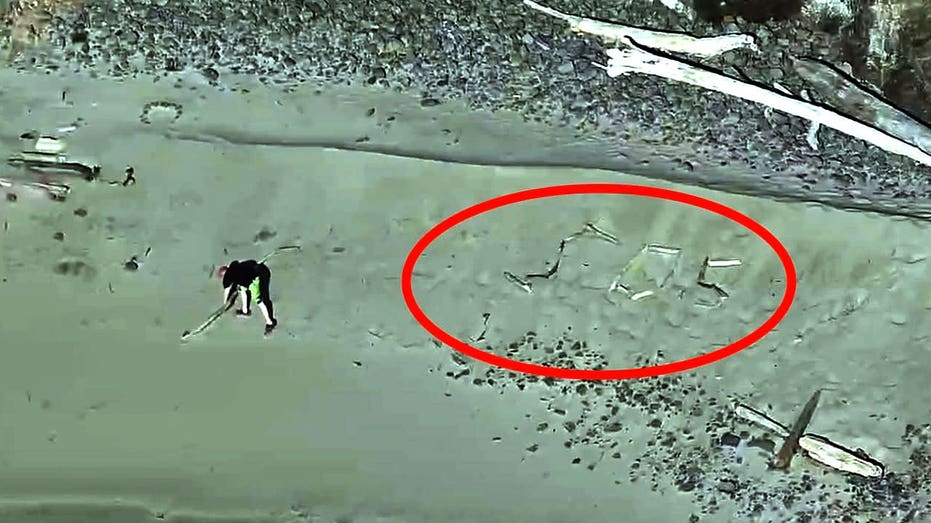
Three tourists were rescued from Oregon’s secluded Lost Boy Beach after an incoming tide cut off the only route back to the mainland. The group had visited the isolated cove in Tillamook County for a dramatic photograph and remained stranded for about five hours on Wednesday, September 16. Firefighters used ropes, life vests and a drone-assisted operation after an emergency satellite signal reached 911.
The visitors suffered minor bumps and bruises. The incident highlighted the risks of exploring Oregon’s remote coastline without checking tide conditions. Local officials said the beach can become inaccessible quickly, particularly when sneaker waves and cold water make waiting for the tide to fall unsafe.
| 1) | Tourists become stranded as the tide rises |
|---|---|
| 2) | Emergency crews locate the group at Lost Boy Beach |
| 3) | Rope-assisted rescue moves visitors through dangerous surf |
| 4) | Officials warn about deceptive coastal conditions |
| 5) | Lost Boy Beach has a long history of hazardous access |
Tourists Become Stranded as the Tide Rises
The three visitors traveled to Lost Boy Beach on Oregon’s northern coast on September 16 seeking a dramatic photograph of the secluded shoreline. The beach lies in a cove in Tillamook County and can be reached only by crossing rocky terrain and passing through a sea cave open at both ends.
At low tide, the small beach may appear accessible. As the water rises, however, the tide blocks the only practical exit. The group remained on the shrinking beach for roughly five hours after becoming cut off from the mainland. Their situation became more dangerous as the surf advanced and the visitors became wet and cold.
Emergency Crews Locate the Group at Lost Boy Beach
Regular mobile phone service was reportedly unavailable at the bottom of the steep cliffs surrounding the cove. The tourists used an emergency satellite feature to contact 911, allowing authorities to identify the problem despite the lack of conventional reception.
The responding fire district used a drone to survey the location. Aerial footage showed the stranded visitors spelling “SOS” with sticks on the beach. The signal helped rescuers confirm that the group needed assistance rather than simply waiting for the tide to change.
Rope-Assisted Rescue Moves Visitors Through Dangerous Surf
Responders initially considered allowing the tide to recede before attempting an extraction. They instead chose an active rescue because of rough surf, sneaker waves and the visitors’ exposure to cold water. Waiting could have left the group in a more hazardous position as the available beach continued to narrow.
Rescuers stayed close to the remaining shoreline and secured themselves with ropes rather than wading directly through unpredictable water. After reaching the tourists, the crew supplied life vests and attached the group to safety lines. The visitors were guided through the surf to a secure area where they could continue walking out without assistance.
“When people are stranded there, we may not be able to get to them,” said fire district Chief Jeff McBrayer.
The three tourists escaped with minor bumps and bruises. No more serious injuries were reported in connection with the rescue.
Officials Warn About Deceptive Coastal Conditions
After the operation, Jeff McBrayer urged visitors to seek local advice or check tide information before entering isolated coastal areas. His warning focused on how quickly conditions can change, especially where cliffs, caves and surf leave no safe alternative route.
“You have to ask a local or check a tide app on a phone for tide information,” McBrayer said.
A beach reachable during a brief low-tide window may become separated from the rest of the coast before visitors are ready to leave. Rough water and sneaker waves can further limit rescuers’ ability to reach anyone who is trapped.
Lost Boy Beach Has a Long History of Hazardous Access
Lost Boy Beach is located south of a tall basalt cliff between Short Beach to the north and Tunnel Beach, also known as Star Trek Beach, to the south. Unlike Short Beach, which gained a community-built staircase of about 100 steps around 2000, Lost Boy Beach has never had safe overland access.
The cove’s name comes from a local legend about a young boy who was believed to have drowned after being trapped by the incoming tide. The story has not been verified, but the name has remained in use for about a century and reflects the area’s longstanding reputation for unpredictable conditions.
Reaching the beach from either neighboring area is considered exceptionally dangerous. Access may be possible only during rare extreme low tides that occur a few times a year, making careful planning essential for anyone considering the route.
| Number | Key Point |
|---|---|
| 1 | Three tourists were trapped for about five hours by the incoming tide. |
| 2 | The group used an emergency satellite feature after losing regular cell service. |
| 3 | Rescuers used drones, ropes and life vests to guide the visitors through surf. |
| 4 | Officials cited rough surf, sneaker waves and cold exposure in choosing an active rescue. |
| 5 | Visitors were advised to consult local experts or tide information before exploring the cove. |
Summary
The Lost Boy Beach rescue underscores the risks of visiting isolated coastal areas without confirming tide times and exit routes. The tourists reached emergency services and were located before the rising water and rough surf caused more serious harm. Officials continue to stress that the beach’s limited access and changing conditions require careful preparation.
Frequently Asked Questions
Where is Lost Boy Beach?
Lost Boy Beach is a secluded cove on Oregon’s northern coast in Tillamook County, between Short Beach and Tunnel Beach.
Why were the tourists unable to leave?
The incoming tide covered the route through the cove and left the group on a shrinking section of beach. Regular cell service was also unavailable below the surrounding cliffs.
How were the visitors rescued?
Firefighters used a drone to locate the group, then reached them with rope protection. The visitors received life vests, were attached to safety ropes and were guided through the surf to a secure area.
What should visitors do before exploring remote beaches?
They should ask local authorities or residents about conditions and check reliable tide information before entering an area with limited access or no alternative exit.