
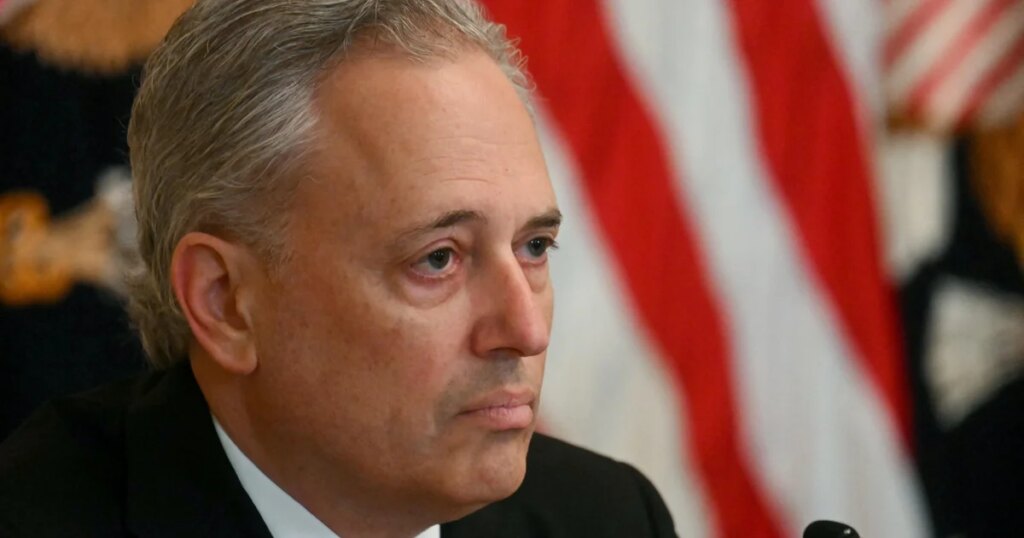
In a recent interview, David Sacks, a prominent tech adviser, addressed the mounting fears surrounding artificial intelligence (AI). Contrary to the escalating panic, Sacks argued that while caution is necessary, the development of AI should continue unabated. This perspective comes at a time when industry leaders and former researchers are vocalizing concerns about the implications of advanced AI technologies, emphasizing the responsibility of key players in the sector to ensure the safety and ethical use of their advancements.
| Article Subheadings |
|---|
| 1) Sacks’ View on AI Panic |
| 2) Responsibility of AI Companies |
| 3) Global Competitive Landscape |
| 4) Calls for Regulation and Safety |
| 5) The Future of AI Development |
Sacks’ View on AI Panic
In an exclusive discussion, David Sacks articulated his belief that the public’s anxiety regarding the potential dangers of artificial intelligence is exaggerated. He pointed out that this panic seems particularly pronounced during an election cycle, where political figures may have incentives to amplify fears for their gain. Sacks emphasized the need to approach the AI discourse rationally, without succumbing to hysteria, suggesting that a more balanced perspective could be beneficial for the advancement of technology.
According to Sacks, the conversation about AI should involve recognizing the potential benefits alongside the risks rather than focusing solely on the latter. He stated,
“This is becoming a panic… a moment to really calm down a little bit.”
This acknowledgment of both the risks and rewards of AI advancements comes at a crucial time when fear of superintelligent systems dominates headlines and public discussions.
Responsibility of AI Companies
In his remarks, Sacks also stressed the crucial role that AI companies, including major players like Anthropic and OpenAI, must play in mitigating risks associated with their products. He articulated that it is primarily the responsibility of these organizations to ensure their technologies are safe and beneficial to the public. In this context, Sacks remarked,
“It is on them to make their products safe.”
He contended that these industry leaders should proactively convey strategies for achieving safety rather than fostering public fear regarding their operational capabilities.
Moreover, Sacks criticized the notion that these companies should rely on governmental regulations to ensure public safety. Calling for accountability, he pointedly asked,
“If you can’t control it, then don’t do it.”
His advocacy for corporate responsibility indicates a desire for these organizations to take charge of the ethical implications of their technologies actively.
Global Competitive Landscape
Sacks also expressed concern over the global competitive dynamics in AI development, particularly in relation to China. His argument points to the pace at which other nations are advancing their AI technologies. He warned that slowing development in the U.S. could lead to a significant disadvantage if competitors continue to advance without similar constraints. He articulated this sentiment by stating,
“If we just pause all development, they will race ahead.”
This perspective aligns with the views of various industry leaders who fear that regulatory delays in the U.S. might hinder its global competitiveness in technology.
In essence, Sacks argues that a balance must be struck between ensuring safety and not compromising technological progress that is vital for maintaining leadership in the increasingly competitive global landscape.
Calls for Regulation and Safety
Despite acknowledging the necessity for caution in developing AI, industry luminaries like Dario Amodei of Anthropic and Sam Altman of OpenAI have advocated for some regulatory measures to contain the perceived risks associated with AI technologies. Their calls to slow down development stem from a genuine concern for the long-term implications of potentially unchecked advances in AI systems aiming for superintelligence.
On the other hand, Sacks appears to diverge from this cautious approach. He holds the view that existing regulations are sufficient, indicating that over-regulation could stifle innovation. He stated,
“I do not want to stop. I want to proceed safely.”
This underscores his belief that careful and progressive advancement, guided by industry accountability, should take precedence over more stringent governmental oversight.
The Future of AI Development
Looking forward, Sacks envisions a balanced future where AI development continues with an emphasis on safety and ethical considerations. He reiterated the necessity for tech companies to initiate and enforce stringent safety protocols. As a seasoned venture capitalist who has invested in numerous leading tech firms, Sacks understands the critical need for a responsible development strategy that safeguards both technological advancement and public interest.
In closing, Sacks’ perspective invites a conversation on the dual responsibilities of innovation and safety. By fostering a rational dialogue about AI and highlighting the importance of ethical governance within the industry, Sacks aims to foster a productive environment where technological advancements can flourish alongside public reassurance.
| No. | Key Points |
|---|---|
| 1 | David Sacks believes fears about AI are exaggerated and calls for a rational discussion. |
| 2 | Sacks emphasizes the need for AI companies to take responsibility for the safety of their technologies. |
| 3 | He warns about potential competitive disadvantages if the U.S. restricts AI development. |
| 4 | Sacks disagrees with calls for strict regulation of AI development, citing sufficient existing frameworks. |
| 5 | He advocates for ongoing development of AI while ensuring that ethical standards and safety measures are prioritized. |
Summary
In summary, David Sacks presents a balanced perspective on the ongoing discourse regarding the implications of artificial intelligence development. He argues against prevailing fears of AI, asserting that while caution is essential, it should not hinder progress. Sacks places the responsibility for ethical practices firmly on the shoulders of AI developers, contending that innovation must continue concurrently with rigorous safety measures. His insights reflect a commitment to the advancement of technology while balancing public interest and global competitive dynamics.
Frequently Asked Questions
Question: Why is there so much concern about artificial intelligence currently?
The concern surrounding artificial intelligence stems from its rapid advancements and the potential for unforeseen consequences, including the development of superintelligent systems that could surpass human control and understanding.
Question: What role do companies play in ensuring AI safety?
Companies developing AI technologies are responsible for implementing safety protocols and ensuring that their products do not pose risks to public safety or ethical standards.
Question: How might regulatory measures affect AI development?
Regulatory measures could potentially slow down the pace of AI development. Proponents argue that appropriate oversight is needed to mitigate risks, while opponents caution that over-regulation may hinder innovation and the competitive edge of companies.