
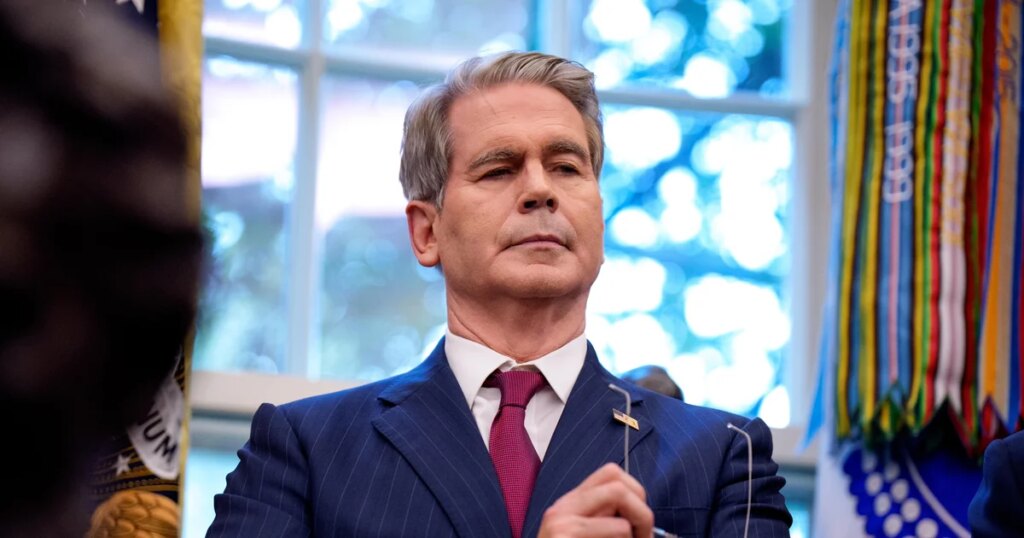
The investigation into potential misuse of Minnesota tax dollars has garnered significant attention after allegations emerged that funds may have inadvertently supported the terrorist group al Shabaab. U.S. Treasury Secretary Scott Bessent announced the inquiry, criticizing the current administration’s handling of these funds. The situation intensified this week when the House Oversight Committee, led by Representative James Comer, initiated further investigations into systematic fraud linked to state welfare programs.
| Article Subheadings |
|---|
| 1) Allegations of Fund Misuse |
| 2) Background on Fraud Claims |
| 3) Community Impact and Reactions |
| 4) Official Responses and Investigations |
| 5) Broader Implications of the Inquiry |
Allegations of Fund Misuse
The scrutiny surrounding Minnesota’s welfare funding began when Treasury Secretary Scott Bessent stated that tax money, intended for public assistance, may have been diverted to al Shabaab, a group deemed a foreign terrorist organization by the U.S. government. This announcement was made via a post on X and was prompted by a series of reports suggesting that millions from Minnesota’s welfare programs had potentially fallen into the hands of this extremist group. Bessent’s comments highlight the significant concerns regarding the allocation of state resources and the efficacy of its oversight mechanisms.
The context of Bessent’s remarks stems from a November 19 article published by City Journal, a conservative outlet, which indicated that various welfare funds may have unintentionally supported al Shabaab’s operations. These claims have escalated into a wider dialogue regarding the transparency and accountability of funding in light of recent fraud cases that have emerged within the state. There is rising pressure for officials to investigate the alleged misuse of public funds, as various political figures, including Rep. Tom Emmer, have called for federal prosecutors to take action.
Background on Fraud Claims
Minnesota’s public assistance programs have recently become entangled in a web of fraud allegations, with reports indicating that a staggering $250 million was involved in misleading activities connected to the nonprofit Feeding Our Future. Federal prosecutors allege that this organization, along with its partners, deceived the government by falsely claiming to provide meals during the COVID-19 pandemic. These acts of fraud have raised alarms, not only regarding the integrity of financial aid but also about the individuals behind these schemes.
As the situation unfolded, dozens of individuals have been charged, with many associated with Minnesota’s thriving Somali community. Notably, former investigator Kayseh Magan has emphasized that while community members may be implicated in these schemes, many others have also fallen victim to these fraudulent activities. This troubling reality underscores the complex dynamics within communities heavily reliant on public resources, where the actions of a few can tarnish wide segments of the population.
Community Impact and Reactions
The unfolding events have political, social, and economic implications for Minnesota, particularly affecting its Somali community. Following successive allegations from former President Donald Trump asserting that the state has turned into a “hub of fraudulent money laundering,” these claims have polarized opinions within the community and beyond. Many local leaders are urging for a more nuanced discussion about the Somali population, highlighting that the portrayal of an entire community based on the actions of a few is unjust and harmful.
Governor Tim Walz has publicly defended the Somali community, urging against blanket demonization and stating that it is essential to distinguish between individuals involved in fraud and the community as a whole. His position serves as an attempt to foster unity and resilience among the affected communities and combat the stigma that has emerged from the ongoing investigations.
Official Responses and Investigations
In direct response to the evolving situation, Rep. James Comer, the chairman of the House Oversight Committee, announced an official investigation into the fraud allegations that have plagued Minnesota’s welfare system. His communication directed towards Governor Walz emphasizes significant concerns over the administration’s management of public funds. Comer seeks clarity on what actions were taken within the administration to limit or prevent further fraud and calls for documents that shine light on the efforts made.
Governor Walz’s administration has expressed commitment to cooperating with all investigations. In remarks last week, his office reiterated support for transparency, indicating a willingness to explore the extent of fraud outcomes and ensure accountability for financial oversight. This exchange will be crucial in restoring public trust in Minnesota’s welfare programs and reassuring taxpayers regarding the security of state funds.
Broader Implications of the Inquiry
The implications of this ongoing investigation are likely to resonate beyond just the immediate issues of fraud in Minnesota. The allegations of funding reaching terrorist organizations—though largely unverified—bring to light the vulnerabilities within public assistance frameworks, particularly regarding oversight processes. A 2019 report from the Minnesota Office of the Legislative Auditor, which could not conclusively substantiate claims about Child Care Assistance funds going to terror groups, nonetheless acknowledged the possibility of funds being diverted overseas. This awareness challenges lawmakers to evaluate existing systems of fiscal accountability comprehensively.
Amidst these allegations, local and national discourse has shifted, prompting discussions about how welfare reform may be necessary to safeguard against future vulnerabilities. A broader narrative is emerging concerning the balance between ensuring adequate assistance for vulnerable populations and establishing robust systems to prevent fraud.
| No. | Key Points |
|---|---|
| 1 | Allegations have emerged regarding Minnesota tax dollars potentially supporting al Shabaab. |
| 2 | The House Oversight Committee is investigating widespread fraud in state welfare programs. |
| 3 | Federal prosecutors have charged numerous individuals related to a $250 million fraud scheme. |
| 4 | Governor Walz has voiced support for the Somali community amidst allegations. |
| 5 | Existing welfare systems are being scrutinized for potential vulnerabilities regarding fraud. |
Summary
The ongoing investigations into Minnesota’s welfare malpractices spotlight critical issues surrounding the management of public funds and the integrity of social assistance programs. As officials analyze the extent of fraud and potential links to terrorism, the implications could lead to significant reforms aimed at enhancing accountability and safeguarding taxpayer dollars. Furthermore, an unjust portrayal of Minnesota’s Somali community highlights the pressing need for constructive dialogue as the investigation unfolds.
Frequently Asked Questions
Question: What is the main focus of the investigations in Minnesota?
The investigations are centered on allegations that Minnesota tax dollars may have inadvertently supported the terrorist organization al Shabaab, stemming from claims of widespread fraud in state welfare programs.
Question: Who is leading the investigation into these fraud allegations?
The investigation is being spearheaded by the House Oversight Committee, chaired by Representative James Comer.
Question: How have local leaders responded to the fraud allegations?
Local leaders, including Governor Tim Walz, have publicly defended the Somali community in light of the allegations, condemning unfair portrayals and emphasizing the need to differentiate between individual actions and the community as a whole.