
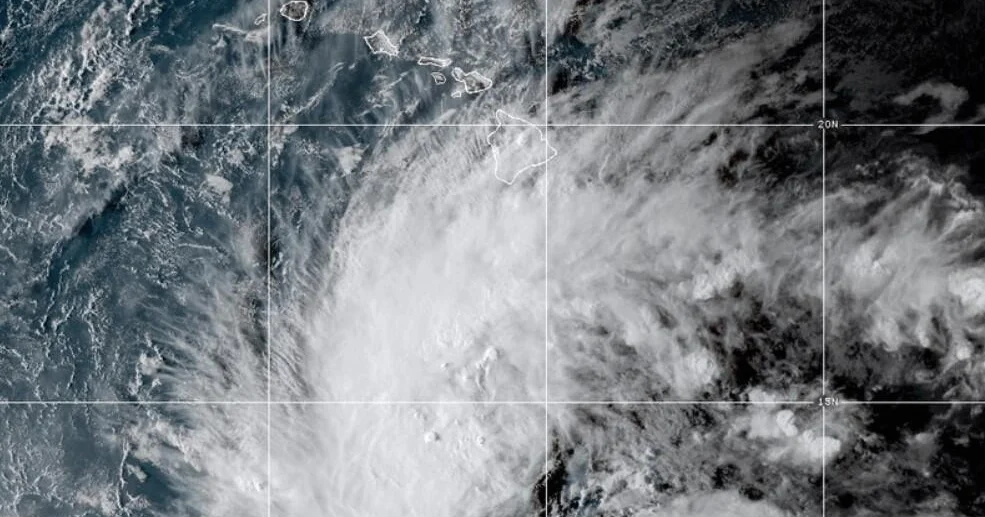
Officials have issued a hurricane watch for Hawaii’s Big Island as Tropical Storm Nolo is forecasted to intensify into a hurricane imminently. The National Hurricane Center has reported that Nolo could achieve Category 3 status by the weekend, characterized by maximum sustained winds exceeding 111 mph. With predictions of torrential rain and severe flooding, preparations are underway to mitigate the potential impact on the local population and infrastructure.
| Article Subheadings |
|---|
| 1) Tropical Storm Nolo’s Development and Forecast |
| 2) Impact of Expected Rainfall |
| 3) Comparison to Recent Storm Activity |
| 4) Preparedness Measures in Hawaii |
| 5) Local Response to Potential Hazards |
Tropical Storm Nolo’s Development and Forecast
Tropical Storm Nolo formed in the Pacific Ocean and is currently poised to become a hurricane. As of Wednesday night, the storm exhibited maximum sustained winds of 45 mph and was moving west-northwest at 7 mph. The National Hurricane Center has indicated that a significant change in Nolo’s trajectory is anticipated, with expectations of a northward turn late Wednesday into Thursday. This shift could bring the storm close to the Big Island of Hawaii as early as Friday, increasing the potential for hazardous weather conditions across the region.
The storm’s status is continuously monitored, and forecasts suggest that it may escalate in intensity, potentially becoming a major hurricane by the weekend. Major hurricanes are classified as such when their sustained winds reach or exceed 111 mph, posing serious risks to life and property.
Impact of Expected Rainfall
The National Hurricane Center has warned that Tropical Storm Nolo may bring devastating rainfall, estimating accumulations between 15 to 20 inches on the Big Island. Some regions may experience up to 35 inches of rain, leading to catastrophic flooding and mudslide risks, particularly in areas with steep terrain. Such conditions could prompt officials to issue evacuation orders and increase public safety measures.
Maui is also likely to be impacted, with rainfall forecasts estimating between 5 and 10 inches; certain isolated areas may receive totals as high as 20 inches. The threat of flooding and landslides on Maui is significant and underscores the urgent need for precautionary actions. Other islands, while expected to receive less precipitation—about 1 to 3 inches, with a potential maximum of 6 inches—may still experience localized flooding.
Comparison to Recent Storm Activity
Tropical Storm Nolo’s development comes on the heels of an unusually active storm season in the Pacific. Earlier this month, Hurricane Lowell impacted the western Hawaiian islands of Kauai and Niihau, uprooting trees, damaging infrastructures, and cutting off power for thousands of residents. Additionally, Hurricane Lala caused substantial destruction last month, washing away nearly 100 homes and leading to widespread landslides and power outages across affected areas.
These recent weather events highlight the vulnerabilities of Hawaii to powerful tropical systems, underscoring the need for ongoing monitoring and effective response strategies to safeguard citizens and mitigate damage during such crises.
Preparedness Measures in Hawaii
In light of the impending storm, local authorities have initiated preparatory activities aimed at ensuring public safety. Emergency management officials are advising residents to stockpile essential supplies, including food, water, and medications, to sustain themselves in case of prolonged power outages or disruptions caused by severe weather.
Additionally, community meetings and information sessions are being held to equip citizens with knowledge on evacuation routes and emergency protocols. School officials have also announced potential closures or remote learning provisions, depending on the severity of inclement weather as it approaches.
Local Response to Potential Hazards
Local emergency services are on high alert, prepared to deploy resources for rescue and recovery efforts as needed. Search and rescue teams are reviewing protocols and resources to ensure rapid response capabilities in the event of flooding or landslides. With the forecast indicating the possibility of destructive conditions, the emphasis on community resilience and cooperation is vital in allowing Hawaii to withstand potential impacts from Tropical Storm Nolo.
Authorities have also urged residents to heed warnings and updates from the National Hurricane Center and local emergency services to maintain safety throughout the storm’s trajectory.
| No. | Key Points |
|---|---|
| 1 | Tropical Storm Nolo is expected to become a hurricane impacting Hawaii. |
| 2 | Rainfall forecasts indicate severe potential for flooding across various islands. |
| 3 | The current storm season in the Pacific has been unusually active. |
| 4 | Local authorities have initiated preparedness measures for residents. |
| 5 | Emergency services are on standby to respond to potential hazards from the storm. |
Summary
The development of Tropical Storm Nolo into a potential hurricane poses significant challenges for Hawaii, with forecasts predicting detrimental rainfall and flooding. This situation arises in the context of an active storm season, emphasizing the importance of community readiness and effective emergency management. As local authorities work to ensure public safety, residents are urged to remain vigilant and adhere to advisories to navigate this looming threat.
Frequently Asked Questions
Question: What categories define the strength of a hurricane?
Hurricanes are categorized on a scale from 1 to 5 based on wind speed, with Category 1 being the least severe and Category 5 representing the most intense storms.
Question: How can residents prepare for a hurricane?
Residents can prepare by stocking emergency supplies, establishing a communication plan, securing their property, and staying informed about evacuation routes and weather updates.
Question: What should you do during a hurricane?
During a hurricane, it is crucial to follow local emergency instructions, seek shelter in a safe area away from windows, and stay tuned to radio or TV for updates until authorities declare it safe to leave your home.