
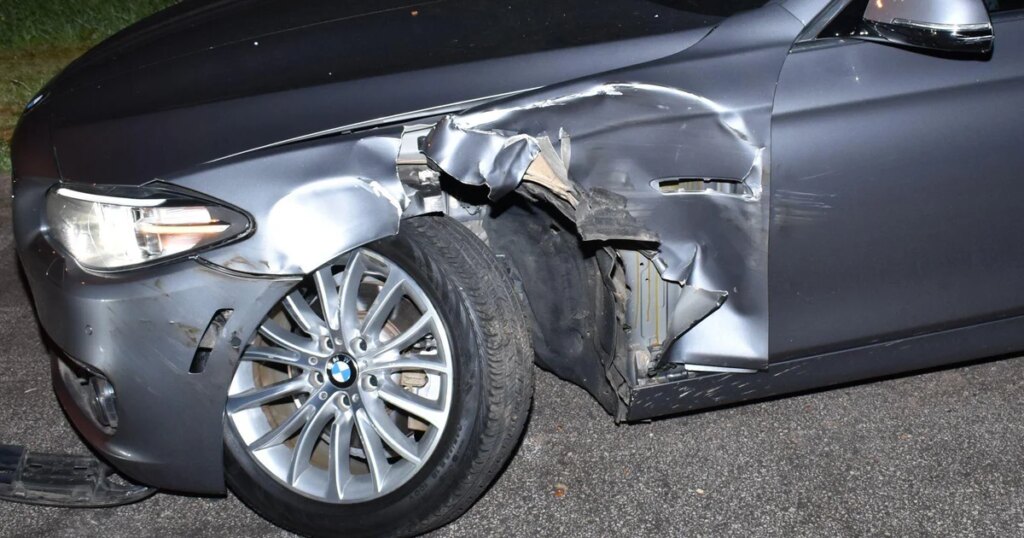
A tragic incident in Greenwood, South Carolina, turned into a murder investigation after authorities discovered the body of 46-year-old Davis McClendon near his mangled car early in the morning of May 7, 2023. McClendon’s death has been linked to Bud Ackerman, the estranged husband of his girlfriend, Meredith Haynie, who was present at the crime scene. Investigators pieced together a compelling case, utilizing modern technology from Ackerman’s vehicle to establish a motive and timeline that ultimately led to a conviction for murder.
| Article Subheadings |
|---|
| 1) Discovery of McClendon’s Body |
| 2) The Relationship Complications |
| 3) Key Evidence from the Scene |
| 4) The Role of Technology in the Investigation |
| 5) The Trial and Sentencing |
Discovery of McClendon’s Body
The unfortunate events unfolded at a deserted intersection in Greenwood, South Carolina, shortly after 1 a.m. on May 7, 2023. Upon their arrival, authorities encountered a severely damaged BMW sedan, with debris scattered across the road. Approximately 50 feet away from the vehicle lay Davis McClendon, fatally injured. An initial examination of the accident scene indicated that something was amiss; McClendon’s clothing and personal items were dislodged from his body, indicating he may have been outside of the car prior to the collision. The absence of any other vehicle bearing as much damage raised red flags for investigators shortly after they arrived.
The Relationship Complications
As the investigation progressed, authorities learned about the tumultuous relationship between Meredith Haynie and her estranged husband, Bud Ackerman. Haynie was reportedly with McClendon on the night of his death. They had initially spent the evening dining at a local restaurant named Break on the Lake, before moving on to a party and finally concluding their night at a popular local club called Key West. Witnesses revealed that just prior to his departure from the club, McClendon exited quickly through the back door, arousing Haynie’s suspicion that he had gone to meet Ackerman, who had been increasingly critical of their relationship during their pending divorce. Haynie’s account of events was corroborated by text messages sent from Ackerman, as she provided investigators access to her phone, reinforcing her statements with evidence of ongoing communication.
Key Evidence from the Scene
Within minutes of arriving at the disturbing scene, police grew increasingly suspicious of Ackerman’s involvement. A distinctive oil trail led from the site of the crash to Ackerman’s residence, suggesting his vehicle had been involved. Forensic evidence indicated that his pickup truck had sideswiped McClendon’s sedan, subsequently striking him at his driver’s side door and dragging his body across the road. Investigators acting on the initial impressions of the crime scene were quick to focus their inquiries on Ackerman, particularly upon learning that he was living nearby and was known to have an unstable relationship with Haynie.
The Role of Technology in the Investigation
As investigators sought further evidence to build their case against Ackerman, they turned their attention to the sophisticated technology within his pickup truck. The advanced onboard “infotainment system” captured a wealth of data pertaining to the vehicle’s operation, including speed, braking, and location history. Authorities managed to extract this data which demonstrated a series of movements throughout the night that aligned suspiciously with Ackerman’s known whereabouts, including notable stops near the locations that McClendon and Haynie visited. This digital footprint included time-stamped events over a 24-hour period, contributing to the law enforcement narrative that Ackerman had indeed pursued McClendon before the fatal collision.
The Trial and Sentencing
Despite the overwhelming evidence collected, Ackerman maintained his innocence, claiming that the collision was merely an accident. His attorney argued that Ackerman did not attack McClendon intentionally, presenting an alternative theory wherein Ackerman supposedly aimed to strike the empty vehicle instead. Nonetheless, following a multi-day trial, the jury found Ackerman guilty of murder, demonstrating that they were unconvinced by his defense. In January 2024, he was sentenced to 45 years in prison, as the judge emphasized the need for accountability in a crime driven by malice.
| No. | Key Points |
|---|---|
| 1 | Authorities discovered Davis McClendon‘s body near his wrecked vehicle in Greenwood, SC. |
| 2 | Meredith Haynie was dating McClendon, and her estranged husband, Bud Ackerman, had been in communication with her that night. |
| 3 | Investigation revealed an oil trail leading to Ackerman’s residence, implicating his involvement in the incident. |
| 4 | Data extracted from Ackerman’s truck provided crucial evidence, showing his movements correlated with the crime timeline. |
| 5 | Ackerman was convicted of murder and sentenced to 45 years in prison after a seven-day trial. |
Summary
The case surrounding the death of Davis McClendon serves as a stark reminder of the complexity of domestic relationships and the ramifications of violence. With technological evidence becoming increasingly critical in modern investigations, this case highlights not only a tragic tale of love gone wrong but also how data can play a pivotal role in delivering justice. The conviction of Bud Ackerman underscores the responsibility one carries in managing personal conflicts, a responsibility compounded by the presence of modern technology capable of unraveling the details of such tragic events.
Frequently Asked Questions
Question: What evidence led to Bud Ackerman’s conviction?
Key evidence included digital data from Ackerman’s pickup truck, which documented his movements and vehicle performance at the time of the collision, along with a trail of oil leading from the crash scene to his residence.
Question: What was the relationship between the individuals involved in the case?
Davis McClendon was dating Meredith Haynie, who was in the process of divorcing Bud Ackerman, creating a volatile interpersonal dynamic that ultimately contributed to the events leading up to McClendon’s death.
Question: How did the jury respond to Ackerman’s claims of innocence?
The jury was not convinced by Ackerman’s defense that the collision was accidental. After examining the evidence and testimonies presented during the trial, they found him guilty of murder.