
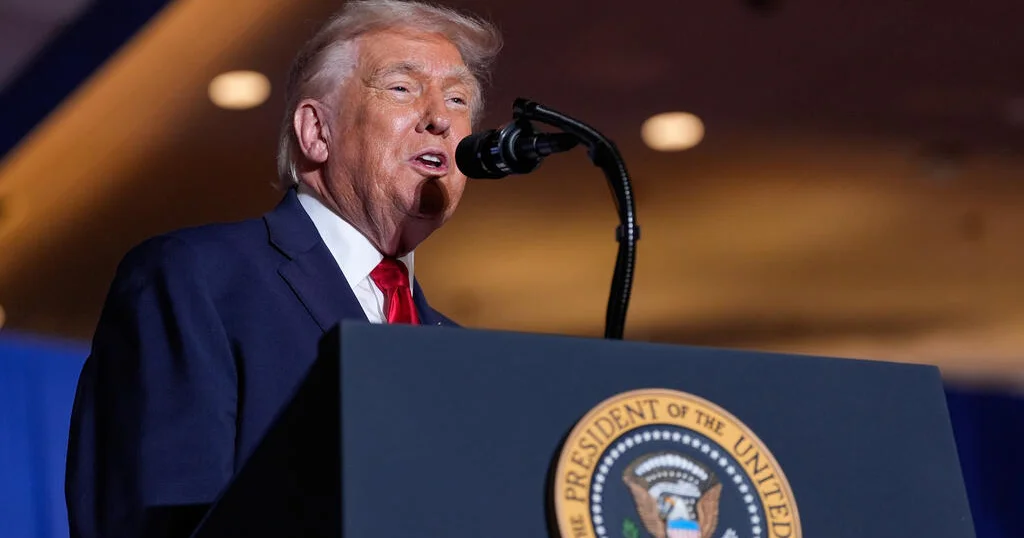
On Tuesday evening, President Trump delivered a rally-style speech in Mount Pocono, Pennsylvania, promoting his economic agenda ahead of the midterm elections. This marked a significant moment as he addressed his track record regarding job growth and the lowering of gas prices in the state. Meanwhile, Trump’s remarks also touched on inflation and the soaring cost of living, areas of critical concern for voters as they approach the elections.
| Article Subheadings |
|---|
| 1) President Trump’s Economic Claims |
| 2) The Affordability Debate |
| 3) Ongoing Economic Challenges |
| 4) Political Implications Ahead of the Midterms |
| 5) Public Sentiment on the Economy |
President Trump’s Economic Claims
During his extensive speech, President Trump argued that his administration has significantly contributed to economic improvement in Pennsylvania, claiming that “America is winning again.” He emphasized recent job growth figures, noting that Pennsylvania’s unemployment rate is slightly lower than the national average, a point he believes underscores the effectiveness of his policies. The president highlighted a decline in gas prices as part of this positive economic trajectory.
Furthermore, he touted the benefits of his tariffs on international goods, portraying them as integral to enhancing the U.S. economy. Despite skepticism from a number of economists regarding the potential adverse effects of tariffs, such as slowing growth and higher prices for consumers, Trump maintained that these measures are bringing tangible benefits to American workers and businesses.
Among other proposals, he spotlighted a plan to create investment accounts for children, which would start with a $1,000 federal contribution for eligible kids. Additionally, he introduced a tax deduction for tips, emphasizing that these reforms are central aspects of his broader economic agenda.
The Affordability Debate
The issue of affordability has been a recurring theme in Trump’s discussions. Reflecting on his sentiment towards the topic, he expressed skepticism about its political motivations, labeling it a “hoax” and a “scam” concocted by Democrats. He claimed that addressing affordability matters is a misdirection from the true challenges confronting the economy.
Despite previously dismissing concerns around affordability, Trump admitted the inherited challenges from his predecessor’s policies. This included a reference to inflation levels that had historically surged. The underlying tone of his remarks suggests a noticeable shift in strategy; he is now acknowledging that affordability concerns resonate with voters, especially as higher prices linger in daily life.
Ongoing Economic Challenges
Despite a reported decrease in inflation rates, many Americans still encounter substantial challenges associated with the high cost of living. Prices for essentials—food, housing, healthcare, and utilities—remain a significant burden for countless households across the nation.
In an effort to ease this burden, Trump’s administration has taken steps aimed at reducing tariffs on specific items like food imports, as well as considering providing financial aid to struggling groups such as farmers. These initiatives highlight the administration’s attempt to mitigate growing discontent about the economic climate, particularly among lower- and middle-class citizens.
Political Implications Ahead of the Midterms
Trump’s travel to Pennsylvania underscores the importance of rallying public support as midterm elections approach. The state’s significance is amplified given that key congressional races could hinge on voter sentiment regarding the economy and affordability issues. Poll data has shown that many voters are dissatisfied, and a majority believe that Trump’s policies have contributed to inflation and increased grocery costs.
By addressing affordability issues head-on, Trump appears to acknowledge a larger narrative—one that paints the present economic climate in a less favorable light. This change in his rhetoric signals an urgent effort to galvanize support before the critical elections and efforts to counteract negative perceptions among constituencies that feel economically squeezed.
Public Sentiment on the Economy
Recent polls indicate a dissonance between the administration’s optimistic claims and public sentiment. A significant portion of voters reported feeling the pressure of rising costs and believed that the president’s policies are not adequately addressing their concerns. In a CBS News/YouGov poll, an alarming 60% of respondents felt that Trump was misrepresenting true economic conditions. Another two-thirds of those surveyed linked his policies to rising grocery prices. This public perception complicates the narrative the administration seeks to convey regarding economic health.
As Trump prepares for the upcoming midterms, this chasm between sentiment and reality may critically influence outcomes. Local media outlets have echoed concerns from constituents about affordability and suggested that the administration must step up its action to reflect the genuine economic struggles that many Americans are facing.
| No. | Key Points |
|---|---|
| 1 | Trump emphasizes job growth and a lower unemployment rate in Pennsylvania. |
| 2 | President attempts to downplay concerns over affordability, attributing issues to Democrats. |
| 3 | Public frustration remains over high living costs despite reported drops in inflation. |
| 4 | Political implications of dissatisfaction could affect congressional races in Pennsylvania. |
| 5 | Polling reveals significant disconnect between Trump’s claims and public sentiment. |
Summary
The rally in Mount Pocono was not only a platform for President Trump to promote his economic achievements but also an acknowledgment of the pressing issues voters face regarding affordability. As he navigates the complex landscape of public opinion ahead of the midterm elections, it is clear that addressing economic concerns effectively will be vital for maintaining Republican support. The administration’s ability to adapt its messaging in response to these challenges could significantly impact the political landscape in the approaching electoral cycle.
Frequently Asked Questions
Question: What did President Trump claim about job growth in Pennsylvania?
President Trump claimed that job growth in Pennsylvania is indicative of the overall success of his economic policies, highlighting that the state’s unemployment rate is lower than the national average.
Question: How has Trump characterized the focus on affordability?
Trump has referred to the focus on affordability as a “hoax” and a “scam” created by Democrats, arguing that it distracts from the real issues facing the economy.
Question: What do recent polls indicate about public perception of the economy?
Recent polls show a significant lack of confidence among voters, with many believing that Trump’s economic policies have not effectively addressed rising prices and affordability concerns.