
Recent developments in the Middle East have unfolded with significant tension between the United States, Iran, and regional players such as the Houthi rebels in Yemen and Israel. President Trump indicated a “semi-negotiative” stance towards Iran amidst escalating economic pressures within the country, while the Iranian-backed Houthis launched attacks on the Yemeni port city of Mocha. In Israel, Prime Minister Benjamin Netanyahu dismissed a proposed peace plan for Gaza, insisting that military actions would continue until Hamas is disarmed. Meanwhile, Iran has issued demands linked to the reopening of the strategic Strait of Hormuz, making clear their expectations for U.S. behavior.
| Article Subheadings |
|---|
| 1) United States and Iran: A Cautious Diplomatic Stance |
| 2) Houthi Attacks on Mocha: Escalating Violence in Yemen |
| 3) Netanyahu’s Hardline Stance on Gaza |
| 4) Iran’s Demands Concerning the Strait of Hormuz |
| 5) Regional Implications of Ongoing Conflicts |
United States and Iran: A Cautious Diplomatic Stance
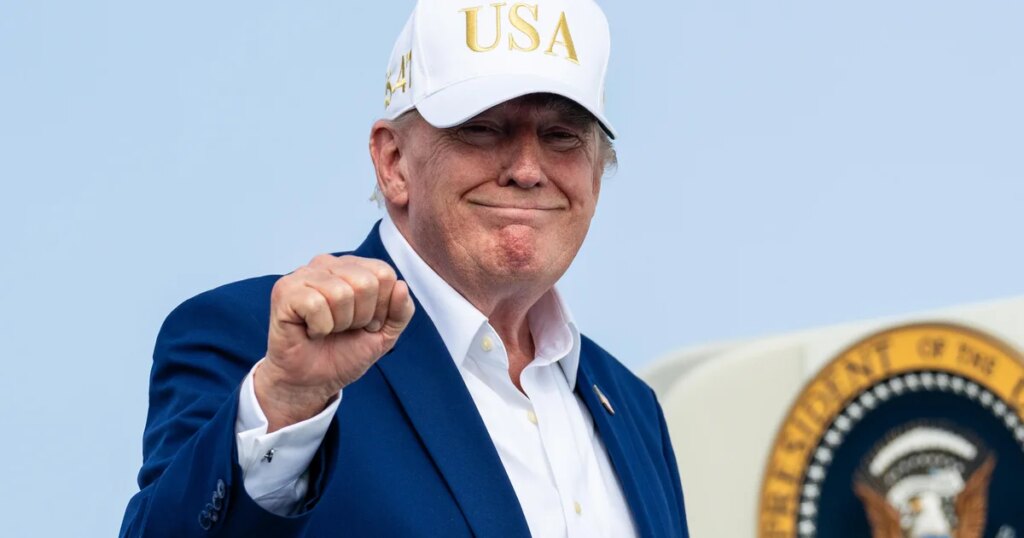
In a recent phone interview, President Trump communicated that the United States is approaching negotiations with Iran in a low-key manner, indicating a “semi-negotiating” status. This term sketchily references a delicate diplomatic dance as tensions mount due to Iran’s deteriorating economic conditions. Trump pointed out the immense inflation plaguing Iran, asserting that the nation finds itself in “very bad shape.” The U.S. has applied severe economic pressures, particularly through blocking strategic routes like the Strait of Hormuz, exacerbating Iran’s financial hardships.
The President expressed confidence about the eventual resolution of these challenges, likening the ongoing negotiation process to a game of chess. He underlined the significance of observing Iran’s maneuvers as they grapple with considerable economic issues. This cautious tone suggests that while the U.S. is willing to let pressure mount on Iran, there may also be an underlying eagerness to explore openings for negotiation when conditions feel more favorable.
Houthi Attacks on Mocha: Escalating Violence in Yemen
In Yemen, Iranian-backed Houthi rebels have intensified their military actions with a recent attack on the port city of Mocha, marking their second assault in less than 24 hours. This conflict continues to destabilize the region, with reports indicating that the attack targeted government-held areas as well as troop concentrations. A military source affiliated with the Houthis disclosed to state-run media that the strike was aimed at weapons depots, signifying their ongoing struggle against opposing forces in the area.
Casualties from the attack are concerning, with multiple fatalities among troops and civilians alike. Following the incident, the Yemeni Armed Forces reported that air defense systems successfully intercepted some of the drones employed by the Houthis, although the conflict’s toll remains heavy. The ongoing violence not only raises alarms about humanitarian conditions in Yemen but also poses challenges for international shipping and commercial activities in the Red Sea region.
Netanyahu’s Hardline Stance on Gaza
Israeli Prime Minister Benjamin Netanyahu has decisively rejected a U.S.-backed peace initiative concerning Gaza, reiterating that a military withdrawal will not occur unless Hamas is fully disarmed. During a cabinet meeting, he reflected a hardline perspective that prioritizes national security over diplomatic overtures. Facing pressure from his political base ahead of upcoming elections, Netanyahu’s stance represents a significant pushback against the proposed plan aimed at achieving a peaceful resolution.
At his cabinet meeting, Netanyahu explicitly stated, “Israel rejects the 15-point document,” underscoring his commitment to countering perceived threats from Hamas. His administration is focused on thwarting any actions that might compromise Israel’s security as tensions remain elevated. Netanyahu’s position offers a glimpse into the complexities and challenges of pursuing peace in the Israeli-Palestinian conflict.
Iran’s Demands Concerning the Strait of Hormuz
Amid ongoing tensions, Iran’s Supreme National Security Council has declared that the Strait of Hormuz will remain closed until the United States addresses and corrects its behavior toward Iran. This assertive stance from Iranian officials indicates heightened resilience and a potential barrier to diplomatic engagement. Statements from military leaders emphasize that the U.S. must refrain from issuing threats, focusing instead on lifting sanctions and ceasing military operations in the region.
Iran’s demands include not only the lifting of economic sanctions but also compensation for damages incurred during previous conflicts. This adds a layer of complexity to American-Iranian relations and might hinder future negotiations, as Iran increases its leverage in dialogue while simultaneously facing internal economic struggles exacerbated by U.S. influence. The implications of such demands extend beyond Iran, as decisions regarding the Strait are crucial to global shipping and oil markets.
Regional Implications of Ongoing Conflicts
Each of these developments—U.S.-Iran relations, Houthi attacks in Yemen, and Israeli-Gaza tensions—paints a complex picture of the Middle East, where local conflicts often escalate into broader geopolitical concerns. As the U.S. continues to navigate its relationships with Iran and its allies, the ramifications are felt not just regionally but worldwide. Energy prices could fluctuate as the security of maritime routes becomes uncertain, which may have a ripple effect on global markets.
The interconnected nature of these conflicts suggests that resolutions may only come through careful diplomacy rather than military interventions. Observers emphasize the necessity of addressing underlying economic and political issues as a means toward fostering stability in the region. As tensions endure, the path toward peace appears increasingly encumbered by historical grievances and ongoing violence.
| No. | Key Points |
|---|---|
| 1 | President Trump indicated that the U.S. is taking a “semi-negotiating” stance with Iran amidst their economic struggles. |
| 2 | Houthi rebels launched a second attack on Yemen’s Mocha in under 24 hours, emphasizing ongoing violence in the region. |
| 3 | Netanyahu rejected a U.S.-backed peace plan for Gaza, insisting on disarming Hamas before any withdrawal. |
| 4 | Iran’s government insists that the Strait of Hormuz will stay closed until the U.S. corrects its behavior and lifts sanctions. |
| 5 | The ongoing conflicts reflect broader geopolitical issues that could affect global economics and regional stability. |
Summary
The developments in U.S.-Iran relations, escalating violence in Yemen, the rejection of peace initiatives in Gaza, and Iran’s firm stance on the Strait of Hormuz reveal a complex web of tensions that continue to shape the Middle East. As these nations navigate through fragile diplomatic landscapes, the implications resonate far beyond their borders, impacting global stability and economics. The path towards a peaceful resolution requires careful attention to both historical contexts and the underlying issues at play.
Frequently Asked Questions
Question: How does the U.S. view its negotiations with Iran?
The U.S. has characterized its negotiations with Iran as “semi-negotiating,” indicating a cautious diplomatic approach amidst growing economic pressures inside Iran.
Question: What recent attacks have the Houthi rebels carried out?
The Houthi rebels launched two significant attacks on the port city of Mocha in Yemen, targeting military installations and resulting in civilian casualties.
Question: What are Iran’s conditions for reopening the Strait of Hormuz?
Iran has stated that the Strait of Hormuz will remain closed until the U.S. lifts sanctions and rectifies its military actions in the region.