
In a significant development concerning international relations, former President Donald Trump recently announced his involvement in negotiations aimed at achieving peace in the ongoing conflict between Russia and Ukraine. During a Truth Social post, he accused Ukrainian President Volodymyr Zelenskyy of a lack of interest in concluding the war, which has persisted for over four years since Russia’s invasion. The exchange highlights a growing rift between the two leaders as they grapple with the complexities of war tactics and diplomatic strategies.
| Article Subheadings |
|---|
| 1) Trump’s Call for Peace Negotiations |
| 2) Criticism of Ukraine’s Military Strategy |
| 3) The Importance of U.S.-Ukraine Relations |
| 4) Recent Developments on the Ground |
| 5) The Broader Implications of the Conflict |
Trump’s Call for Peace Negotiations
On Sunday, Donald Trump took to his social media platform to express his ongoing efforts toward negotiating peace amid the tumultuous backdrop of the Russian-Ukrainian conflict. He boldly stated, “I am in the process of negotiating Peace in the war between Russia and Ukraine,” asserting his commitment to fostering dialogue between the two nations. This statement underscores the former president’s continued interest in international diplomacy, particularly regarding conflicts that have escalated during and since his term of office.
The announcement comes at a time when tensions are mounting due to recent military actions by both Ukraine and Russia. Trump’s contrasting approach to the Ukrainian government’s strategies has raised eyebrows, with many questioning how his self-proclaimed negotiations align with Zelenskyy’s broader military objectives. The situation is further complicated by historical context and the recent actions taken by Ukraine to target Russian facilities, which Trump seems to oppose.
Criticism of Ukraine’s Military Strategy
In his post, Trump criticized President Zelenskyy for ordering strikes on Russian diesel refineries. He argued that such actions indicate a lack of genuine interest in resolving the conflict. “He doesn’t want to end this war, and probably never did,” Trump alleged, suggesting that a diplomatic solution may have been more achievable two years ago, before the war further devastated Ukraine. This line of argument underscores Trump’s focus on negotiating peace, suggesting that continued military aggression only prolongs suffering.
Zelenskyy, on the other hand, has pointed to the necessity of undermining Russian military capabilities by targeting critical infrastructure. In defending his decisions, he stressed that it is crucial to sustain pressure on Russian forces to prompt them toward negotiation. This discrepancy in perspectives highlights the tension between military strategy and diplomatic negotiations, raising questions about the most effective approach to resolving the conflict.
The Importance of U.S.-Ukraine Relations
Zelenskyy has maintained that the relationship between the United States and Ukraine is vital for both countries. During various interviews, including one on NBC’s “Meet the Press,” he emphasized the precarious state of U.S.-Ukraine relations amid Trump’s criticisms. Acknowledging Trump’s previous support, Zelenskyy warned against any potential shift toward favoring Moscow’s position, labeling it a “tragedy” and a historic mistake for Washington. This sentiment reflects the delicate balance Ukraine strives to maintain as it seeks continued U.S. support for military and humanitarian aid.
Zelenskyy’s pleas for clarity from U.S. officials indicate a desire to preserve a united front against aggression. The ongoing dialogue surrounding sanctions against Russia, coupled with the exchange of intelligence between the two nations, plays a crucial role in Ukraine’s ability to respond to military offensives. The renewed sharing of intelligence, which had been temporarily disrupted, signals a commitment to maintaining operational effectiveness against Russian advances, while also navigating the complexities introduced by domestic U.S. politics.
Recent Developments on the Ground
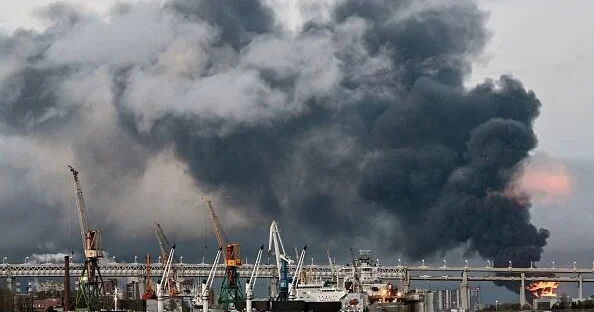
While diplomatic discussions unfold, the situation on the ground remains volatile. Russian forces continue to escalate their military operations, as evidenced by reports of drone interceptions and missile strikes across multiple regions in Ukraine. Recent attacks in St. Petersburg resulted in casualties and sparked significant fires at nearby oil terminals. The gravity of these operations emphasizes the ongoing destructive force of the conflict, which shows no signs of abating.
In response to these developments, Ukrainian forces have intensified efforts to target Russian logistical centers and supply lines, indicating a strategic decision to disrupt Russian war capabilities. While the effectiveness of these operations remains under scrutiny, the stakes are high for both sides as they seek to gain a tactical advantage in the protracted conflict. Local reports detail the impact of these military actions, including civilian casualties, which fuel the urgency for a resolution.
The Broader Implications of the Conflict
The ongoing conflict between Russia and Ukraine carries significant implications not only for the involved nations but also for global geopolitics. As nations observe the unfolding events, many are concerned about the precedents this conflict sets regarding territorial sovereignty and the use of military force. The responses from the United States and its allies in Western Europe will likely shape international relations in the coming years.
Critics of the war point to the need for a united response to acts of aggression that challenge the international order. Trump’s approach, advocating for peace talks while simultaneously criticizing Ukraine’s military strategies, complicates the international perspective on U.S. involvement in the conflict. The potential for shifts in U.S. policy, depending on domestic political outcomes, presents a landscape fraught with uncertainty for Ukraine’s future.
As stakeholders continue to navigate these complex dynamics, the stability of Europe and the future of democratic governance in the region remain at stake. The resolution of this conflict may influence global attitudes toward aggression and diplomacy for years to come.
| No. | Key Points |
|---|---|
| 1 | Trump has criticized Zelenskyy for not pursuing peace negotiations earnestly. |
| 2 | The Ukrainian strategy involves targeting Russian infrastructure to weaken military capability. |
| 3 | Zelenskyy emphasizes the significance of U.S.-Ukraine relations and the risks of any diplomatic shift towards Russia. |
| 4 | Recent military actions have resulted in both casualties and increases in conflict intensity. |
| 5 | The outcome of the conflict may have lasting implications for global geopolitical dynamics. |
Summary
The recent interactions between former President Donald Trump and Ukrainian President Volodymyr Zelenskyy highlight a critical juncture in the ongoing conflict between Russia and Ukraine. Trump’s insistence on peace negotiations and subsequent critiques of Zelenskyy’s military strategies underscore the complexities surrounding international diplomacy in wartime. As military operations escalate and casualties mount, the prospect for resolution seems elusive but essential, potentially setting the stage for significant geopolitical ramifications for both the region and the world.
Frequently Asked Questions
Question: What are the recent developments in the Russia-Ukraine conflict?
Recent developments include increased military actions from both sides, with Ukraine targeting Russian logistics and infrastructure while suffering significant civilian casualties.
Question: How does Trump’s involvement affect U.S.-Ukraine relations?
Trump’s recent criticisms of Zelenskyy and his approach to negotiations could complicate U.S.-Ukraine relations, as the country seeks strong support amid ongoing aggression from Russia.
Question: Why is targeting Russian oil infrastructure significant for Ukraine?
Targeting Russian oil infrastructure is critical for Ukraine as it aims to disrupt military supply chains and funding, which could weaken Russia’s capacity to sustain its offensive.