
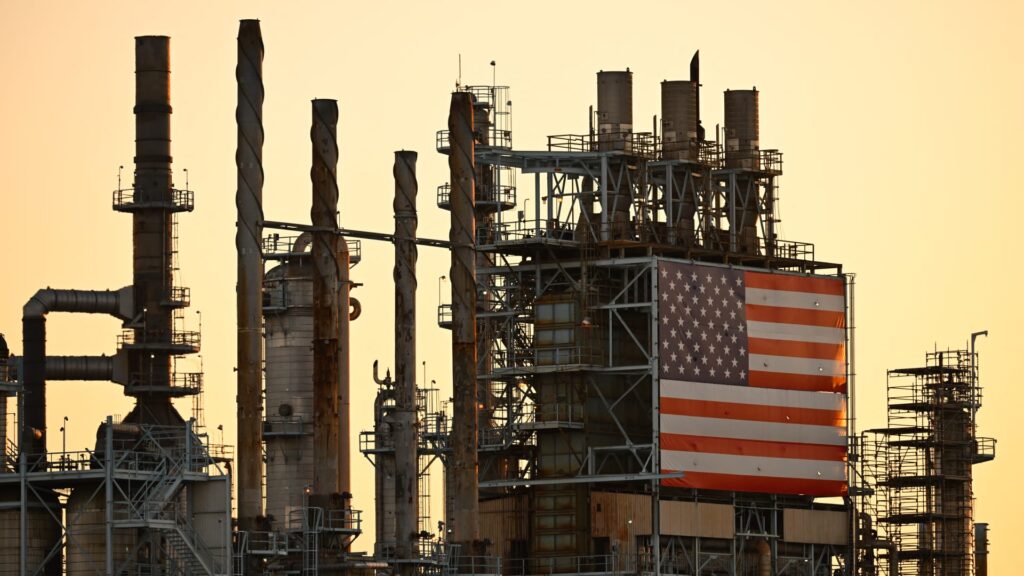
The Biden administration is contemplating a diesel export ban as fuel prices reach alarming levels in the United States, driven by increased geopolitical tensions. U.S. President Donald Trump has confirmed that discussions are ongoing, highlighting the need for urgency given the upcoming midterm elections. As concerns about soaring diesel prices mount amidst conflicts involving key oil-producing regions, the effects of such a ban could be profound and multifaceted.
| Article Subheadings |
|---|
| 1) President’s Considerations on Diesel Export Ban |
| 2) Impact of Rising Diesel Prices |
| 3) Industry Pushback on Export Restrictions |
| 4) Global Implications of a U.S. Ban |
| 5) The Future of Diesel Supply and Pricing |
President’s Considerations on Diesel Export Ban
The potential for a diesel export ban is gaining traction amid increasing fuel prices that have stirred public discontent. President Donald Trump indicated during a recent interview that the White House is seriously weighing the impacts of such a measure. “We’re thinking about it very seriously,” he stated, suggesting that the issue is a priority given the rising pressure from constituents and the looming midterm elections in November. The administration aims to strike a balance between domestic needs and international fuel dynamics, which have become more complex due to ongoing geopolitical tensions.
The President’s remarks reflect an acute awareness of the political ramifications tied to rising fuel costs. With retail diesel prices nearing a historical high of approximately $6.50 per gallon, public anxiety has heightened, particularly among farmers and truck drivers who rely heavily on diesel for their livelihoods. Given this backdrop, the consideration of an export ban appears to be motivated by both political strategy and economic necessity.
Impact of Rising Diesel Prices
The surge in diesel prices can be traced back to several factors, including increasing global demand, supply chain disruptions, and geopolitical conflicts. Notably, ongoing tensions in the Middle East and the conflict between Russia and Ukraine have disrupted oil supply routes, contributing to higher prices. According to a report from AAA, average diesel prices in the U.S. have significantly increased compared to the previous year, prompting immediate concerns from various sectors dependent on fuel.
Agricultural and transportation industries are feeling the brunt of these rising costs, with farmers and truck operators facing heightened operational expenses. Many have raised alarms about the long-term sustainability of their businesses if diesel prices continue to climb, creating a critical need for proactive measures from the government.
Industry Pushback on Export Restrictions
The prospect of imposing a ban on diesel exports has faced considerable opposition from the energy sector. The American Petroleum Institute (API), a prominent oil and natural gas lobby, has publicly stated that restricting energy exports would only worsen the situation, insisting that the focus should be on increasing supply rather than imposing restrictions. API CEO Mike Sommers articulated that “the answer is more supply and more flexibility—not new restrictions that risk making a difficult situation worse.”
Analysts within the industry have echoed these concerns, suggesting that halting exports could trigger adverse consequences that far outweigh any immediate benefits. Some experts predict that while domestic diesel prices might initially see a dip, the long-term repercussions could lead to higher prices globally, exacerbating the situation rather than alleviating it. This careful tussle between government policy and industry interests underscores the complicated nature of energy economics in today’s landscape.
Global Implications of a U.S. Ban
Should the U.S. decide to enact a diesel export ban, the implications would extend far beyond its borders. As the largest diesel exporter in the world, any limitations placed on exports would reverberate throughout global markets. Experts, including Benedict George, head of European product pricing at Argus Media, warned that a restriction could push European diesel prices to unprecedented levels, as many regions have relied heavily on U.S. supplies amidst reduced availability from other sources.
The geopolitical ramifications of such a move are also significant. As the U.S. works to navigate its relationships with European allies who are affected by soaring prices, the decision to restrict diesel exports could further complicate these dynamics. European market analysts are skeptical that the U.S. will follow through with significant export restrictions, primarily due to the challenging position it would place U.S. oil companies in at a time when international fuel relationships are already tenuous.
The Future of Diesel Supply and Pricing
The future outlook for diesel supply and pricing remains bleak, with uncertainty at every turn. Even traders who typically monitor the market closely express frustration and confusion, as even their forecasting attempts have become futile. “One trader was saying to me recently that he doesn’t bother trying to forecast now because it feels like a waste of effort,” George noted, highlighting the level of unpredictability influencing market behavior.
Moreover, the ongoing Russia-Ukraine conflict adds another layer of complexity to the situation. With no clear resolution in sight, consumers and traders alike are left to grapple with the reality of fluctuating prices and potential shortages. While hopes for interventions such as temporary export restrictions exist, the consensus among market analysts is that the flows of supply will continue to be fragile in the near term.
| No. | Key Points |
|---|---|
| 1 | The Biden administration is considering a diesel export ban due to rising prices and political pressure ahead of the midterm elections. |
| 2 | Rising diesel prices, which reached approximately $6.50 per gallon, are straining industries like agriculture and transportation. |
| 3 | The American Petroleum Institute and other industry representatives oppose the export ban, arguing it would worsen the crisis. |
| 4 | A potential export restriction from the U.S. could have global ramifications, particularly in Europe, where diesel supplies have already been impacted by the war in Ukraine. |
| 5 | Market analysts express uncertainty about the future of diesel supply and pricing, with many claiming that predictions have become nearly impossible. |
Summary
The contemplation of a diesel export ban by the Biden administration signals the government’s awareness of the urgent economic challenges posed by soaring fuel prices. As public pressure increases with the upcoming elections, the implications of such a decision could resonate not only within the U.S. but also across global markets. The balance between meeting domestic needs and international obligations will be a focal point of discussion in the coming weeks, as stakeholders from various sectors weigh in on the potential impacts of any impending policy changes.
Frequently Asked Questions
Question: Why are diesel prices rising significantly?
Diesel prices have surged primarily due to geopolitical tensions, particularly the conflicts involving Russia and Ukraine, which have disrupted key oil and fuel supply routes. Additionally, surging global demand and limited supply have contributed to the rising costs.
Question: What are the potential effects of a U.S. diesel export ban?
A U.S. diesel export ban could initially reduce domestic diesel prices but may lead to a global price increase and exacerbate existing supply shortages. It could also cause complications for U.S. relationships with allies reliant on American diesel supplies.
Question: Which sectors are being most affected by rising diesel prices?
The agricultural and transportation sectors have been notably affected, with farmers and truck drivers facing increased operational costs that threaten their livelihoods as diesel prices escalate.