
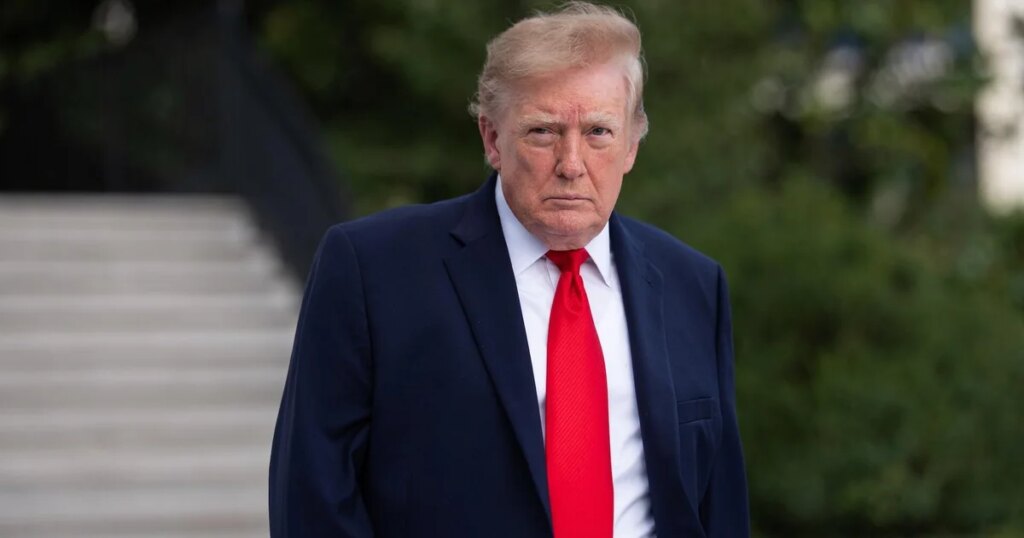
In a significant shift in U.S. foreign policy, President Trump has waived new sanctions on Russia and suspended tariffs on major buyers of Russian oil, as part of the Lindsey O. Graham Sanctioning Russia Act. This decision was made on Friday, allowing tariffs set to take effect on Sunday to be avoided, purportedly to ease high fuel prices amid increasing tensions in energy markets influenced by the ongoing conflicts in Ukraine and the Middle East. The president has invoked provisions within the law that permit such waivers if deemed necessary for national interests, prompting responses from both domestic lawmakers and international stakeholders.
| Article Subheadings |
|---|
| 1) Overview of the New Sanction Waivers |
| 2) Implications for U.S.-Russia Relations |
| 3) Domestic Reactions and Political Ramifications |
| 4) Global Economic Concerns and Responses |
| 5) Future Considerations and Potential Outcomes |
Overview of the New Sanction Waivers
President Trump’s decision to waive sanctions aligns with provisions within the Lindsey O. Graham Sanctioning Russia Act, which he signed into law recently. The act was designed to increase economic pressure on Russia by implementing tariffs of 100% on imports of crude oil and natural gas from the five largest global buyers of Russian energy. These tariffs were set to take effect on Sunday, but the president invoked his power to suspend them, asserting that doing so was in the “national interests of the United States.” This waiver allows for a continuation of energy trade with Russia, which could influence the global oil market.
The administration also lifted 500% tariffs on select Russian goods and halted additional sanctions, pending further assessment by administration officials. This approach highlights the shifting priorities within U.S. foreign policy as energy prices have soared, particularly due to geopolitical instability exacerbated by conflicts in the Middle East and Eastern Europe. Critics argue that this move may undermine previous efforts to pressure Russia following its military aggression in Ukraine.
Implications for U.S.-Russia Relations
The suspension of these sanctions marks a notable reversal for the U.S., which has enforced strict penalties against Russia in response to its actions in Ukraine. This decision has been met with praise from Russian officials, including Kirill Dmitriev, an envoy to President Vladimir Putin, who described it as a “historic moment.” The Kremlin has long been eager for a thaw in relations with Washington, and this move could signal a potential rapprochement.
Historically, U.S.-Russia relations have been fraught with tensions, particularly after the Ukraine invasion and the subsequent Western sanctions targeting Russian economic sectors. By lifting sanctions, the U.S. could redefine its approach towards Russia, focusing more on energy collaboration at a time when energy prices are a pressing concern domestically. However, this strategy raises questions about the long-term consequences of engaging with a nation accused of violating international law and human rights.
Domestic Reactions and Political Ramifications
Domestically, the decision has sparked backlash within Congress, with bipartisan groups of lawmakers criticizing the waiver of sanctions. Many senators have called Trump’s actions a “betrayal of the people of Ukraine,” pointing to the vast humanitarian crisis stemming from the conflict as justification for maintaining stringent economic pressure on Russia.
Lawmakers have urged the president to enforce the penalties laid out in the Graham Act, arguing that economic sanctions serve as a crucial tool to pressure Russia and its allies, particularly China, to end military actions against Ukraine. This friction indicates a deepening divide in U.S. political arenas on how best to engage with foreign adversaries, especially in the context of national security concerns and foreign intervention in global conflicts.
Global Economic Concerns and Responses
The international community is closely watching the U.S. decision to ease sanctions as it could signal significant shifts in the energy market. The continuation of trade with Russia could lead to fluctuations in global oil prices, which have been on the rise following geopolitical crises. Officials from various countries, especially major buyers of Russian oil like China and India, may reassess their own import strategies based on U.S. actions.
The situation further complicates existing tensions, with the European Union having significantly reduced its dependence on Russian gas and oil in recent years. Analysts predict that if the U.S. increases its energy imports from Russia, it could alter the dynamics of the energy market, creating new challenges for European energy security and pricing structures. This potential shift raises fears that most countries may not collectively maintain sanctions against Russia, diluting their effectiveness.
Future Considerations and Potential Outcomes
As the Trump administration navigates these complex dynamics, the future of U.S.-Russia relations remains uncertain. The decision to suspend sanctions is not permanent and will be subject to ongoing scrutiny by Congress and public opinion. As prices at the pump rise, the administration’s policies may continue to evolve to balance domestic energy needs with international diplomatic strategies.
Moreover, ongoing military actions in Ukraine and economic pressures faced by individuals across the globe could lead U.S. officials to reassess their approach to sanctions against Russia. If Russia continues its aggression, it is possible that pressure will mount for Trump to reinstate the sanctions to satisfy both domestic constituents and allied nations advocating for a stronger stance against the Kremlin.
| No. | Key Points |
|---|---|
| 1 | President Trump waived new sanctions on Russia, allowing tariffs on major energy importers to be suspended. |
| 2 | The decision has drawn bipartisan criticism from Congress, with lawmakers labeling it a betrayal of Ukraine. |
| 3 | Russian officials praised the U.S. decision, viewing it as an opportunity for improving relations. |
| 4 | Easing sanctions could influence global oil markets and complicate U.S. relations with allies in Europe. |
| 5 | Future policies may be affected by ongoing military actions in Ukraine and domestic energy prices. |
Summary
President Trump’s recent waivers on sanctions against Russia signal a potentially transformative era in U.S. foreign policy, shifting focus from strict sanctions to energy cooperation amidst rising domestic fuel costs. This action has generated significant debate within political spheres, reflecting stark divergence in opinions on how best to confront global adversaries. As the dynamics of U.S.-Russia relations evolve, the repercussions of these policy changes could redefine energy markets and international alliances.
Frequently Asked Questions
Question: Why were the new tariffs on Russian oil suspended?
President Trump invoked his authority to waive portions of the Lindsey O. Graham Sanctioning Russia Act, determining that halting the sanctions was in the national interests of the United States amidst high energy prices.
Question: What are the potential consequences of lifting these sanctions?
Lifting the sanctions could lead to increased trade with Russia, affecting global oil prices and complicating the U.S.’s relationships with European allies who have reduced their dependence on Russian energy.
Question: How has Congress reacted to Trump’s decision to ease sanctions?
Congress has responded with bipartisan criticism, calling the decision a betrayal of the people of Ukraine and urging the president to maintain economic pressure on Russia.