
Iran’s parliament is advancing a significant bill aimed at establishing control over the Strait of Hormuz, a critical maritime passage for global oil and gas transport. The proposed legislation, termed the “Strategic Action Plan for Ensuring Security and Sustainable Development of the Strait of Hormuz,” seeks to impose fees on commercial vessels utilizing this vital waterway. Key provisions include the restriction of passage for ships from nations deemed hostile and the requirement for non-hostile vessels to acquire authorization from Iranian authorities.
| Article Subheadings |
|---|
| 1) Objectives of the Proposed Legislation |
| 2) Impact on International Shipping |
| 3) Legal Process and Potential Challenges |
| 4) Responses from Global Powers |
| 5) Historical Context of Strait of Hormuz Tensions |
Objectives of the Proposed Legislation
The Iranian parliament aims to solidify control over the Strait of Hormuz through the proposed “Strategic Action Plan.” This legislation outlines several crucial objectives for Iranian authorities. Firstly, it seeks to impose fees on commercial vessels, which are characterized as compensation for the services provided by Iran in safeguarding maritime navigation and ensuring environmental protections in the strait. The design of this bill reflects a broader initiative to assert national interests and enhance regional security.
According to Hassan Ghashghavi, a spokesperson for the National Security Commission of the parliament, this initiative is key to maintaining Iranian oversight over the vital transportation route. Its provisions suggest that Iran’s strategic goals revolve around enhancing sovereign control while ensuring that the strait remains a conduit for commerce aligned with its national security interests. The legislation marks a significant political gesture in enhancing the country’s authority in a global space where military and economic tensions frequently intersect.
Impact on International Shipping
The ramifications of this legislation extend beyond Iranian borders, significantly impacting international shipping traffic through one of the world’s busiest maritime passages. The strait is critically important for the transport of oil and gas supplies, with statistics indicating that approximately 20% of global oil trade passes through this narrow waterway. Under the proposed bill, vessels transporting goods from nations deemed hostile to Iran, including Israel, would face prohibition from transiting through the strait.
Non-hostile vessels would still necessitate approval from Iran’s General Staff of the Armed Forces prior to passage, creating potential delays and complications for international shipping schedules. This could lead to increased shipping costs and a reevaluation of shipping routes by companies that depend on the oil and gas markets. The broader implications of this legislation suggest potential instabilities in oil prices and disrupt the delicate balance of international marine trade.
Legal Process and Potential Challenges
Following its committee-level approval, the proposed bill will undergo further debate within the full Iranian parliament before a final vote. Should the legislation pass, it would still require review by Iran’s Guardian Council and additional authorities to become law. This legislative process indicates that while there is significant support for the bill within governmental ranks, its future remains contingent upon various political dynamics within Iranian politics.
Additionally, should this bill become law, challenges can be anticipated on different fronts, particularly from international maritime law perspectives. The United Nations Convention on the Law of the Sea delineates rights of passage through international waters, and any legislation that contradicts this principle may invite diplomatic and legal challenges from countries involved in maritime commerce. The potential for international backlash or sanctions may also be a consideration influencing the final outcome of the proposed legislation.
Responses from Global Powers
The proposal has already garnered criticism from global powers, particularly from the United States. Officials from the previous U.S. administration have dismissed Iranian assertions of controlling the strait, arguing that such claims undermine the principles of international navigation. The statement indicates a broader geopolitical stance that prioritizes the free movement of commercial vessels through strategically critical waterways.
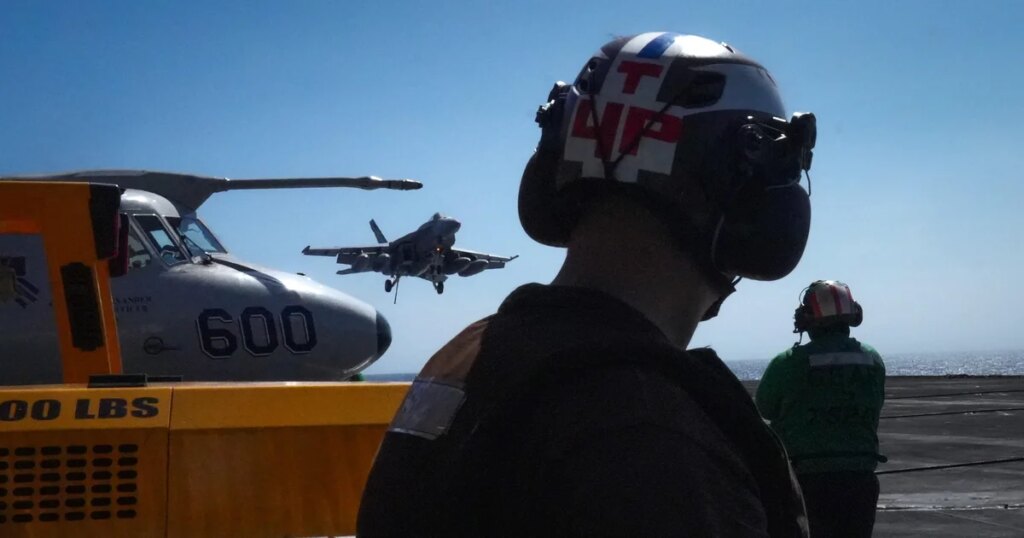
Furthermore, military responses have escalated in the wake of the proposed changes. U.S. naval deployments in the region are indicative of an ongoing commitment to counter potential threats posed by Iranian shipping policies. The Trump administration had previously taken a strong stance against Iran’s maritime activities, suggesting that the international community may need to remain vigilant regarding any moves by Iran to enforce the proposed maritime regulations.
Historical Context of Strait of Hormuz Tensions
The Strait of Hormuz has long been a flashpoint for tension between Iran and other nations. Historically, Iran has asserted its claims over the strait as a vital national interest, often citing threats to its sovereignty and security from perceived aggressors in the region. The current political climate, marked by strained relations with the U.S. and allies, has seen a rise in confrontations at sea, including incidents involving ships accused of bypassing Iranian regulations.
Since the escalation of military actions in the region, including targeted attacks on oil tankers attributed to Iranian forces, the flow of maritime traffic and oil exports from the Gulf has been significantly impacted. Companies operating in this sector are wary of the risks involved, prompting a reevaluation of operational strategies to avoid potential confrontations with Iranian naval forces. The history of such tensions adds a layer of complexity to the current legislative proposals affecting the Strait of Hormuz.
| No. | Key Points |
|---|---|
| 1 | Iran’s parliament has proposed legislation to control the Strait of Hormuz and charge fees to commercial vessels. |
| 2 | The bill would prohibit vessels from countries deemed hostile from passing through the strait. |
| 3 | Ships from non-hostile countries must seek permission from Iranian military authorities. |
| 4 | The proposed legislation is subject to parliamentary debate and requires approval from the Guardian Council. |
| 5 | Tensions in the region have historically been high, affecting global oil supplies and maritime security. |
Summary
In summary, Iran’s push for increased control over the Strait of Hormuz through the proposed legislation highlights the strategic significance of this vital waterway within global trade. The scrutiny and opposition anticipated from international powers may influence the eventual implementation of this bill and underscore the geopolitical tensions that continue to shape maritime policies in the region. The implications for global shipping, oil trade, and regional security remain profound and complex, inviting ongoing attention from international relations experts observers.
Frequently Asked Questions
Question: What is the primary objective of the proposed Iranian bill regarding the Strait of Hormuz?
The bill aims to establish Iranian control over the Strait of Hormuz, including the imposition of fees on commercial vessels to support national interests and security.
Question: How would the legislation impact shipping for non-hostile countries?
Non-hostile vessels would require authorization from Iran’s General Staff of the Armed Forces to transit, which could complicate shipping routes and schedules.
Question: What are the potential legal challenges surrounding the proposed legislation?
The bill may face challenges based on international maritime law, particularly regarding the right to free passage in international waters as outlined by the United Nations Convention on the Law of the Sea.