
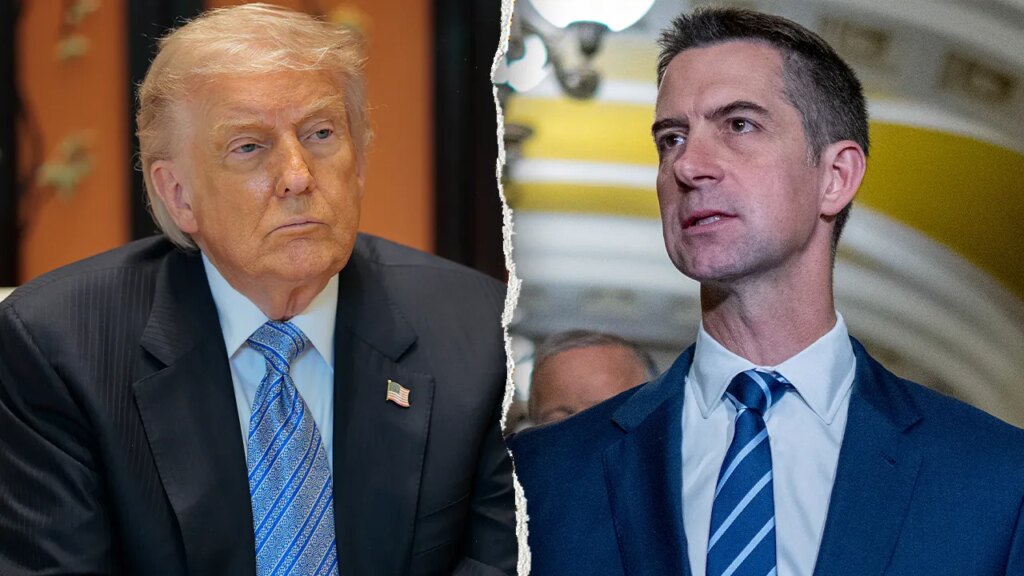
Former President Donald Trump has stirred controversy by seemingly sharing the personal phone number of Senator Tom Cotton as part of his campaign to promote the “Sunshine Protection Act,” a bill aimed at making daylight saving time permanent. In a post on Truth Social, Trump criticized Cotton for preventing the bill from reaching a vote, urging Arkansas residents to contact their senator and advocate for its passage. This incident highlights ongoing tensions among lawmakers regarding daylight saving time and a related bill that has received bipartisan support in the House but faces uncertainty in the Senate.
| Article Subheadings |
|---|
| 1) Trump’s Call for Action on Daylight Saving Time |
| 2) The Controversy Unfolds: Sharing Personal Information |
| 3) Legislative Path of the Sunshine Protection Act |
| 4) Diverging Opinions on Daylight Saving Time |
| 5) Implications and Future of the Bill |
Trump’s Call for Action on Daylight Saving Time
In a recent post on the social media platform Truth Social, former President Donald Trump addressed the ongoing legislative struggle surrounding daylight saving time. He referred to Senator Tom Cotton as a “friend,” and expressed his frustration that Cotton was obstructing the “Sunshine Protection Act” from proceeding to a vote. Trump emphasized that the bill should easily gain bipartisan support and instead called for action from Arkansas citizens, encouraging them to contact Cotton directly. He indicated that such engagement could help push the legislation forward.
Trump has long been an advocate for ending the twice-yearly clock change that many find disruptive. He believes that making daylight saving time permanent would yield various societal benefits, including a decrease in crime rates and fewer traffic accidents. He called for immediate action on the matter and mentioned a significant electoral victory he had in Arkansas, pointing out his strong connection to the state.
The Controversy Unfolds: Sharing Personal Information
In a bold move, Trump appeared to share Cotton’s personal phone number in his post, urging constituents to reach out and demand progress on the legislation. This prompted significant backlash and raised ethical concerns regarding the disclosure of a public official’s private contact information. Trump had previously engaged in similar controversial behavior during his presidential campaign, where he shared the personal number of former Senator Lindsey Graham in 2015 after an unflattering remark.
Following the release of Cotton’s number, officials attempted to reach the senator through the number provided but were unable to establish contact. Critics argue that such disclosures could further erode trust in public officials and create a hostile environment for constructive political dialogue.
Legislative Path of the Sunshine Protection Act
The currently stalled “Sunshine Protection Act” has garnered considerable bipartisan support, especially after its passage through the House of Representatives, where it received a vote of 308 to 117. However, despite this strong backing, the legislation faces significant hurdles as it is now with a Senate committee, awaiting deliberation. Trump’s recent post comes at a time when the Senate is not in session until November 3, delaying any potential vote until after pending midterm elections.
The bill aims to end the shifting of clocks that occurs twice each year and has drawn attention for its wide-ranging implications. The House’s overwhelming support reflects growing public sentiment toward eliminating the biannual clock changes, which many people find disruptive and unnecessary. However, moving forward remains challenging, particularly when legislative priorities can quickly change as election deadlines approach.
Diverging Opinions on Daylight Saving Time
Opinions regarding daylight saving time are notably polarized, revealing a North-South divide among lawmakers. Supporters of the Sunshine Protection Act argue that permanent daylight saving time would benefit various aspects of societal living, including mental health, safety, and overall quality of life. Meanwhile, opponents raise concerns regarding the impacts of changing sunlight patterns, particularly in northern states where late sunrises in winter might affect school children and daily routines.
Senator Cotton himself has publicly stated his hesitance to support the ban on changing clocks, arguing that previous attempts to establish permanent daylight saving time led to “absurdly late sunrises in the winter,” which could pose challenges to families and children in Arkansas. This ongoing disagreement emphasizes the complexities behind the legislation and suggests that strong regional interests may hinder the bill’s advancement.
Implications and Future of the Bill
The implications of the Sunshine Protection Act extend beyond mere clock changes; they reflect broader conversations about legislative responsibility, communication between public officials, and citizen engagement. Trump’s public criticism of Cotton serves both as a strategic call to action and a demonstration of political influence over other lawmakers. However, it solidifies Cotton’s stand, who reiterated his commitment to prioritize the needs of Arkansans.
As the legislative session continues and elections approach, the fate of the Sunshine Protection Act remains uncertain. If supporters cannot navigate through the regional disagreements and political struggles, the bill may face significant delays if not a complete stall. Many advocates for permanent daylight saving time are closely watching how these dynamics unfold, reflecting deeper trends in American political discourse.
| No. | Key Points |
|---|---|
| 1 | Trump criticized Senator Cotton for blocking the “Sunshine Protection Act.” |
| 2 | He urged Arkansas voters to contact Cotton about supporting the bill. |
| 3 | The House passed the bill with bipartisan support, but it awaits Senate action. |
| 4 | Critics raise ethical concerns over Trump’s sharing of Cotton’s phone number. |
| 5 | Legislative dynamics reflect regional divisions on the issue of daylight saving time. |
Summary
The recent intervention by former President Trump in the daylight saving time debate showcases the intricate dynamics of congressional legislation and the role of public engagement in shaping policy. By publicly urging Arkansas voters to advocate for the “Sunshine Protection Act,” Trump solidifies not only his stance on the issue but also his influence within political spheres. As lawmakers continue to navigate this contentious topic, the future of the legislation hangs in the balance, heavily influenced by broader tensions and regional considerations.
Frequently Asked Questions
Question: What is the “Sunshine Protection Act”?
The “Sunshine Protection Act” is legislation aimed at making daylight saving time permanent, eliminating the need for biannual clock changes.
Question: Why did Trump criticize Senator Cotton?
Trump criticized Cotton for blocking the bill from reaching a Senate vote, urging constituents to contact Cotton for support.
Question: What are the potential benefits of making daylight saving time permanent?
Advocates argue that it could reduce crime rates, improve mental health, and provide more daylight for recreational activities, especially in the evening.